 By admin
 Millions rely on cassava, also known as yuca or manioc, as an essential staple food across the globe. It’s not just incredibly affordable and versatile; it’s also a powerhouse of energy. However, what many consumers shockingly overlook is that cassava can become highly toxic if not prepared with precision. That’s right—under specific circumstances, consuming this root can indeed be harmful, even fatally dangerous.
So, how does this common food turn into a potential threat, and more importantly, what crucial steps can you take to enjoy this widely loved root vegetable without any risk?
🌿 Unpacking Cassava: A Global Staple
Cassava, a remarkably starchy root vegetable, holds a significant place in the cuisines of Latin America, Africa, and Asia. Its culinary versatility is immense; it can be transformed into countless dishes, from being simply boiled, fried, or mashed, to being processed into flour, famously known as tapioca. The accompanying image beautifully illustrates peeled cassava pieces, perfectly prepped and awaiting their culinary journey.
The core of cassava’s danger lies in its natural composition. This root vegetable inherently harbors compounds known as cyanogenic glycosides. When these compounds are ingested, they possess the alarming ability to release cyanide within the body.
It’s important to recognize that not all cassava is created equal; it primarily comes in two distinct varieties:
- Sweet cassava – This variety contains comparatively lower concentrations of these toxic compounds, though proper cooking remains absolutely essential.
- Bitter cassava – This type carries significantly higher levels of toxins and therefore demands rigorous and meticulous processing to render it safe for consumption.
Should cassava be consumed raw or inadequately cooked, these potent toxins can trigger a range of distressing symptoms, including:
- Unpleasant nausea and bouts of vomiting
- Disorienting dizziness and lightheadedness
- Troubling breathing difficulties
- And in the most critical scenarios, leading to cyanide poisoning, which tragically can prove fatal.
Beyond immediate acute reactions, prolonged and consistent exposure to cassava that hasn’t been properly processed has also been scientifically connected to the development of serious neurological disorders.
✅ Master the Art: 5 Essential Steps to Safely Enjoy Cassava
The good news is, there’s absolutely no need to banish cassava from your diet! The key to unlocking its delicious potential without risk lies simply in understanding and applying the correct preparation techniques. Here’s how:
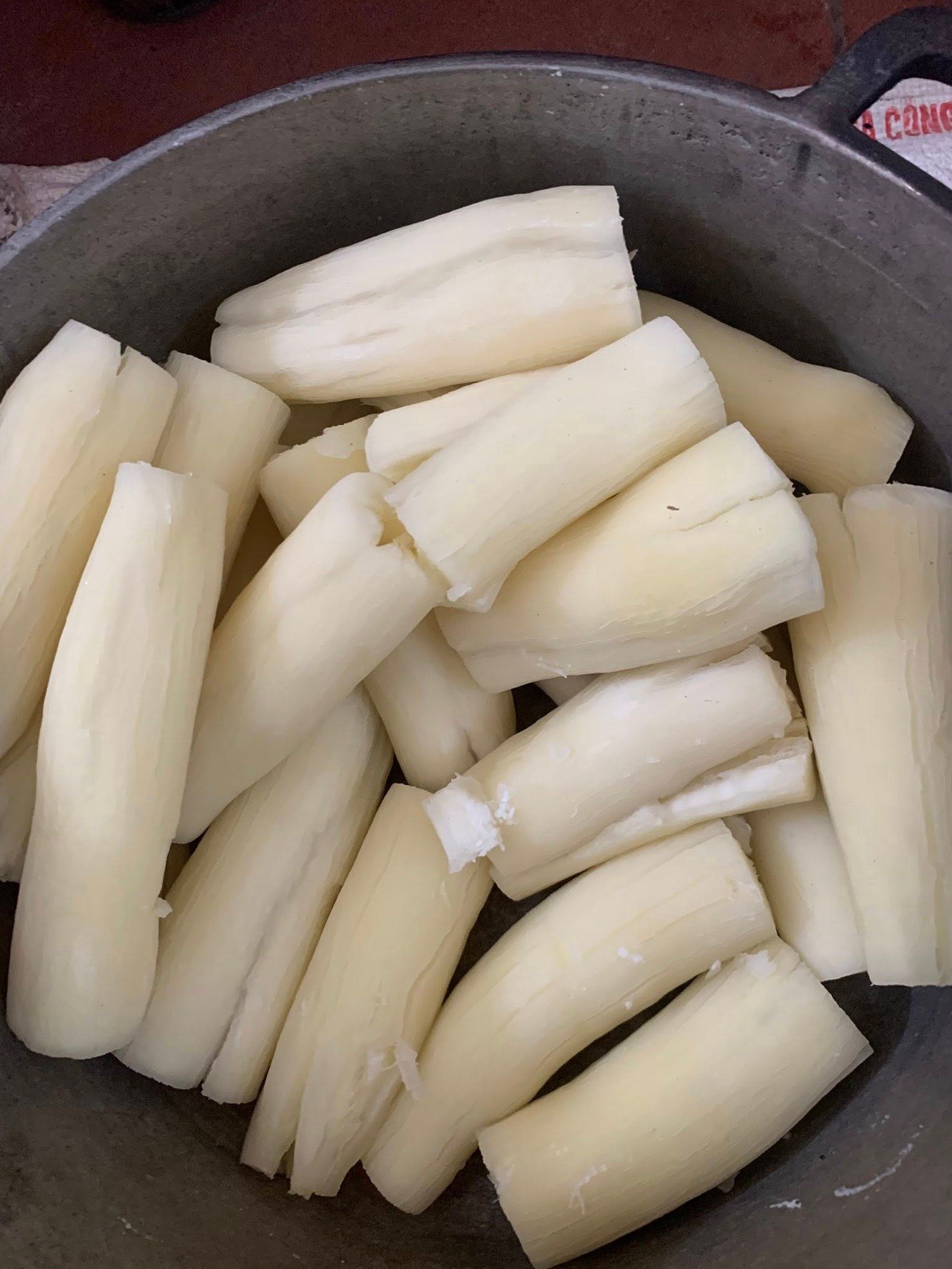
1. Peel It Meticulously
It’s critical to understand that the outermost skin of the cassava root harbors the most significant concentration of its toxic compounds. Therefore, ensure you remove every trace of the peel, leaving none behind.
2. Pre-Soak for Safety
After peeling, slice the cassava into manageable pieces and immerse them in water for a substantial period—ideally several hours, or even better, overnight. This crucial step actively works to leach out and significantly diminish the harmful cyanogenic compounds.
3. Thorough Cooking is Key
Under no circumstances should you consume cassava raw. Instead, subject it to thorough cooking methods such as boiling, baking, or frying until it achieves a consistently soft texture. Sufficient heat is absolutely vital as it effectively breaks down and neutralizes the remaining toxins, rendering the root safe to eat.
4. Never Ignore a Bitter Taste
Your taste buds are a critical safety indicator here. If, at any point, the cassava exhibits a bitter flavor, immediately discard it. A bitter taste is a strong signal that the root likely retains dangerously high levels of toxins.
5. Source from Reputable Vendors
Always purchase your cassava from established and reliable markets or vendors. This helps ensure that the root has undergone at least preliminary proper handling and processing before it reaches your kitchen, adding an extra layer of safety.
🥗 The Rewards: Unlocking Cassava’s Nutritional Powerhouse
Once you’ve mastered the safe preparation techniques, cassava transforms into a truly beneficial addition to your diet, offering:
- An excellent and readily available source of complex carbohydrates
- A naturally gluten-free option, perfect for those with sensitivities
- Abundant in essential vitamin C, supporting immune health
- A powerful and sustained energy booster to fuel your day
🌱 Your Safe Cassava Journey Begins Now
Ultimately, cassava stands as a truly nutritious and incredibly versatile culinary ingredient. However, much like a multitude of other natural foods, its full potential and safety are unlocked only through correct and mindful handling. Remember, the inherent risks associated with cassava don’t stem from the food itself, but rather from a lack of proper preparation.
By diligently adhering to these straightforward yet crucial safety steps, you can confidently and deliciously incorporate cassava into your diet, transforming it into a healthy and enjoyable staple without any fear.