 By admin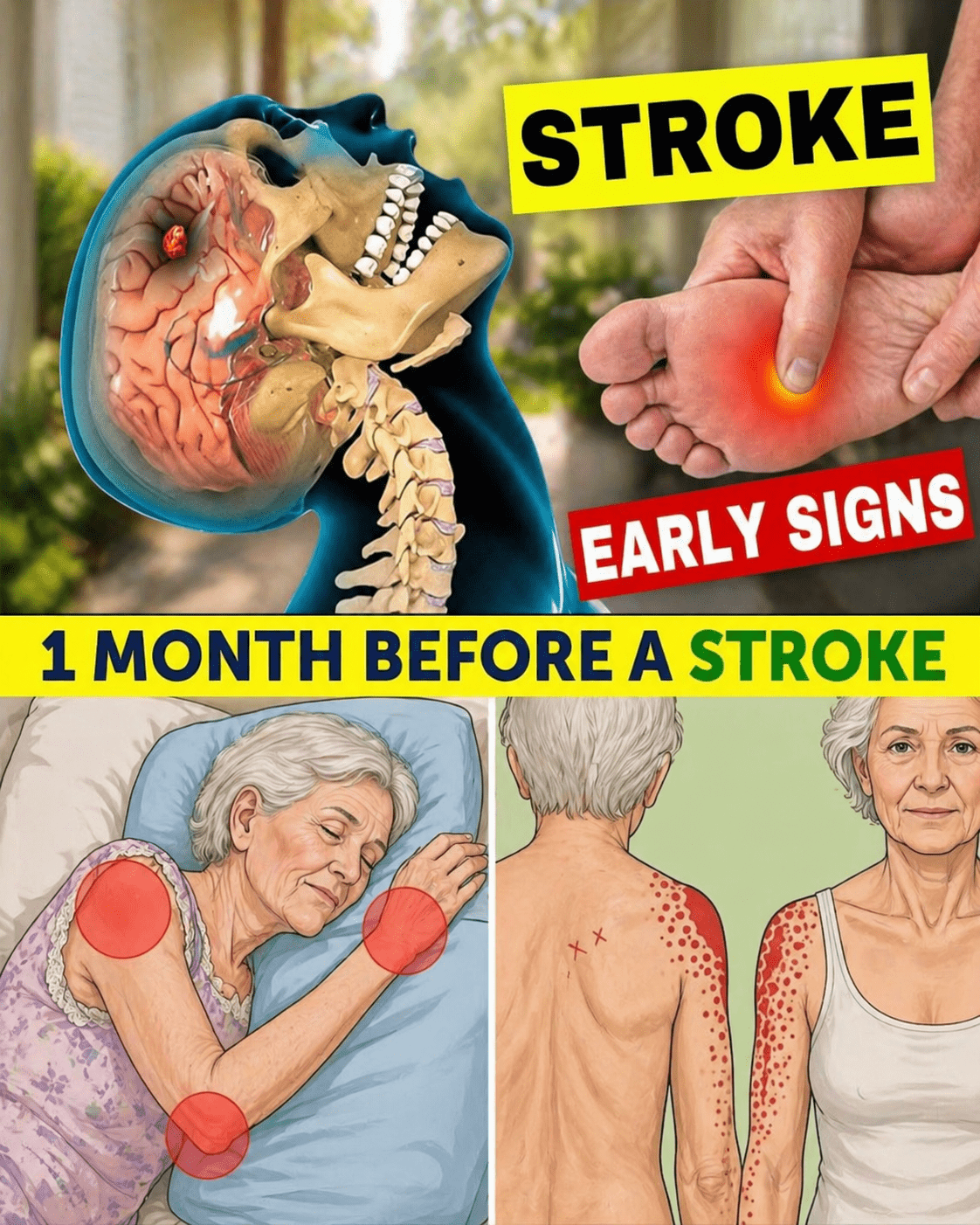
You might have seen images highlighting glowing red circles on joints, sudden foot pain, or mysterious skin rashes circulating online recently. While unexpected aches are frustrating, the surprising truth is that the real story behind these viral warnings is about something much quieter. It is about sudden numbness, unexpected heaviness, and hidden “mini-strokes” that can appear up to a full month before a major event. Recognizing these subtle shifts early could change everything. Below, you will discover the specific physical clues your body leaves, the critical difference between regular tiredness and a vascular warning, and a simple morning tracking habit that supports healthy blood flow. Interestingly, the most critical warning sign often does not involve pain at all—it involves the brief, temporary absence of feeling.

Stroke remains a leading concern for Americans over 60, largely because it feels like a sudden, unpredictable event that unexpectedly robs you of your independence, speech, and mobility. But your body rarely operates without warning. Medical researchers note that up to 80 percent of these events might be preventable if you know exactly what to listen for when your body starts whispering.

The most common whispers are Transient Ischemic Attacks, frequently referred to in doctors’ offices as “mini-strokes.” They happen when blood flow to a specific part of the brain is briefly blocked or restricted. The scary part is that the blockage usually clears on its own, and you might feel completely normal just a few minutes later. Thousands of seniors experience this temporary brain fog or physical heaviness, chalk it up to a bad night of sleep, stress, or dehydration, and go right back to their daily routine.

These warnings rarely look like the dramatic emergency room scenes we are used to seeing on television. They are quiet, fleeting, and incredibly easy to rationalize away. Watch for these specific combinations in your daily routine: a coffee cup feeling unusually heavy in one hand as if your grip simply gave out, a sudden “curtain” dropping over one eye causing blurred vision for just a few minutes, or stumbling when walking a perfectly flat, familiar hallway because the room suddenly started spinning.
If you notice any of these happening, your body is sending a direct and urgent signal. Other signs include sudden trouble speaking, where your sentences get unexpectedly jumbled or you simply cannot find the words to answer a basic question from a loved one. Some people experience a thunderclap headache, which is a severe, throbbing pain that strikes out of nowhere and is completely unlike a normal tension or allergy headache.

You might also feel sudden confusion, out-of-character irritability, or short-term memory fogs that make deciding what to eat for lunch feel overwhelmingly difficult. Even unexplained shortness of breath or a feeling of heavy pressure in your chest can be a precursor to a brain event, not just a heart issue. Finally, overwhelming fatigue that does not improve with a solid nap often gets blamed on natural aging, but when clustered with these other subtle signs, it paints a very different and important picture.
Your body is not playing tricks on you—it is actively asking for support. Because these symptoms often fade within 10 to 60 minutes, the greatest danger is falling into a false sense of security. You might naturally think the danger has passed. In reality, the body is showing you exactly what might happen permanently if the underlying circulation issue is not addressed. If you spot any of these warnings, treat it as a medical emergency immediately and call 911, even if you feel completely fine by the time you reach for the phone.
The good news is that taking back control of your long-term brain health does not require a complete, exhausting overhaul of your life. It starts with a few quiet, everyday choices that dramatically support your blood vessels and improve your overall circulation.
Movement is your first and most accessible line of defense. Aim for 150 minutes of moderate activity each week. This does not mean you need to join a crowded, intimidating gym; simply taking brisk, consistent daily walks around your neighborhood improves your circulation and sends a fresh, energizing supply of oxygen directly to your brain. You will likely feel an energy boost that carries you through the afternoon.
Next, look closely at what is on your dinner plate tonight. The Mediterranean style of eating is gaining massive attention in the senior wellness community for a reason. By consciously focusing on fresh fruits, crisp vegetables, hearty whole grains, and lean proteins while cutting back on hidden salt and highly processed packaged foods, you are actively giving your arteries the exact nutritional tools they need to stay flexible, wide, and clear.
Managing your invisible numbers is just as crucial for your vascular defense. Healthy blood pressure is often considered the absolute cornerstone of stroke prevention. Work closely with your doctor to keep your numbers below 130/80 mmHg if possible. Keeping your cholesterol in check, specifically lowering your LDL levels through fiber-rich foods, prevents dangerous plaque buildup on the vessel walls. For those managing diabetes, keeping blood sugar steady through diet and proper medication is vital, as wild sugar spikes can be incredibly damaging to delicate blood vessels over time.
Every single small habit counts toward your future. Limiting alcohol intake to a moderate level and quitting smoking for good are perhaps two of the most powerful, immediate gifts you can give your cardiovascular system. If you struggle with an irregular heartbeat, commonly known as atrial fibrillation, getting it addressed promptly with your healthcare team can stop dangerous clots before they ever have a chance to form.
You hold the immense power to protect your vitality, your cherished family moments, and your daily freedom. This is not just about preventing a medical event; it is about ensuring that your next twenty years are spent confidently enjoying your garden, playing with your grandchildren, and traveling without the heavy burden of fear. Start today. Take that extra ten-minute walk after dinner. Schedule the routine screening you have been putting off for months. When you listen closely to your body’s early whispers, you ensure it never has to shout.
P.S. Remember that simple morning tracking habit we mentioned earlier? It is measuring your blood pressure first thing in the morning, before you pour your coffee. Caffeine can temporarily spike your numbers, so taking your reading beforehand gives you the most accurate baseline to share with your doctor.
This article is for informational purposes only and does not replace professional medical advice. Please consult your healthcare provider for personalized guidance.