 By admin
 Ever caught a glimpse of tiny white spots on your arms or legs and wondered, ‘What are those?’ You’re not alone. These seemingly innocuous marks can spark a flurry of questions, and while often benign, they sometimes whisper secrets about your skin’s health. Dive in to uncover the most common reasons for their appearance, learn how to identify them, and explore the most effective treatment strategies recommended by dermatological experts.
Have You Noticed Small White Spots on Your Skin?
Seeing those tiny white spots emerge on your arms or legs can definitely catch you off guard, perhaps even sparking a little concern. It’s true that many of these marks are completely benign, yet in some instances, they might be hinting at deeper skin conditions that warrant a closer look. Getting a clear understanding of what these spots signify is absolutely crucial for deciding on the right approach to care.
1. Idiopathic Guttate Hypomelanosis (IGH)
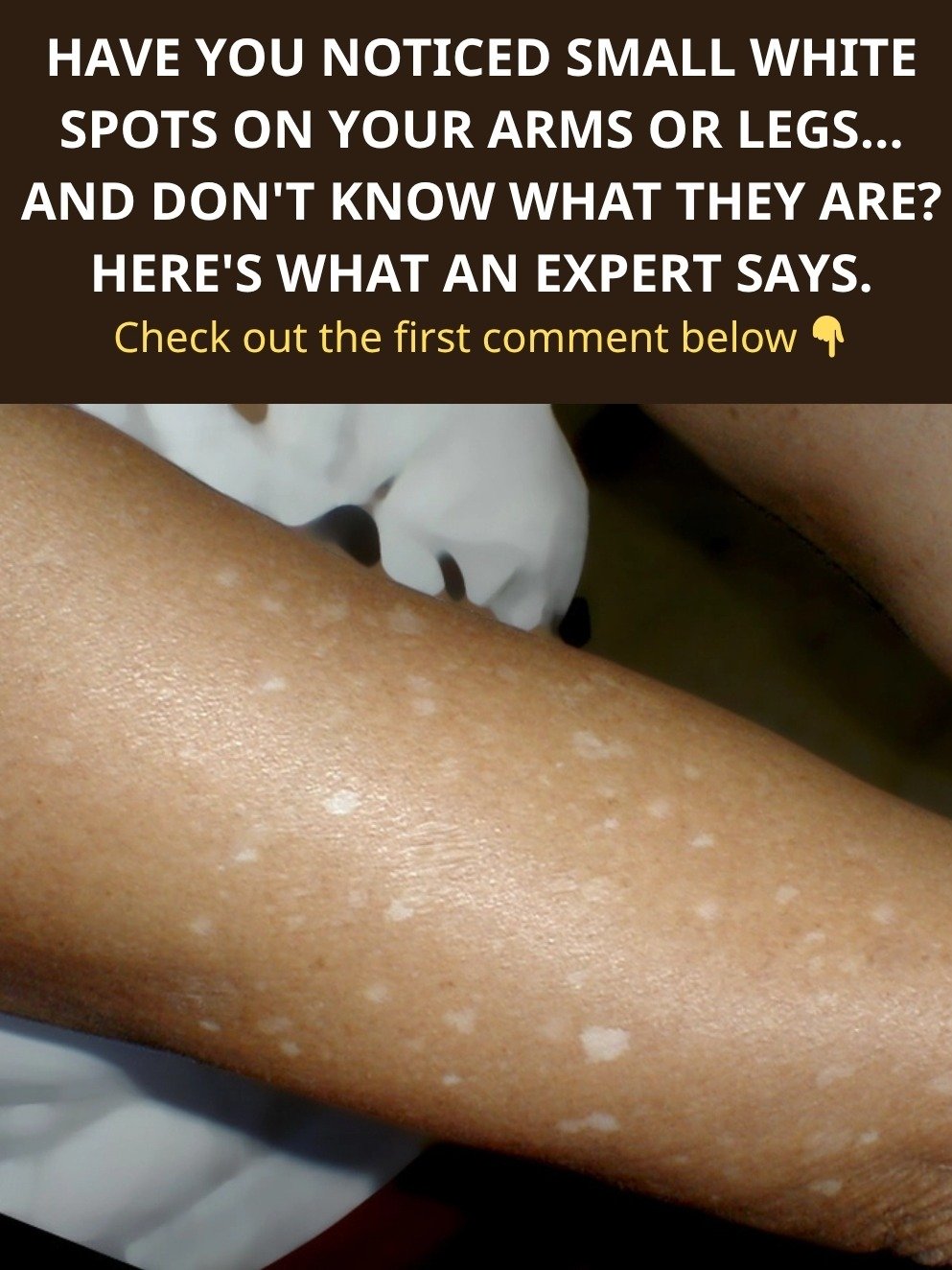
This condition stands out as one of the most frequent culprits behind small white spots, particularly affecting individuals once they reach their 40s and beyond.
- Appears as distinct, small, and flat white spots on the skin.
- Strongly associated with prolonged sun exposure and the natural aging process.
- Completely harmless and poses no risk of contagion to others.
2. Tinea Versicolor (Fungal Infection)
This refers to a common, gentle yeast infection that interferes with the skin’s natural pigmentation process.
- The spots can manifest in various shades, including white, subtle pink, or light brown.
- Commonly observed on the arms, chest, and back.
- Occasionally accompanied by a slight, irritating itch.
3. Vitiligo
Vitiligo is an autoimmune disorder characterized by the skin’s loss of pigment, resulting in distinct white patches.
- Characterized by sharply defined, stark white patches on the skin.
- These patches have the potential to gradually expand across the body.
- Always necessitates a thorough medical assessment for proper diagnosis and management.
4. Post-Inflammatory Hypopigmentation
It’s not uncommon for white spots to manifest on the skin after it has experienced irritation, inflammation, or a physical injury.
- Typically emerges in the aftermath of skin conditions like rashes, burns, or bouts of acne.
- In most instances, these spots are temporary and will eventually fade.
5. Nutritional Deficiencies
A lack of essential vitamins or minerals, such as vitamin B12 or calcium, can sometimes impact your skin’s natural pigmentation, leading to changes in tone.
Are These White Spots Dangerous?
The good news is that for the vast majority of people, those small white spots are completely harmless. Nevertheless, it’s wise to pay attention and seek professional advice if you observe any of the following:
- The spots begin to spread quickly or aggressively.
- You notice any alterations in their texture or feel.
- The spots cause ongoing itching, discomfort, or irritation.
Should any of these red flags appear, your best course of action is to schedule a consultation with a dermatologist for an accurate diagnosis and guidance.
How to Treat White Spots on Skin
Medical Treatments
- For conditions like tinea versicolor, your doctor might prescribe topical antifungal creams.
- In cases of vitiligo, treatments can include steroid creams or specialized light therapy.
- To promote skin cell turnover and renewal, prescription retinoids may be recommended.
Natural & Lifestyle Tips
- Shield your skin from harsh, prolonged sun exposure, especially during peak hours.
- Embrace a wholesome, balanced diet packed with essential vitamins and nutrients.
- Ensure your skin remains consistently clean and adequately moisturized.
Prevention Tips
- Make daily sunscreen application a non-negotiable part of your routine.
- Steer clear of abrasive or overly harsh skin care products that can cause irritation.
- Address any emerging skin infections promptly to prevent further complications.
- Prioritize staying well-hydrated and consistently fueling your body with nutritious foods.
When to See a Doctor
It’s always a good idea to consult with a healthcare professional or dermatologist if any of these situations apply:
- You notice the white spots are rapidly increasing in size.
- The spots begin to spread to previously unaffected areas of your body.
- You feel uncertain or concerned about the underlying cause of these spots.
Final Thoughts
Ultimately, discovering small white spots on your arms or legs rarely calls for panic, yet it’s equally important not to dismiss them entirely. Armed with accurate information and appropriate care, the vast majority of these skin concerns can be successfully managed. If you ever find yourself in doubt, a simple consultation with a qualified skin expert can provide invaluable peace of mind and guide you toward the most effective treatment strategy.