 By admin
 9 Natural Strategies to Alleviate Varicose Vein Discomfort and Boost Circulation
Varicose veins often manifest as a persistent feeling of heaviness and fatigue in your legs, transforming simple actions like standing or walking into unexpectedly arduous tasks. The visible, twisted, and bulging appearance of these veins can further exacerbate feelings of self-consciousness and frustration, impacting your daily mobility and even your confidence in wearing certain clothes. However, integrating some gentle, consistent daily practices can offer significant relief and promote more efficient blood flow throughout your lower limbs.
Understanding Varicose Veins: Causes and Impact
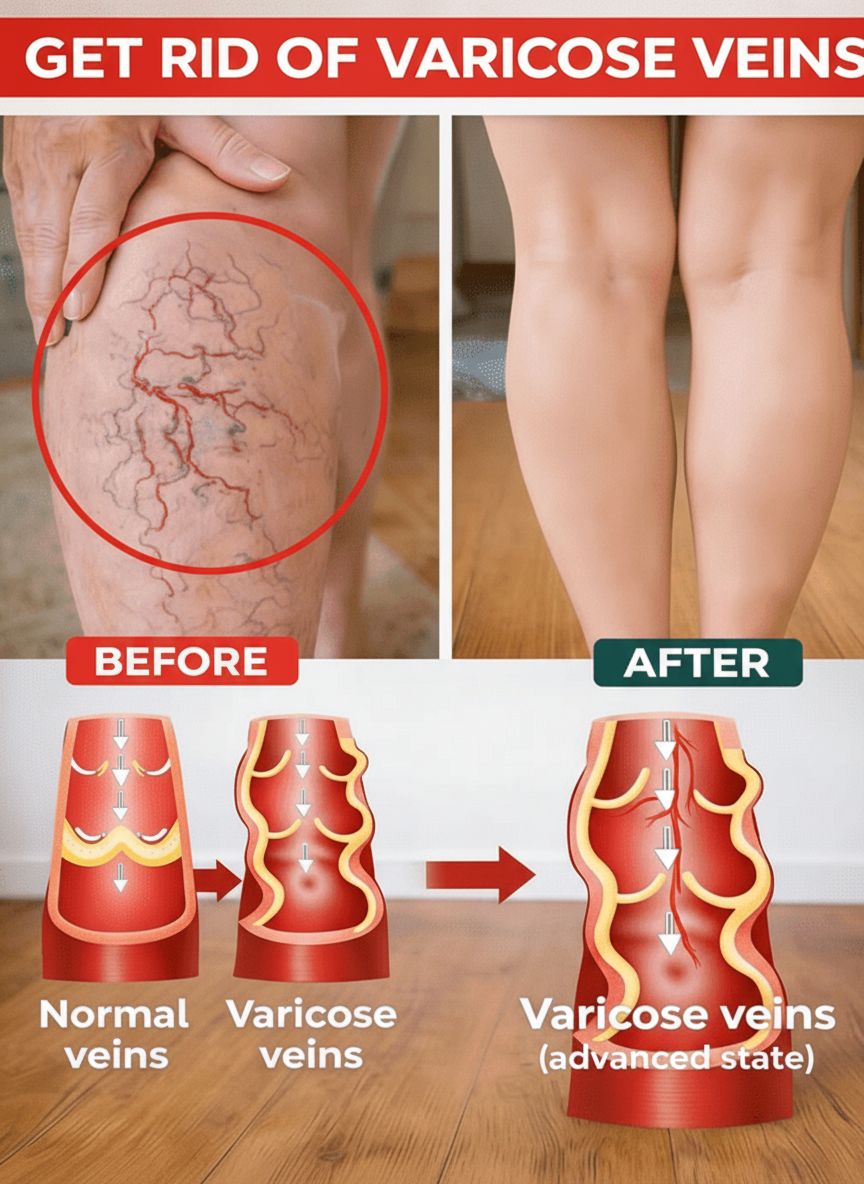
Varicose veins are essentially enlarged, gnarled veins most commonly observed on the legs. Their development typically stems from weakened or damaged valves within the veins. These crucial valves are responsible for ensuring blood flows unidirectionally back to the heart. When they falter, blood can pool and accumulate, leading to the characteristic swelling, discomfort, and a pervasive sense of fatigue in the affected regions. Several factors contribute to their emergence, including advancing age, genetic predispositions, pregnancy, and prolonged periods of standing or sitting. Insights from reputable bodies like the National Institutes of Health underscore the profound influence of lifestyle choices on overall vein health. Acknowledging these underlying mechanisms is key to exploring effective supportive strategies.
Now, let’s delve into practical, natural approaches you can adopt to foster better vein health.
9 Natural Strategies for Enhanced Varicose Vein Comfort
Below, we present a series of nine evidence-backed strategies that may significantly aid in alleviating symptoms and bolstering circulatory function. It is crucial to remember that these suggestions are complementary practices and should not replace professional medical advice or treatment.
1. Embrace Regular Low-Impact Physical Activity
Incorporating movement into your daily routine can be transformative for leg circulation. Activities such as brisk walking or swimming are particularly beneficial as they help propel blood through your veins without imposing excessive strain. Aim for a daily 30-minute walk, focusing on a pace that actively engages your calf muscles, which function as vital natural pumps for venous blood return. Research, including findings published in the Journal of Vascular Surgery, consistently indicates that consistent, moderate exercise significantly supports healthy venous function. Consider incorporating yoga poses that involve leg elevation for an additional circulatory boost. Even brief bursts of activity throughout the day contribute positively; prioritize consistency over intense, sporadic workouts.
2. Prioritize a High-Fiber Dietary Intake
A diet rich in fiber plays a crucial role in maintaining digestive regularity, which, in turn, indirectly supports vein health by mitigating pressure caused by constipation. Integrate fiber-rich options like oats, various beans, and an abundance of fresh vegetables into your meals. These foods also contribute to maintaining a healthy weight, thereby reducing the overall burden on your legs and circulatory system. According to nutritional guidelines from the American Heart Association, a high-fiber diet is instrumental in promoting comprehensive circulatory wellness. Enhance these benefits by pairing them with whole grains for sustained energy levels.
3. Incorporate Flavonoid-Rich Foods into Your Meals
Flavonoids are potent natural compounds found abundantly in fruits and vegetables, recognized for their potential to support blood vessel relaxation and improve blood flow. Excellent sources include vibrant berries, tart citrus fruits, and even dark chocolate (consumed in moderation). These compounds may help reduce blood pooling in the veins. A comprehensive review featured in the journal Nutrients emphasizes the positive impact of flavonoids on vascular health. Consider starting your day with a refreshing smoothie blending blueberries and oranges for a delicious and beneficial boost. Remember, even minor dietary adjustments can yield substantial long-term benefits for your vein health.
4. Maintain Optimal Hydration Throughout Your Day
Adequate water intake is fundamental for preventing blood from becoming overly viscous, ensuring smoother and more efficient circulation. Strive to consume at least eight glasses of water daily, increasing your intake if you lead an active lifestyle. Herbal teas, such as soothing ginger or calming chamomile, can also contribute to your fluid intake and offer additional anti-inflammatory properties. The National Library of Medicine highlights that proper hydration is essential for maintaining healthy blood viscosity. Focus on consistent sipping rather than consuming large quantities at once. A useful tip: infuse your water with lemon slices for a burst of flavor and a dose of Vitamin C.
5. Practice Regular Leg Elevation
Elevating your legs above heart level harnesses the power of gravity to facilitate blood return to the heart, which can significantly reduce swelling and discomfort. Aim to do this for 15-20 minutes several times a day, particularly after extended periods of standing or sitting. You can comfortably lie on the floor with your legs propped against a wall or elevated on pillows. Clinical studies, including those reviewed by the Cochrane Library, demonstrate that this simple practice can markedly improve venous return. Transform this into a relaxing ritual by enjoying a book or podcast during your elevation sessions.
6. Utilize Compression Stockings
Compression stockings are specially designed garments that apply gentle, graduated pressure to your legs, promoting upward blood flow and potentially alleviating discomfort and swelling associated with varicose veins. It is crucial to select graduated compression stockings, which exert stronger pressure at the ankles and progressively lighter pressure up the leg to effectively assist circulation. Wearing them throughout the day, especially if your job involves prolonged standing, can provide significant support. Research, such as studies published in the British Journal of Surgery, consistently supports the efficacy of compression therapy in managing symptoms of venous insufficiency and improving overall leg comfort.