 By admin
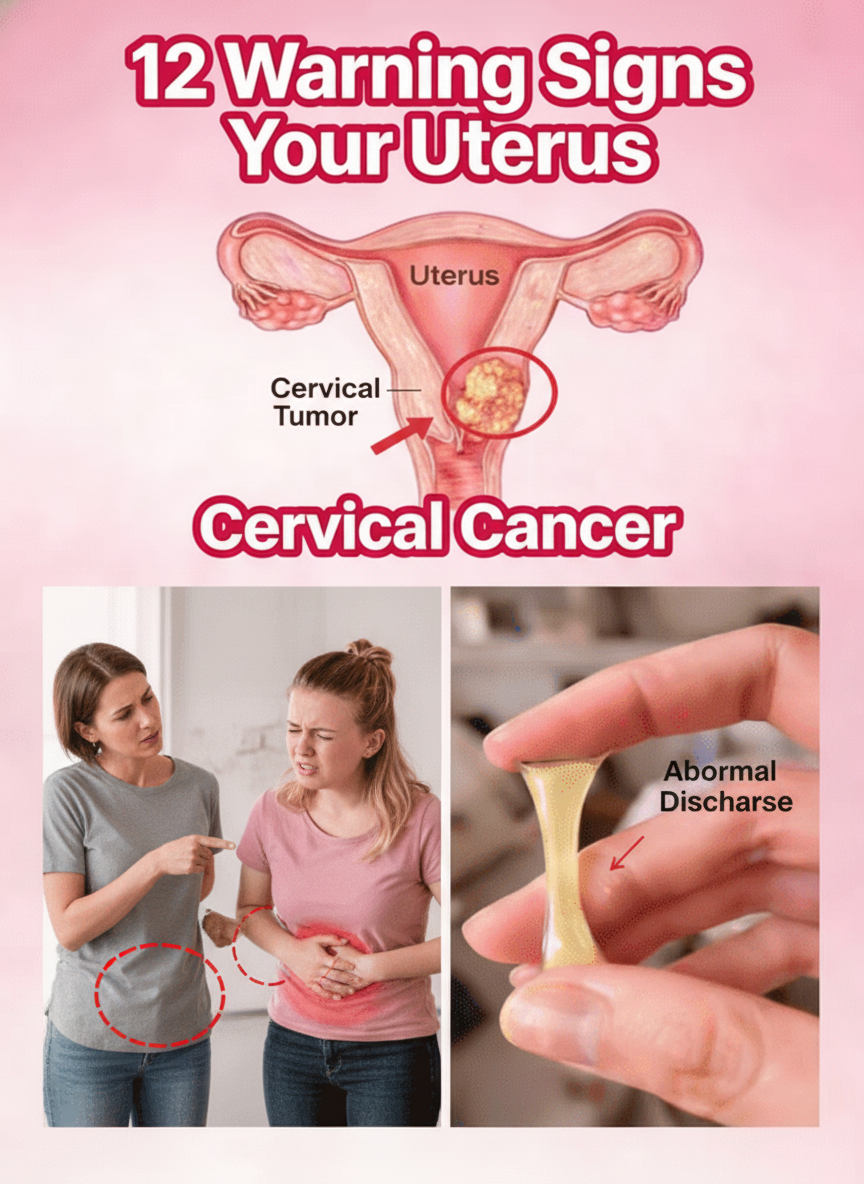
 12 Key Warning Signs of Uterine Health Issues Every Woman Should Know – When to Seek Medical Advice
Women often experience subtle bodily changes, from shifts in their menstrual cycle to unexplained discomfort, which can signal deeper uterine health concerns. Ignoring these indicators can lead to persistent fatigue and emotional distress, impacting daily life. However, recognizing these signs early is crucial for taking proactive steps towards optimal well-being. This article will guide you through these vital indicators, and later, reveal a simple yet powerful habit essential for maintaining your reproductive health.
Understanding Uterine Health Basics
The uterus is fundamental to women’s reproductive health, essential for menstruation, pregnancy, and regulating hormonal balance. Various conditions, including fibroids, endometriosis, and polyps, can affect this vital organ, often influenced by genetics, hormones, or lifestyle choices. The key to effective management lies in early detection. Data from reputable organizations such as the Centers for Disease Control and Prevention (CDC) confirms that uterine conditions are prevalent, affecting millions of women each year. Being well-informed empowers you to distinguish between typical bodily fluctuations and symptoms that warrant a conversation with your healthcare provider.
Recognizing the 12 Warning Signs of Uterine Health Issues
To help you stay vigilant about your well-being, we’ve compiled a list of 12 common warning signs that could indicate underlying uterine health issues. It’s important to remember that this information serves as a general guide and should never replace personalized medical advice from a qualified healthcare professional.
1. Abnormal Vaginal Bleeding Between Periods
Experiencing spotting or bleeding outside of your expected menstrual cycle can be alarming. This type of irregular bleeding may signal hormonal imbalances or the presence of uterine growths like polyps or fibroids. Research suggests that up to 30% of women encounter irregular bleeding at some point in their lives. If you notice persistent intermenstrual bleeding, carefully document its patterns and discuss them with your doctor for an accurate diagnosis.
2. Heavy or Prolonged Menstrual Periods
Menstrual periods that extend beyond seven days or necessitate very frequent changes of sanitary products (pads, tampons, or cups) are significant indicators of potential uterine issues. Conditions such as uterine fibroids or adenomyosis, characterized by abnormal uterine tissue growth, are common culprits. The American College of Obstetricians and Gynecologists (ACOG) notes that excessive menstrual bleeding (menorrhagia) significantly disrupts the daily lives of many women. Monitoring your menstrual flow with a journal or a period-tracking app can provide valuable data for your healthcare provider.
3. Persistent Pelvic Pain or Pressure
A persistent ache or a sensation of subtle pressure in the lower abdominal and pelvic region should not be overlooked. This discomfort often intensifies during menstruation or physical activity and is a hallmark symptom of conditions like endometriosis, where uterine-like tissue grows outside the uterus. If this pain begins to disrupt your sleep, work, or daily routines, it’s crucial to seek medical evaluation.
4. Pain During Intercourse (Dyspareunia)
Experiencing discomfort or outright pain during sexual intercourse, medically termed dyspareunia, is a symptom that warrants attention. It can be associated with various factors, including the position of the uterus or inflammatory conditions affecting the reproductive organs. Research from institutions like the National Institutes of Health (NIH) connects dyspareunia to a range of gynecological issues. Open communication with your partner and a candid discussion with your doctor are essential for addressing this sensitive concern.
5. Chronic Lower Back Pain
Persistent aches in the lower back, particularly those that seem to originate from or radiate towards the pelvic area, can sometimes be a referred pain from uterine problems. This is often the case when enlarged uterine fibroids exert pressure on surrounding nerves and structures. A study published in the Journal of Women’s Health frequently identifies lower back pain as a common complaint among women with certain uterine conditions. While gentle stretches might offer temporary comfort, persistent back pain, especially if accompanied by other symptoms, necessitates a medical consultation.
6. Frequent Urination or Bladder Pressure
An increased urge to urinate, including waking up multiple times at night (nocturia), can be a sign that the uterus is exerting pressure on the bladder. According to data from the CDC, large uterine fibroids are a frequent cause of such bladder symptoms, leading to disruptions in daily routines and sleep quality. While monitoring fluid intake is helpful, it’s important to consult a doctor to rule out uterine-related causes and other potential issues.
7. Constipation or Painful Bowel Movements
Digestive disturbances, such as persistent constipation or discomfort during bowel movements, can sometimes be linked to uterine health. Conditions like endometriosis, where uterine-like tissue attaches to or grows on nearby organs like the intestines, are often contributors. Medical journals frequently highlight this connection. While increasing dietary fiber can offer symptomatic relief, investigating the underlying uterine cause is crucial for effective management.
8. Irregular Menstrual Cycles
Significant variations in menstrual cycle length, or cycles that are frequently missed, are strong indicators of hormonal imbalances impacting uterine function. Conditions such as Polycystic Ovary Syndrome (PCOS) or thyroid disorders are common underlying causes. The World Health Organization (WHO) indicates that irregular cycles affect approximately 14-25% of women globally. Consistently charting your menstrual cycles can help identify patterns over time, providing critical information, especially if you have fertility concerns.
9. Unusual Vaginal Discharge
Any noticeable changes in the color, odor, or consistency of your vaginal discharge should prompt further investigation. Discharge that becomes watery, foul-smelling, unusually thick, or particularly alarming, blood-tinged, could indicate an infection, inflammation, or even more serious uterine conditions like polyps or certain types of growths. It’s important to monitor these changes and discuss them with your healthcare provider.
10. Persistent Abdominal Bloating or Swelling
While occasional bloating is common, persistent abdominal distension or a feeling of fullness that doesn’t resolve could be a sign of an enlarged uterus or significant uterine growths, such as large fibroids. These can exert pressure and cause a noticeable swelling in the lower abdomen, distinct from typical digestive bloating. If this symptom is ongoing and unexplained, it warrants medical attention.
11. Unexplained Weight Gain or Loss
Significant and unexplained changes in weight, whether gain or loss, can sometimes be linked to underlying hormonal imbalances that affect uterine health. While many factors contribute to weight fluctuations, if accompanied by other uterine symptoms, it’s worth considering a gynecological evaluation. For instance, conditions like PCOS can often lead to weight gain, while chronic illnesses might cause unintended weight loss.
12. Persistent Fatigue and Low Energy
Feeling constantly tired, even after adequate rest, can be a symptom of various health issues, including those related to the uterus. Heavy menstrual bleeding, for example, can lead to iron-deficiency anemia, resulting in profound fatigue and weakness. Chronic pain from conditions like endometriosis can also deplete energy levels. If persistent fatigue accompanies other uterine warning signs, it’s an important signal to discuss with your doctor.
Taking Control of Your Uterine Health
Recognizing these 12 warning signs is the first crucial step towards safeguarding your uterine health. While many of these symptoms can be attributed to less serious causes, their persistence or combination warrants professional evaluation. The “often-overlooked habit” that can truly make a difference in maintaining your reproductive health is consistent engagement with your healthcare provider. Regular gynecological check-ups, open communication about any changes you notice, and proactive discussions about your concerns are invaluable.
Don’t hesitate to seek medical advice if any of these symptoms resonate with your experience. Early diagnosis often leads to more straightforward and effective treatment options, empowering you to live a healthier, more comfortable life. Your well-being is paramount – listen to your body and act decisively.