 By admin
 What if the most vital organ for detoxing your body was silently struggling, and you had no idea? Your liver is a powerhouse, tirelessly filtering toxins, aiding digestion, and regulating countless bodily functions every single day. Yet, this incredible organ can face significant issues that develop slowly and stealthily, often without any clear signs until they become advanced.
Catching these crucial warning signs early could be your key to safeguarding your health and knowing precisely when to consult a medical professional.
Inside this article, we’ll unveil the most common indicators linked to liver stress, fatty liver disease, and various other liver-related ailments. Plus, we’ll equip you with actionable, natural lifestyle adjustments that can significantly bolster your liver’s overall well-being.
Why Your Liver is Indispensable
Operating tirelessly, your liver executes hundreds of critical functions around the clock, which include:
- Purifying your blood by removing harmful toxins
- Efficiently processing vital nutrients from the foods you consume
- Playing a crucial role in maintaining a healthy metabolism
- Synthesizing bile, essential for proper digestion
- Actively assisting in the regulation of both blood sugar and cholesterol levels
However, when this vital organ is overburdened or sustains damage, your body often starts to exhibit subtle, yet significant, indicators.
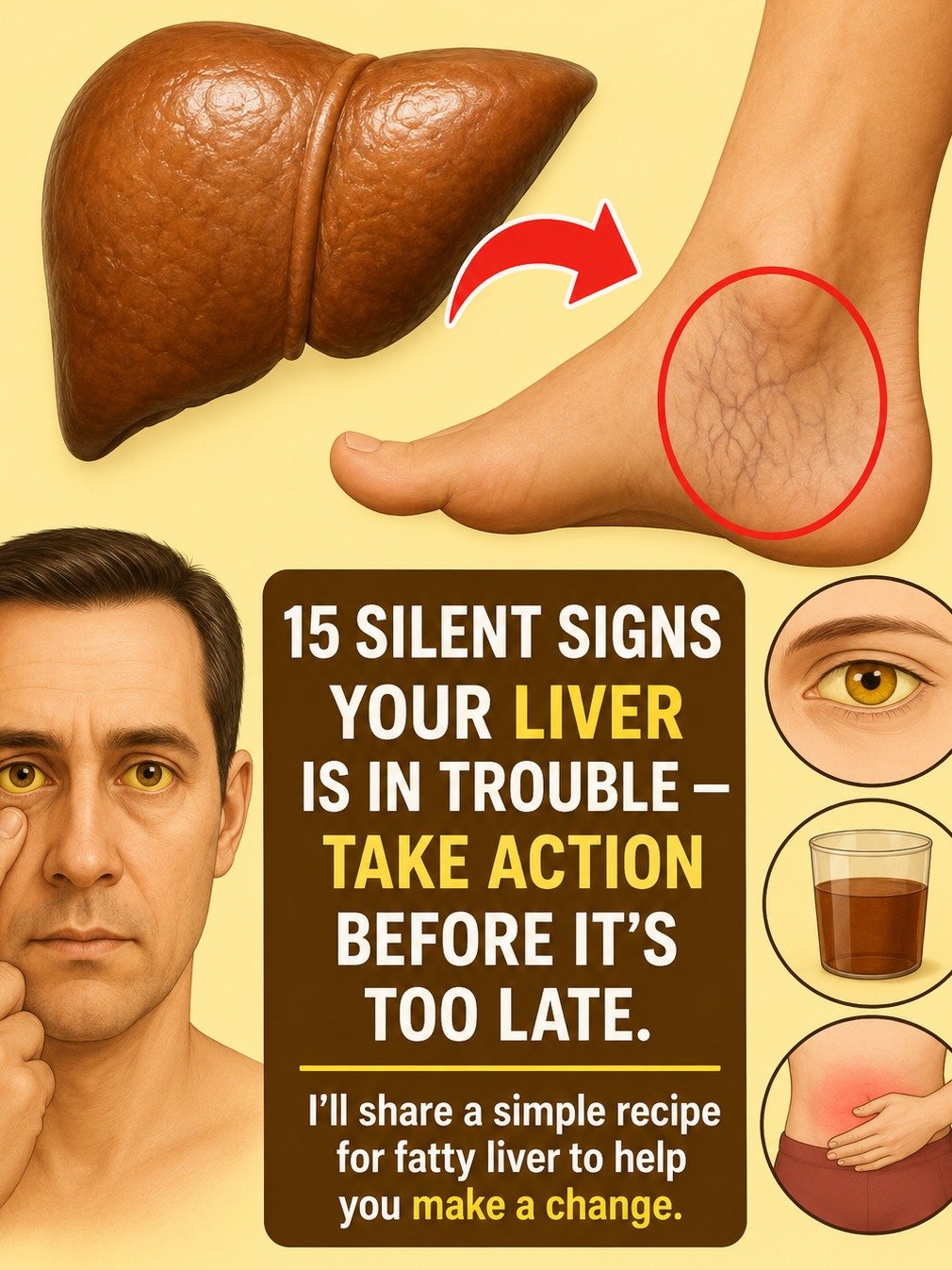
15 Silent Signals Your Liver is Secretly Struggling
1. Persistent, Unexplained Fatigue
If you’re constantly feeling drained and exhausted, even after getting ample rest, this unrelenting fatigue could sometimes point to compromised liver function.
2. Yellowish Tint in Eyes or Skin
A distinct yellowing of your eyes or skin, medically termed jaundice, often signals a buildup of bilirubin within your system, a common indicator of liver distress.
3. Noticeable Abdominal Swelling
Unusual fluid accumulation in your abdominal region, known as ascites, can sometimes be a serious symptom associated with more advanced liver conditions.
4. Unusually Dark Urine
If your urine consistently appears darker than normal, even when you’re well-hydrated, this could potentially serve as a critical early warning sign.
5. Persistent Digestive Distress
Experiencing frequent bloating, bouts of nausea, chronic indigestion, or general discomfort after eating meals might be your liver signaling that it’s under significant stress.
6. Unexplained Itchy Skin
Persistent, widespread itching that has no obvious dermatological cause can sometimes be a symptom related to underlying problems with bile flow from the liver.
7. Increased Tendency to Bruise
Your liver is crucial for producing proteins vital for blood clotting. Consequently, impaired liver function can make you bruise much more easily than usual.
8. Swelling in Your Lower Limbs (Legs or Ankles)
Noticeable swelling in the legs or ankles, often due to poor circulation and fluid retention, can sometimes be an indication of liver-related health complications.
9. Sudden Loss of Appetite
A significant and sudden reduction in your desire to eat, or unexplained weight loss without trying, should always be taken seriously and investigated.
10. Brain Fog and Difficulty Concentrating
Struggling with focus, experiencing mental fogginess, or feeling generally confused can, in certain instances, be attributed to the accumulation of toxins in your body due to a struggling liver.
11. Persistent, Unpleasant Breath
Individuals experiencing liver issues might suffer from chronic bad breath, often characterized by a distinctively strong or unusual odor that doesn’t resolve with typical oral hygiene.
12. Redness on the Palms of Your Hands
An unusual redness appearing on the palms of your hands (palmar erythema) can sometimes be linked to hormonal and circulatory shifts associated with liver disease.
13. Appearance of Spider Veins on Skin
The presence of tiny, spider-like blood vessels, particularly noticeable on the legs or upper body, can emerge when your liver’s normal function is compromised.
14. Noticeable Hormonal Imbalances
Since the liver plays a critical role in metabolizing and regulating hormones, its dysfunction can contribute to various hormonal fluctuations and imbalances in certain individuals.
15. Pain or Discomfort in the Upper Right Abdominal Area
Experiencing dull or sharp discomfort just beneath your ribs on the right side of your abdomen might occasionally be a direct signal of liver inflammation or enlargement.
Understanding the Root Causes of Liver Issues
A range of factors, both related to lifestyle and overall health, can significantly impact your liver’s ability to function optimally. These often include:
- Overindulgence in alcohol
- A diet high in processed foods and excessive sugar
- The presence of obesity and non-alcoholic fatty liver disease
- Contracting viral infections, such as various forms of hepatitis
- The side effects of specific medications
- Leading a largely inactive, sedentary lifestyle
Simple, Natural Habits to Supercharge Your Liver Health
While there’s no magic natural fix to instantly “cure” liver disease, adopting healthy daily habits can profoundly contribute to your liver’s long-term vitality and overall wellness.
Prioritize a Nutrient-Rich, Balanced Diet
Make these foods the cornerstone of your meals:
✔ Abundant fresh vegetables and fruits
✔ Wholesome, unprocessed whole grains
✔ Quality lean protein sources
✔ Essential healthy fats
Strive to minimize or eliminate:
✘ Excessive added sugars
✘ Deep-fried and greasy foods
✘ Heavily processed, ready-made meals
Maintain Optimal Hydration
Consuming enough water is crucial as it assists your body in its natural waste elimination processes and ensures robust metabolic function, both vital for liver health.
Incorporate Regular Physical Activity
Engaging in consistent physical exercise can play a significant role in lowering your risk of fatty liver disease and boosting your entire metabolic system’s health.
Strictly Limit or Avoid Alcohol
It’s critical to understand that excessive alcohol consumption stands as one of the primary global contributors to severe liver damage and disease.
Strive for a Healthy Body Weight
Carrying excess weight significantly elevates your susceptibility to developing non-alcoholic fatty liver disease (NAFLD), making weight management crucial.
Schedule Consistent Medical Checkups
Regular blood tests and comprehensive medical evaluations are indispensable tools for detecting potential liver problems at their earliest, most treatable stages.
A Crucial Medical Disclaimer
It’s vital to remember that many symptoms associated with liver issues can also stem from entirely different health conditions. This article serves purely for informational and educational purposes and should never be considered a replacement for personalized professional medical advice.
Should you notice any persistent symptoms or have any concerns about potential liver problems, it is absolutely essential to seek immediate consultation with a qualified healthcare professional for accurate diagnosis and appropriate treatment.
Empowering Final Thoughts
Your liver is undeniably a cornerstone of your overall well-being, tirelessly working to keep your body healthy, vibrant, and full of energy. By tuning into its subtle warning signals and consistently upholding healthy daily habits, you can significantly bolster your liver’s long-term health and function.
Embrace these small, impactful lifestyle changes today, and witness the monumental difference they can make for your health tomorrow.
✨ Nurture your liver — your entire body relies on its crucial work.
📌 Don’t keep this vital information to yourself! Share this article with your friends and family to help spread awareness about these often-overlooked silent liver warning signs.