 By admin
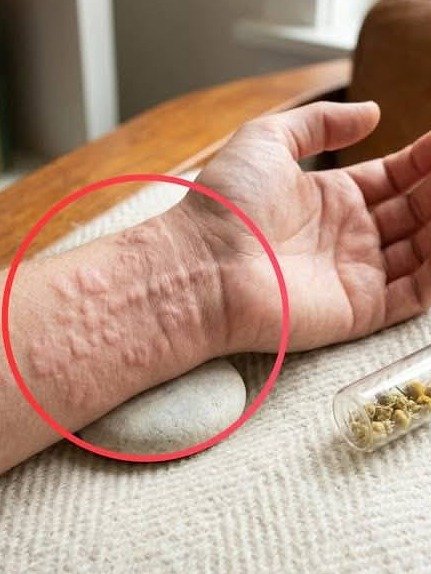
 Imagine waking up to an intensely itchy, red rash that seems to appear out of nowhere, only to vanish and then reappear somewhere else. This isn’t just a fleeting annoyance; it’s a common skin reaction known as urticaria, or hives, characterized by raised, irritating welts that can pop up anywhere on your body. These distinctive marks can be round, ring-shaped, or even merge into larger, uncomfortable patches, often intensifying with scratching.
At its core, urticaria is your body’s alarm system misfiring. It happens when specialized immune cells, called mast cells, release a flood of histamine and other potent chemicals directly into your bloodstream. This chemical surge causes the tiny blood vessels beneath your skin to dilate and leak fluid, resulting in the characteristic swelling and intense irritation you experience.
While it’s common for individual hives to fade away within a mere 24 hours, don’t be fooled by their fleeting nature. The underlying condition itself can stubbornly persist, with new welts emerging continuously over days, weeks, or even extend into months, creating a frustrating cycle.
The Unmistakable Signs: What Hives Really Feel Like
Although the exact presentation of urticaria can differ slightly from one individual to another, there are several tell-tale signs that most people experience:
- Intense itching
- Raised red or skin-colored welts
- Swelling under the skin (angioedema)
- Burning or stinging sensation
- Welts that move from one area of the body to another
- Flare-ups triggered by heat, scratching, stress, or allergens
Beyond the Surface: Understanding Angioedema
For some individuals battling hives, the discomfort can extend beyond the surface. They may also develop angioedema, a more profound swelling that occurs in the deeper layers of the skin, typically impacting areas such as:
- Lips
- Eyelids
- Tongue
- Hands
- Feet
- Inside the mouth
What sets angioedema apart from typical hives is its sensation; it often manifests as a painful pressure or burning rather than intense itching. Furthermore, this deeper swelling can linger for a longer duration before finally receding.
Unpacking Urticaria: The Different Forms of Hives
Acute Urticaria: The Short-Term Battle
Acute urticaria represents the most frequently encountered form of this skin condition. Its symptoms typically make a sudden, often startling, appearance but mercifully tend to resolve completely within a period of six weeks.
What Triggers Acute Hives? Key Culprits Revealed
1. The Allergy Connection
For many, acute hives are a direct response to specific foods or environmental allergens that provoke an immune system overreaction. Common triggers include:
- Peanuts
- Shellfish
- Eggs
- Milk
- Latex
- Insect stings
2. Medication-Induced Flare-Ups
Certain pharmaceutical agents are notorious for their potential to induce hives as an adverse reaction. These can include:
- Aspirin
- NSAIDs
- Penicillin and other antibiotics
3. The Role of Infections
Surprisingly, infections, particularly viral ones, often act as a significant trigger for acute hives, especially prevalent in younger populations. These infections can range from:
- Common cold
- Hepatitis
- Mononucleosis
4. Environmental Factors
Beyond internal reactions, various external environmental factors can also provoke frustrating hive flare-ups, such as:
- Heat
- Cold weather
- Emotional stress
- Sweating
The good news is that acute hives typically respond quite favorably to standard antihistamine treatments, with symptoms often showing significant improvement and resolving completely within a matter of days or weeks.
The Persistent Itch: Understanding Chronic Urticaria
When hives stubbornly refuse to disappear after six weeks, and instead make frequent, sometimes even daily, unwelcome returns, the condition is then classified as chronic urticaria.
This particular form of urticaria can be incredibly challenging and frustrating, largely because pinpointing the precise underlying cause often remains an elusive mystery.
Delving Deeper: Potential Causes of Chronic Hives
The Autoimmune Connection
A significant number of chronic urticaria cases are linked to autoimmune responses, where the body’s own immune system erroneously identifies healthy tissues as threats, launching an attack that results in the excessive release of histamine and subsequent hive formation.
Hidden Health Issues
Beyond autoimmune factors, persistent chronic hives can sometimes serve as a red flag, indicating an association with other underlying health conditions, including:
- Thyroid disease
- Lupus
- Rheumatoid arthritis
The Impact on Mental Well-being and Sleep
The relentless itching and unpredictable recurrence of chronic hive flare-ups can take a serious toll, profoundly disrupting various aspects of daily life and negatively impacting:
- Sleep quality
- Concentration
- Mental well-being
- Daily comfort
Navigating Treatment: Solutions for Chronic Hives
When faced with the challenge of chronic urticaria, healthcare professionals often explore a range of treatment strategies, which may include recommending:
- Higher-dose antihistamines
- Biologic medications such as omalizumab
- Immune-suppressing medications
- Lifestyle modifications
When Your Environment Attacks: Understanding Physical Urticaria
Physical urticaria is a fascinating and often perplexing subtype where hives are directly provoked by specific external stimuli interacting with the skin, rather than internal allergens or infections.
Dermographism: When Your Skin Writes Back
In this unique form, even a gentle scratch or slight pressure on the skin can result in distinct, raised, and intensely itchy red lines, almost as if you’re ‘writing’ on your skin.
The Chill Factor: Cold Urticaria
For those with cold urticaria, contact with cold elements like chilly water, ice, or even brisk air can rapidly provoke an outbreak of hives. In severe instances, widespread exposure to cold water, such as swimming, can pose a serious danger, potentially leading to a systemic reaction.
Cholinergic Urticaria: The Heat-Induced Rash
Cholinergic urticaria emerges when an elevation in core body temperature acts as the trigger, often brought on by activities or situations such as:
- Exercise
- Hot showers
- Spicy foods
- Stress
Solar Urticaria: When Sunlight Is the Enemy
In a less common but impactful variant, solar urticaria, exposure to sunlight or even specific ultraviolet rays can surprisingly activate hive outbreaks on the skin.
Delayed Pressure Urticaria: The Lingering Impact
Unlike immediate reactions, delayed pressure urticaria causes painful, swollen welts that only appear hours after sustained pressure from items like tight belts, heavy backpack straps, or even extended periods of sitting.
A Critical Warning: When Hives Demand Emergency Attention
While the vast majority of hive outbreaks are merely uncomfortable and not life-threatening, it’s absolutely crucial to recognize that certain accompanying symptoms signal a medical emergency, requiring immediate and urgent care.
Do not hesitate to seek immediate medical attention if your hives are coupled with any of the following alarming signs:
- Difficulty breathing
- Swelling of the throat or tongue
- Chest tightness
- Dizziness
- Fainting
These critical symptoms are potential indicators of anaphylaxis, an extremely severe and rapid allergic reaction that can swiftly become life-threatening if not addressed with immediate medical intervention.
Solving the Mystery: How Doctors Uncover Hive Triggers
Pinpointing the exact cause of chronic hives can often feel like a complex detective mission, requiring patience and meticulous observation. To aid in this process, doctors frequently advise patients to maintain a detailed symptom diary, diligently recording aspects such as:
- Foods eaten
- Medications taken
- Stress levels
- Activities
- Weather exposure
- Timing of outbreaks
This comprehensive record provides invaluable clues, often proving instrumental in helping healthcare providers uncover subtle or hidden triggers that might otherwise go unnoticed.
Beyond Medicine: Practical Lifestyle Tips to Soothe Hives
Incorporating a few straightforward daily habits into your routine can significantly contribute to calming irritated skin and actively working to minimize the frequency and intensity of hive outbreaks.
Simple Habits for Soothing Your Skin:
- Wear loose, breathable clothing
- Avoid harsh soaps and scented skincare products
- Keep the skin cool
- Use cold compresses for itching
- Reduce emotional stress
- Avoid known trigger foods or medications
Coping and Thriving: Navigating Life with Chronic Urticaria
Grappling with chronic urticaria can undoubtedly be an exhausting and deeply frustrating experience, particularly when symptoms unpredictably reappear. Yet, there’s immense hope: countless individuals successfully gain control over their condition once they diligently work to identify their specific triggers and collaborate with medical professionals to establish an effective, personalized treatment plan.
For parents, if your child’s hives show no signs of improvement, continue to worsen, disrupt their sleep patterns, or, critically, if they are accompanied by any swelling or difficulties with breathing, it is paramount to seek immediate consultation with a healthcare professional for a thorough evaluation and appropriate medical intervention.
Your Path to Relief: Final Insights on Urticaria
While the appearance of urticaria can certainly be alarming, gaining a comprehensive understanding of its various types and the specific triggers behind them can transform a daunting condition into a manageable one. Regardless of whether your symptoms stem from allergies, infections, stress, or environmental factors, proactive early management combined with expert medical guidance holds the key to significantly enhancing your overall quality of life.
It’s a crucial takeaway: persistent or worsening hives should never be dismissed, particularly if they linger beyond six weeks or manifest with concerning swelling in areas like the face, lips, or throat. Fortunately, with a tailored approach to care, the vast majority of individuals can effectively minimize flare-ups and reclaim a comfortable, itch-free existence in their everyday lives.