 By admin
 That innocent combination of heat, sweat, tight clothing, and limited airflow is actually a silent architect, crafting the ideal breeding ground for fungal infections. These irritating invaders silently impact millions globally each year, yet a surprising number of people fail to spot the initial warning signs until the discomfort becomes impossible to ignore.
But here’s a crucial piece of information: the vast majority of fungal infections are not only widespread but also highly treatable and, even better, frequently avoidable through straightforward hygiene practices and smart lifestyle choices.
Within this essential guide, we’re going to dive deep into the most prevalent fungal infections affecting both men and women, uncover their tell-tale symptoms, and arm you with effective strategies to drastically lower your personal risk.
What Are Fungal Infections?
Essentially, fungal infections develop when specific fungi begin to multiply uncontrollably on the surface of the skin or within internal bodily systems. These microscopic organisms absolutely flourish in conditions that are both warm and moist, which explains why they frequently emerge in regions like:
-
Skin folds
-
Groin area
-
Feet and toes
-
Underarms
-
Scalp
-
Nails
While it’s true that numerous types of fungi coexist harmlessly on our skin, specific environmental conditions can trigger them to proliferate at an alarming rate, leading to bothersome infections.
Common Causes of Fungal Infections
A variety of routine habits and prevailing environmental elements can significantly elevate your susceptibility to unwanted fungal proliferation.
1. Excessive Sweat
Perspiring skin creates the perfect damp habitat that fungi adore. This condition frequently arises during:
-
Hot weather
-
Intense exercise
-
Wearing non-breathable fabrics
2. Tight Clothing
Garments that fit snugly restrict vital air circulation and effectively trap moisture directly against your skin, particularly in sensitive zones such as:
-
Groin
-
Under breasts
-
Inner thighs
3. Poor Air Circulation
Lingering in humid surroundings or remaining in wet garments for extended durations actively promotes and accelerates fungal development.
4. Weakened Immune System
Those whose immune systems are compromised or weakened often find themselves considerably more susceptible to experiencing persistent or recurring fungal infections.
5. Sharing Personal Items
Personal belongings like towels, socks, footwear, and razors serve as common vectors, easily transmitting fungi from one person to another.
Common Types of Fungal Infections
1. Ringworm (Tinea Corporis)
Contrary to what its name suggests, ringworm is definitively not caused by parasitic worms. Instead, it’s a fungal infection that manifests as a distinctive circular red rash, typically featuring an elevated, scaly edge.
Watch out for these common symptoms:
-
Round or ring-shaped rash
-
Redness and itching
-
Dry, scaly skin
-
Expanding circular patches
This characteristic rash can emerge on various body parts, including the arms, legs, chest, or back.
2. Athlete’s Foot
Athlete’s foot predominantly impacts individuals who frequently wear constricting footwear for prolonged durations.
Key indicators often involve:
-
Cracked skin between toes
-
Burning or itching
-
Peeling skin
-
Unpleasant odor
3. Jock Itch
This particular fungal infection commonly manifests in the groin region, proving especially prevalent among athletes and those who experience profuse sweating.
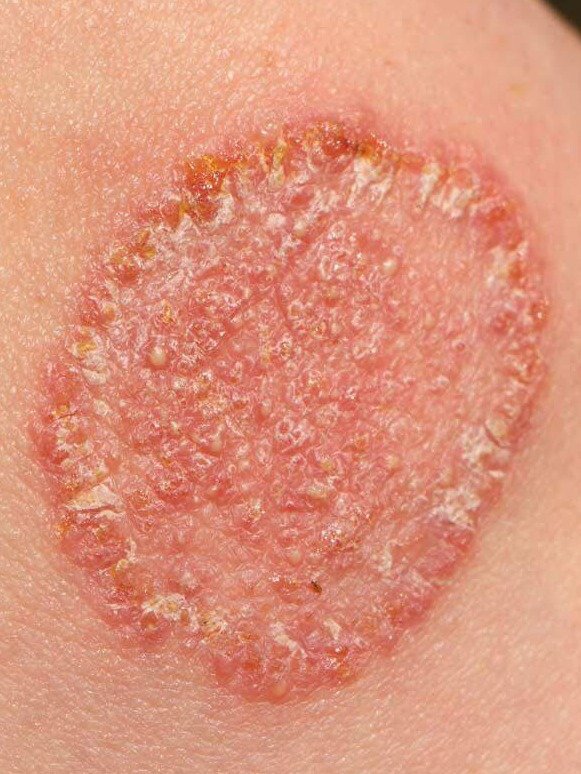
You might experience symptoms such as:
-
Red rash in the inner thighs
-
Itching or burning sensation
-
Flaky or peeling skin
4. Yeast Infections
While frequently associated with women, yeast infections are capable of affecting both men and women, though discussions around them typically center on female health.
The specific symptoms can differ based on the affected body part, but generally, they might encompass:
-
Irritation
-
Redness
-
Thick discharge (in vaginal infections)
-
Itching and discomfort
Risk Factors That Increase Infection
Several underlying conditions and external factors significantly elevate the probability of developing fungal infections:
-
Hot and humid climates
-
Diabetes
-
Obesity
-
Wearing damp clothes
-
Using antibiotics frequently
-
Poor hygiene habits
Fortunately, the proactive steps you can take are surprisingly simple, with basic habits capable of dramatically decreasing your overall risk.
1. Keep Skin Dry
Following a bath, shower, or any period of sweating, make sure to meticulously dry your skin, paying particular attention to areas like between your toes and within skin folds.
2. Wear Breathable Clothing
Opt for natural fabrics such as cotton or advanced moisture-wicking materials, as these choices significantly enhance air circulation around your body.
3. Change Sweaty Clothes Quickly
Make it a priority to avoid lingering in damp workout attire or wet swimsuits for extended durations, as this creates a prime environment for fungi.
4. Avoid Sharing Personal Items
It’s crucial to refrain from sharing personal items such as:
-
Towels
-
Socks
-
Shoes
-
Razors
5. Maintain Good Hygiene
Consistent daily bathing and diligent skin care routines are fundamental in proactively preventing the unchecked proliferation of fungi.
When to See a Doctor
While a significant number of fungal infections are minor and resolve easily, seeking professional medical guidance becomes essential if:
-
The rash spreads quickly
-
Symptoms worsen or become painful
-
Over-the-counter treatments do not work
-
The infection keeps returning
Only a qualified healthcare professional can deliver an accurate diagnosis and prescribe the most suitable antifungal treatment tailored to your specific condition.
Final Thoughts
It’s undeniable that fungal infections are remarkably prevalent among both men and women, particularly thriving in warm and humid conditions. The cornerstone of effectively managing these conditions lies in prompt identification and consistent, excellent hygiene habits.
By diligently ensuring your skin remains clean, dry, and adequately ventilated, you possess the power to significantly diminish your risk of infection and cultivate genuinely healthy skin.
Understanding these risks and symptoms is the ultimate foundation for effective prevention.
👇 Dive in now to master early symptom recognition and implement straightforward strategies to safeguard your skin’s health.