 By admin
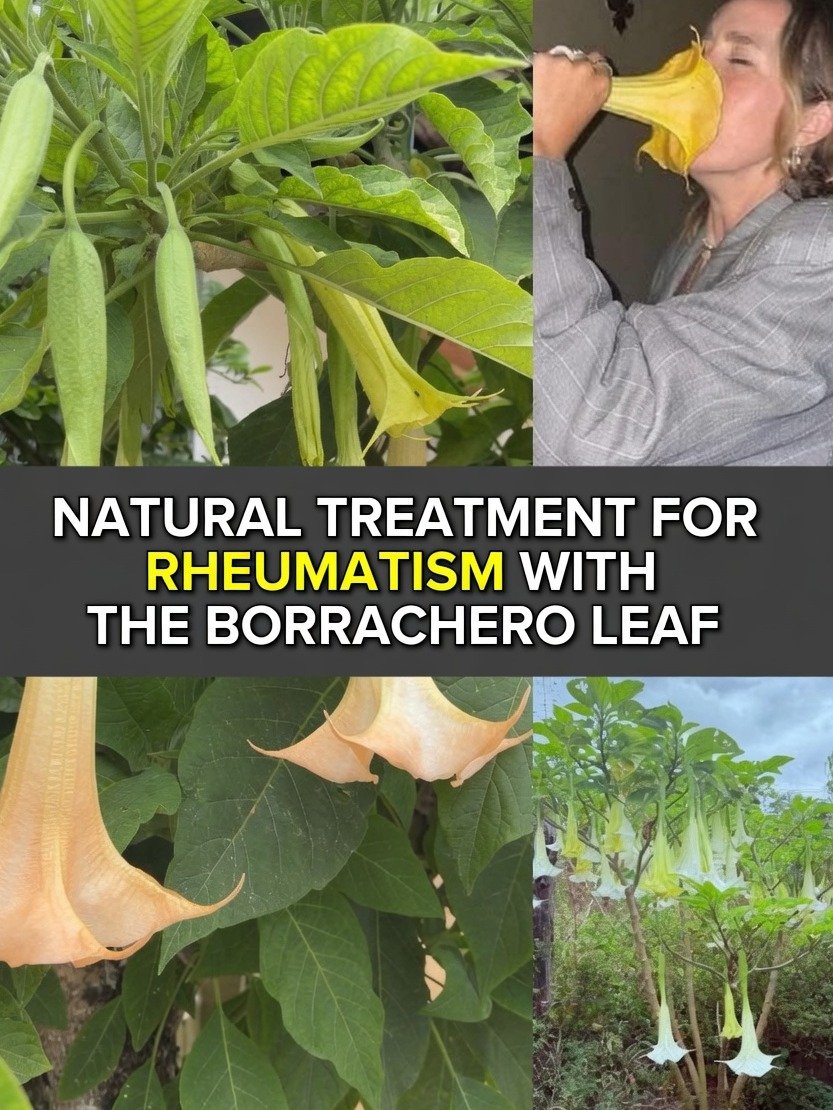
 Imagine a plant so breathtakingly beautiful, its giant, pendulous flowers could steal your gaze and fill your garden with an enchanting fragrance. This is the captivating allure of Brugmansia, famously known as Angel’s Trumpet – a plant that, despite its heavenly appearance, harbors a dark and dangerous secret. While admired globally for its stunning aesthetic, particularly in Latin America where it’s also called Borrachero, certain historical communities have also turned to its leaves for traditional external applications, believing they could provide relief for muscle and joint discomfort.
However, this seemingly angelic plant comes with a critical caveat: every part of Brugmansia is saturated with highly toxic compounds, presenting severe health risks that cannot be overstated. Health authorities and toxicology specialists worldwide issue stern warnings, urging extreme caution when interacting with this plant, as even unintentional contact or consumption can trigger life-threatening poisoning.
What Is Brugmansia?
Delving deeper, Brugmansia identifies as a distinct genus within the infamous nightshade family, Solanaceae. These plants have earned their place in gardens across the globe primarily for their extraordinary ornamental value, captivating onlookers with their dramatic, downward-facing blossoms and sweet, pervasive scent.
Key characteristics that define these remarkable plants include:
- Their signature large, trumpet-shaped flowers, often fragrant
- A growth habit as a rapidly developing shrub or a compact tree
- A natural habitat spanning tropical and subtropical regions
- The inherent presence of powerful, naturally occurring alkaloids throughout their structure
Yet, beneath their captivating facade, a crucial truth remains: every single part of the Brugmansia plant contains compounds inherently toxic to both humans and animals, demanding respect and vigilance.
Why Is Brugmansia Considered Toxic?
The profound toxicity of Brugmansia stems from its rich concentration of naturally occurring tropane alkaloids. These potent chemical compounds, which include notorious substances like:
- Scopolamine
- Atropine
- Hyoscyamine
These powerful alkaloids exert a significant, often devastating, impact on the nervous system, capable of inducing severe poisoning if the plant is ingested or utilized without extreme care and proper understanding.
Should poisoning occur, the potential symptoms are alarming and widespread, encompassing:
- Profound confusion and disorientation
- Disturbing hallucinations and altered perceptions
- An dangerously rapid heart rate (tachycardia)
- Significantly dilated pupils
- Overwhelming drowsiness or sedation
- Serious difficulty breathing
- And ultimately, medical emergencies necessitating immediate, life-saving intervention
Given the severe and potentially fatal consequences, it is unequivocally clear: Brugmansia should never, under any circumstances, be consumed by humans or animals.
Intriguingly, certain historical and traditional practices did involve the external application of Brugmansia leaves. These were typically prepared as warm compresses and applied topically to areas suffering from muscle or joint discomfort, a testament to ancient beliefs about the plant’s properties.
It’s crucial to contextualize these historical applications: they emerged from generations of traditional knowledge and anecdotal experience, not from rigorous modern clinical evidence. Contemporary scientific research offering support for the safety or efficacy of such external uses remains notably scarce, highlighting a significant gap in validated information.
Therefore, it is imperative to understand that relying solely on traditional remedies should never supersede or replace a professional medical evaluation or evidence-based treatment from qualified healthcare providers.
Historical Herbal Compress Preparation
For those curious about the historical context, traditional preparations for these compresses typically involved the following:
Ingredients
- 2 fresh Brugmansia leaves
- 1 liter of water
Traditional Preparation Method
- Begin by carefully washing the Brugmansia leaves.
- Next, place the washed leaves into a pot along with one liter of water.
- Gently simmer this mixture for approximately 10 minutes.
- Once simmered, remove the pot from the heat source.
- Finally, permit the liquid to cool down gradually until it reaches a lukewarm temperature, suitable for application.
Given the inherent presence of highly toxic compounds within the plant, it cannot be stressed enough that any and all handling of Brugmansia must be executed with the utmost and extreme caution, safeguarding against accidental exposure.
Traditional External Application
In historical applications, a clean cloth would typically be saturated with the prepared lukewarm liquid and then carefully applied externally to the specific area experiencing discomfort, usually for a brief duration.
Nonetheless, it is critically important to acknowledge the risks involved: skin absorption of toxic compounds can occur, and the potential for accidental exposure remains high. Therefore, individuals today are strongly advised to exercise extreme caution and, more importantly, to explore and adopt safer, scientifically validated alternatives recommended by qualified healthcare professionals.
Safer Approaches for Muscle and Joint Comfort
Fortunately, contemporary and evidence-based approaches for effectively supporting muscle and joint wellness are readily available and widely recommended, including:
Gentle Physical Activity
Incorporating regular, gentle physical activity and consistent stretching routines can significantly contribute to maintaining optimal flexibility and enhancing overall mobility in your joints and muscles.
Heat or Cold Therapy
Applying targeted heat therapy, such as warm compresses, or cold therapy, like ice packs, can often offer effective temporary comfort and relief for various forms of muscle and joint discomfort.
Healthy Lifestyle Habits
Cultivating and maintaining robust overall wellness through a holistic approach is fundamental, involving:
- A balanced and nutrient-rich diet
- Consistent and adequate hydration
- Maintaining a healthy and appropriate body weight
- Engaging in regular and suitable physical activity
All of these elements collectively contribute profoundly to fostering and sustaining long-term musculoskeletal health and vitality.
Professional Medical Evaluation
Any persistent, worsening, or severe joint and muscle symptoms should never be ignored; instead, they warrant an immediate and thorough assessment by a qualified healthcare professional to ensure proper diagnosis and treatment.
Important Safety Precautions
Never Ingest Brugmansia
Reiterating a critical point: every single component of the Brugmansia plant is inherently toxic and must, under no circumstances, ever be consumed by humans or animals.
Avoid Contact with Eyes and Mucous Membranes
It is paramount to vigilantly keep the plant itself, along with any preparations derived from it, strictly away from all sensitive areas, including:
- Your eyes
- Your mouth
- Your nose
- And any other delicate mucous membranes or sensitive tissues
Use Protective Gloves
For anyone with sensitive skin, or indeed for all individuals, wearing protective gloves is a non-negotiable safety measure when handling any part of the Brugmansia plant to prevent skin irritation or absorption.
Keep Away from Children and Pets
To prevent accidental exposure and potential poisoning, Brugmansia plants should always be cultivated, stored, and displayed in secure locations that are entirely inaccessible to curious children and unsuspecting pets.
Do Not Use During Pregnancy or Breastfeeding
For the safety of both mother and child, individuals who are pregnant or currently breastfeeding must strictly avoid any handling or use of Brugmansia plants or any preparations made from them.
Discontinue Use if Irritation Occurs
Should you, despite all precautions, experience any adverse reactions after contact with Brugmansia, such as:
- Unusual redness
- A burning sensation
- General skin irritation
- Or any other unfavorable response
you must discontinue use immediately and seek advice.
When to Seek Medical Attention
In the event of accidental ingestion or significant exposure to any part of the Brugmansia plant, it is absolutely critical to seek immediate medical assistance without delay.
Furthermore, an urgent medical evaluation is strongly recommended if you or someone else develops alarming symptoms like profound confusion, vivid hallucinations, severe difficulty breathing, or an abnormally rapid heartbeat following any contact with this plant.
Final Thoughts
In conclusion, Brugmansia, widely recognized as Angel’s Trumpet, stands as an undeniably fascinating ornamental plant, steeped in a rich tapestry of traditional uses across various cultures. Yet, its inherent and profound toxicity casts a long shadow, firmly establishing it as a plant that absolutely demands to be approached with the most extreme caution and respect.
While we acknowledge the historical traditions that once embraced its external applications for muscle and joint discomfort, it is paramount that modern safety considerations and scientifically validated practices always take unequivocal priority. Therefore, anyone experiencing persistent or concerning musculoskeletal symptoms should, without hesitation, consult a qualified healthcare professional for a thorough evaluation and access to safe, evidence-based treatment options.