 By admin
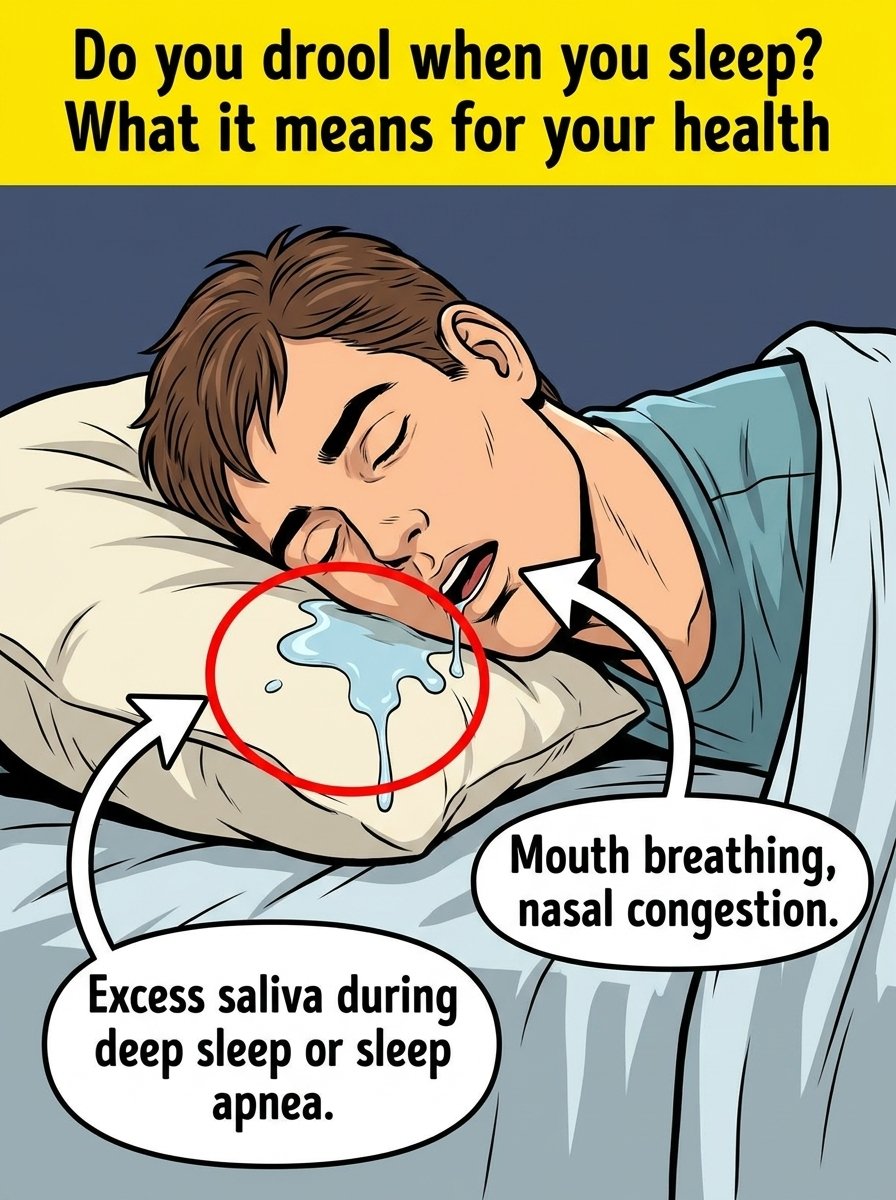
 Ever wake up to find your pillow suspiciously damp, leaving you feeling a little embarrassed? You’re not alone, and while a wet pillow might seem like just a minor inconvenience, your body could actually be trying to send you a crucial health message through your drooling during sleep.
So, is it time to pay closer attention if you frequently drool while catching Zs? This article will delve into the surprising causes, potential health implications, and practical strategies to stop drooling at night, helping you decode what your body is trying to tell you.
Is Drooling in Your Sleep Normal?
Absolutely—experiencing drooling, scientifically known as sleep-related hypersalivation, is a very common and usually harmless occurrence. It typically happens when your body enters a state of deep relaxation during sleep, allowing excess saliva to naturally escape from your mouth.
However, if you find yourself drooling excessively or more often than usual, it could sometimes point to underlying issues that warrant a closer look.
Common Causes of Drooling While Sleeping
1. Sleeping Position
If you’re a side sleeper or prefer sleeping on your stomach, gravity makes it considerably easier for saliva to trickle out of your mouth.
2. Deep Sleep
When you’re in the deeper stages of sleep, your body’s natural swallowing reflex tends to slow down significantly, which can easily result in drooling.
3. Nasal Congestion
A blocked nose, whether from seasonal allergies, a common cold, or chronic sinus problems, often forces you to breathe through your mouth, leading to increased drooling.
4. Acid Reflux (GERD)
Certain digestive conditions, such as gastroesophageal reflux disease, can trigger an increase in saliva production, especially during nighttime hours.
5. Medications
It’s worth noting that some prescription or over-the-counter medications can list excessive saliva as an unexpected side effect.
6. Sleep Disorders
Underlying conditions like sleep apnea can be a contributing factor to drooling and often require a professional medical evaluation.
What Drooling Might Say About Your Health
For the majority of people, occasional drooling is nothing to worry about. However, in specific circumstances, it could be a subtle indicator of:
- Poor sleep quality
- Underlying respiratory issues
- A digestive imbalance
- Certain neurological conditions (though this is a much rarer scenario)
If your drooling is a frequent occurrence, seems excessive, or comes hand-in-hand with other concerning symptoms like loud snoring or gasping, it’s definitely worth looking into further.
When Should You Be Concerned?
It’s advisable to schedule a visit with your doctor if you observe any of the following:
- Your drooling becomes severe or begins very suddenly
- You frequently experience heavy snoring, gasping for air, or periods of interrupted breathing during sleep
- You notice a new or increasing difficulty with swallowing
- Your drooling consistently disrupts your ability to get quality sleep
How to Stop Drooling While Sleeping
1. Change Your Sleeping Position
Consciously make an effort to sleep on your back, as this position naturally reduces the likelihood of saliva escaping your mouth.
2. Treat Nasal Congestion
Keep your nasal passages clear by using a humidifier, saline nasal spray, or appropriate allergy treatments to encourage nose breathing.
3. Improve Oral Health
Maintaining excellent dental hygiene can play a role in helping to regulate your overall saliva production.
4. Stay Hydrated
Ensuring you drink enough water throughout the day can sometimes positively impact the consistency of your saliva.
5. Address Underlying Conditions
If diagnosed, actively manage and treat any existing issues such as acid reflux or sleep apnea, as these can be root causes.
Simple Lifestyle Tips
- Avoid consuming heavy meals close to bedtime
- Reduce or limit your alcohol intake, especially in the evenings
- Strive to maintain a consistent and healthy sleep routine
- Regularly clean and ensure your pillow remains dry
Final Thoughts
In most instances, drooling while you sleep is a perfectly natural and harmless occurrence, particularly if it only happens occasionally. However, if you notice persistent or unusually excessive drooling, it could genuinely be your body’s subtle way of drawing attention to an underlying health concern.
It’s wise to be attentive to any accompanying symptoms, consider making some straightforward lifestyle adjustments, and don’t hesitate to seek medical advice if you have ongoing worries.
Ultimately, even a seemingly minor detail like nighttime drooling can actually help you gain a deeper understanding of your sleep patterns and overall well-being.