 By admin
 Ever been jolted awake by a sudden, agonizing charley horse in your leg? You’re not alone. While these disruptive nighttime leg and calf cramps are incredibly common, especially as we get older, they’re often more than just a nuisance. They can sometimes be a subtle signal from your body indicating dehydration, specific nutrient deficiencies, or even certain lifestyle habits that might need a closer look. The fantastic news is that a significant number of these cases can be effectively relieved and prevented through straightforward, natural adjustments to your daily routine.
What Causes Leg and Calf Cramps at Night?
It’s rarely a single issue, but rather a combination of several common elements that can significantly heighten your chances of experiencing those unwelcome muscle spasms during the night.
1. Dehydration
Failing to consume adequate water throughout your day can severely impact how your muscles function, making you more susceptible to painful cramps once you’re trying to sleep. Beyond that, dehydration can disrupt the delicate balance of vital minerals essential for proper muscle contraction and relaxation.
Tip: Make sure to consistently sip water throughout the entire day, increasing your intake especially when the weather is hot or after any physical activity.
2. Mineral Deficiencies
Insufficient levels of crucial electrolytes like magnesium, potassium, calcium, or sodium within your body can be a major contributing factor to the onset of muscle cramps.
Incorporate foods rich in these vital minerals, such as:
- Bananas
- Avocados
- Spinach
- Yogurt
- Nuts and seeds
- Sweet potatoes
3. Poor Blood Circulation
Spending extended periods sitting or standing can significantly hinder healthy blood flow to your legs. This compromised circulation can lead to uncomfortable sensations, tingling, and, predictably, muscle cramping during the quiet hours of the night.
Engaging in regular walking, stretching routines, and general movement throughout your day can naturally enhance your circulation.
4. Muscle Fatigue
Pushing your muscles too hard during the day – whether through intense exercise, prolonged walking, or standing for many hours – can leave them overly fatigued and prone to triggering cramps while you are trying to sleep.
A few minutes of gentle stretching before you head to bed can be remarkably effective in helping to relax those tired muscles.
5. Sleeping Position
The way you position your body during sleep can inadvertently shorten your calf muscles and set the stage for nighttime cramps. Specifically, sleeping with your toes pointed downwards can create unwanted tension in these crucial calf muscles.
Try adjusting your bedding so blankets aren’t too tight, and aim to keep your feet in a relaxed, neutral position while you sleep.
6. Pregnancy
It’s very common for many expectant mothers to experience nighttime leg cramps, particularly as they progress into their second and third trimesters. The various physiological changes during pregnancy, including shifts in circulation, increased body weight, and altered mineral requirements, are all believed to play a role.
7. Age-Related Muscle Changes
Leg cramps tend to become more prevalent as we age, largely due to the natural decrease in muscle mass that occurs over time. Individuals over the age of 50 are statistically more likely to frequently encounter these disruptive nighttime cramps.
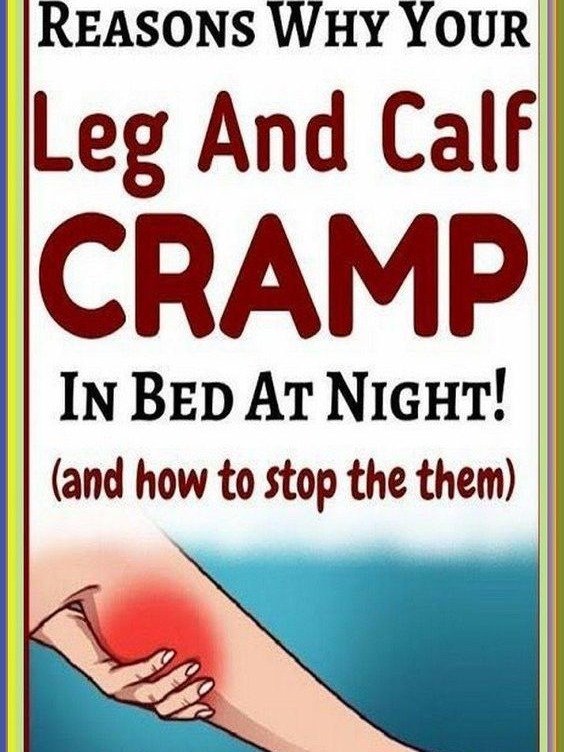
How to Stop Leg Cramps Quickly
If a sudden, painful cramp strikes, these immediate techniques can offer rapid relief:
Stretch the Muscle
Gently extend your leg fully and slowly pull your toes upwards, bringing them towards your shin. This action is highly effective in helping to relax the constricted calf muscle.
Massage the Area
Vigorously rubbing the cramped muscle can stimulate blood flow to the area and help alleviate the built-up tension.
Apply Heat
Placing a warm towel or a heating pad directly onto the affected area can promote muscle relaxation and ease discomfort.
Walk Slowly
Carefully standing up and taking a short, slow walk for about a minute can often help to break the muscle spasm.
Natural Ways to Prevent Nighttime Leg Cramps
Stay Hydrated
Make it a goal to drink sufficient fluids every day, paying extra attention to your intake, especially if you tend to sweat a lot.
Eat a Balanced Diet
Prioritize consuming foods that are naturally rich in essential minerals like magnesium, potassium, and calcium.
Stretch Before Bed
Incorporating gentle stretching exercises for your calves and hamstrings before you go to sleep can significantly reduce how often you experience cramps.
Exercise Regularly
Consistent, moderate physical activity is key to maintaining healthy circulation and optimal muscle function throughout your body.
Wear Supportive Shoes
Inadequate or unsupportive footwear can sometimes contribute to muscle strain and, subsequently, lead to cramping.
When Should You See a Doctor?
While occasional leg cramps are generally harmless and nothing to worry about, it’s wise to consult with a healthcare professional if any of the following situations apply:
- Your cramps occur very frequently
- The pain you experience is severe and debilitating
- You notice swelling or redness accompanying the cramps
- You begin to experience muscle weakness
- Common home remedies simply aren’t providing any relief
Persistent or unusual cramps can, in some instances, be indicative of underlying health conditions such as nerve issues, circulatory disorders, or even side effects from certain medications.
Final Thoughts
Nighttime leg and calf cramps can undoubtedly interrupt your precious sleep and make your evenings quite uncomfortable. However, the good news is that many of the most common culprits are entirely manageable through the adoption of healthier lifestyle habits. By staying well-hydrated, consistently stretching, nourishing your body with nutrient-rich foods, and actively improving your circulation, you can significantly help reduce the frequency and intensity of these cramps naturally.
Should your cramps become a frequent or severe concern, seeking professional medical advice remains the most prudent course of action to accurately identify any potential underlying issues and ensure you receive the most appropriate treatment.