 By admin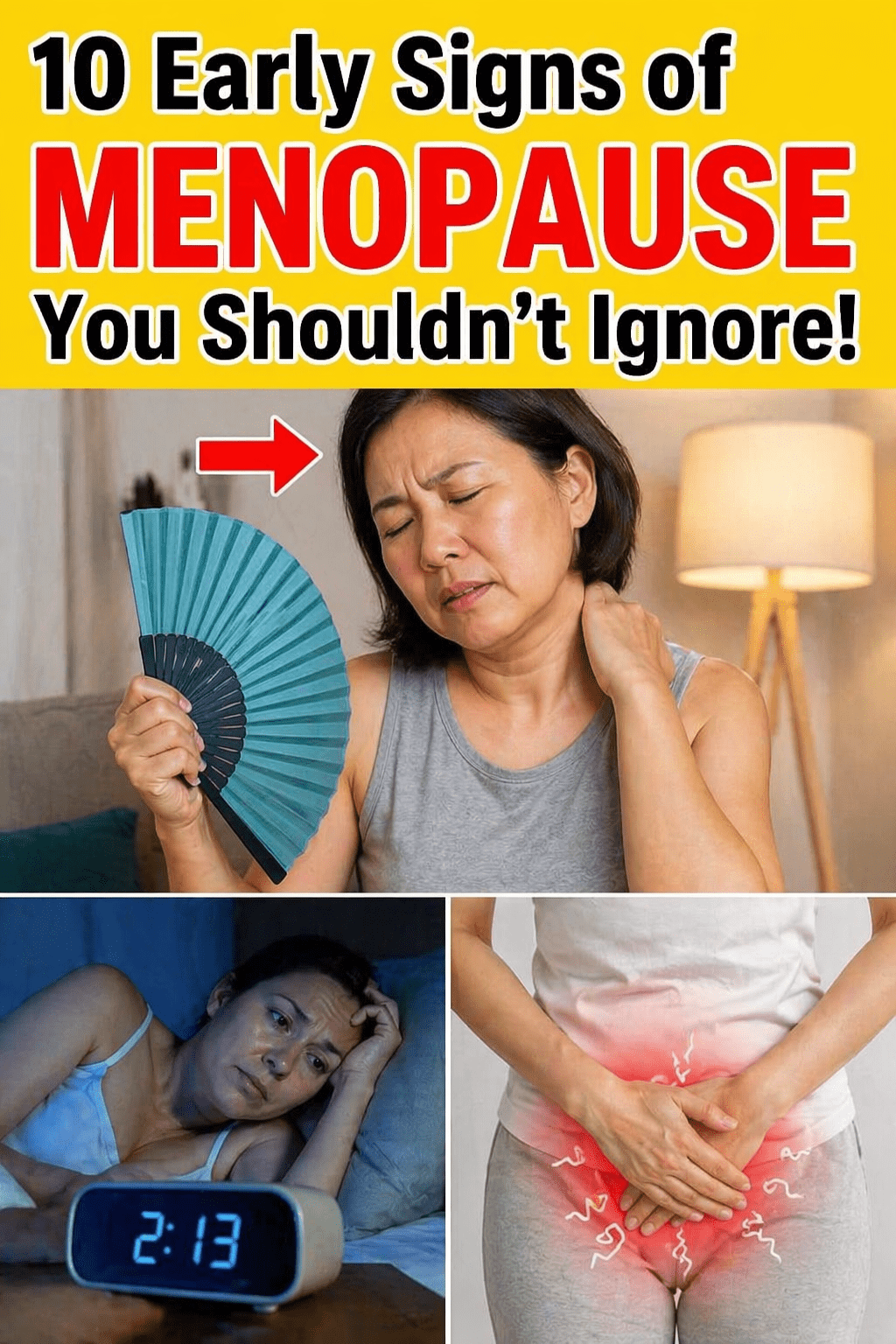
Kicking off the covers at 3 AM, drenched in sweat, wondering why your heart is racing.
Below, you’ll discover the ten overlooked signs of perimenopause, the real reason your body feels suddenly off-balance, and the simple evening habit that helps cool things down.
You might assume that sudden mental fuzziness or a stubborn widening around your middle is just a normal part of getting older.
Thousands of women brush off these subtle changes, blaming stress or a busy schedule.
But recognizing these ten specific patterns is the first step to finally feeling comfortable in your own skin again. I’ll even share the exact thermostat number that can drastically cut down those midnight wake-ups.

The Invisible Rollercoaster

Perimenopause is the natural, sometimes bumpy bridge leading up to menopause. It quietly sneaks up on many women in their 40s—or sometimes even their late 30s.
During this time, your estrogen and progesterone levels stop following their predictable monthly rhythm. Instead, they rise and fall unevenly, and this hormonal turbulence affects almost every system in your body. If you’ve been feeling out of sorts, you aren’t imagining things.
Before we look at the full list, check if you’ve noticed these three early red flags:
- Your cycle is making its own rules (suddenly shorter, longer, or mysteriously absent).
- Your internal thermometer is broken (flushing hot when everyone else is perfectly comfortable).
- Your fuse is noticeably shorter (everyday annoyances feel overwhelming).
10 Ways Your Body Signals a Shift
Let’s break down exactly what this transition looks like so you know exactly what you are dealing with.
1. The Unpredictable Calendar
This is usually the very first clue. Your period might show up early, late, heavier, or much lighter. Ovulation is simply becoming less consistent.
2. The Sudden Inferno
Hot flashes are notorious for a reason. A sudden wave of intense heat spreads across your chest, neck, and face, often bringing a racing pulse and heavy flushing.
3. The 3 AM Wide-Awake Club
Restful sleep suddenly becomes elusive. Even if you don’t wake up sweating, fluctuating hormones can disrupt your natural sleep architecture, leaving you staring at the ceiling and exhausted by sunrise.
4. The Emotional Whiplash
Feeling unusually anxious, tearful, or easily irritated? Shifting brain chemistry makes it much harder to handle daily stressors that you used to brush off.
5. The Uncomfortable Dryness
Lower estrogen slowly thins tissues, which can lead to vaginal dryness and make intimacy uncomfortable. It’s incredibly common, though rarely talked about openly.
6. The “Where Did I Put My Keys?” Fog
Your brain isn’t failing you—it’s just adjusting. Many women describe a profound mental fuzziness or trouble grasping for basic words. This frustrating “brain fog” is directly tied to estrogen dips, not sudden aging.
7. The Deep-Bone Fatigue
You sleep for eight hours but still wake up feeling like you ran a marathon. Hormonal shifts can drastically slow your metabolism and sap your daily energy reserves.
8. The Vanishing Drive
A drop in libido frequently accompanies this phase, compounded by the exhaustion, dryness, and unpredictable mood swings.

9. The Stubborn Middle
You haven’t changed a single thing about how you eat, yet your favorite jeans no longer zip. A slower metabolism often redirects weight straight to the abdomen during these years.
10. The Achy Joints
Estrogen naturally helps keep inflammation in check. As it drops, you might notice new stiffness or soreness in your knees, hips, or fingers.
Taking Back Control Tonight
You don’t have to white-knuckle your way through these years. A few targeted, daily adjustments can make a world of difference in how you feel.
First, start tracking your patterns. Keep a simple notebook on your nightstand to log your hot flashes, mood dips, and cycle changes. This gives you real, concrete data to share with your doctor instead of just saying, “I feel off.”
Next, support your shifting system with movement and food. A brisk 30-minute daily walk supports bone health and lifts your mood, while adding whole foods rich in omega-3s and calcium to your plate helps stabilize your daily energy.
The One Evening Habit to Start

If there is one non-negotiable change to make, it is protecting your evening routine.
Dim the overhead lights a full hour before bed. Swap the phone scrolling for gentle stretching or reading. Avoid heavy meals or caffeine late in the evening. This conscious “wind-down” signals to your nervous system that it is safe to rest, which can dramatically reduce the intensity of night sweats and anxiety flare-ups while you sleep.
This phase of life asks you to pay closer attention to your body’s changing needs. From unpredictable cycles to sudden mental fog, these shifts are a natural transition, not a personal failing. By tracking your patterns, adjusting your routines, and giving yourself some grace, you can navigate these years with confidence, independence, and comfort.
Top 3 Takeaways:
- Brain fog, stubborn weight gain, and unpredictable sleep are classic, common signs of perimenopause.
- Fluctuating estrogen and progesterone levels are responsible for both the physical and emotional shifts you are feeling.
- Building a dedicated, calming evening routine is your best natural defense against midnight flare-ups.
How many of these ten signs have you noticed recently? Leave a comment and share your experience—you might just help another woman realize she isn’t navigating this alone.
P.S. Remember that thermostat trick I mentioned? The sweet spot for perimenopausal sleep is right around 65°F (18°C). Keeping your bedroom strictly at this cool temperature, combined with breathable, removable cotton layers, naturally works with your body’s nighttime cooling process to help prevent those midnight wake-ups.
This article is for informational purposes only and does not replace professional medical advice. Please consult your healthcare provider for personalized guidance.