 By admin
 Vaseline for Skin Tags: Separating Fact from Fiction in At-Home Removal
Skin tags can be quite bothersome. They frequently snag on jewelry, rub uncomfortably against clothing, and can even make you feel self-conscious in photographs. Many individuals actively search for methods to remove skin tags naturally at home, often hoping for a quick, overnight solution using readily available products like Vaseline. However, the reality is that while some home remedies for skin tags might offer comfort, not all popular tips are supported by scientific evidence. The truth about Vaseline’s role in skin tag removal might surprise you – keep reading to understand what truly makes a difference.
What Exactly Are Skin Tags and Why Do They Appear?
Skin tags, medically known as acrochordons, are small, benign growths of skin that typically emerge in areas where skin frequently rubs together or against clothing. Common locations include the neck, armpits, eyelids, and groin. These growths are:
- Flesh-colored or slightly darker than your natural skin tone
- Soft to the touch and easily movable
- Generally painless, unless irritated
- Quite common, especially in adults over 30
Research indicates that the development of skin tags may be associated with several factors, including:
- Friction: Often found in skin folds.
- Hormonal Fluctuations: Such as during pregnancy.
- Insulin Resistance: Linked to conditions like type 2 diabetes.
- Weight Changes: Particularly weight gain.
- Genetics: A family history can increase your likelihood.
The good news is that these growths are almost always harmless. Nevertheless, their presence can be a persistent nuisance.
Is Overnight Skin Tag Removal a Reality?
Let’s address this popular notion directly. The prospect of eliminating a skin tag overnight with a natural ingredient is certainly appealing, but there is very limited scientific evidence to support such rapid results from at-home remedies. Here’s why:
- Skin tags are composed of collagen fibers and blood vessels encased in skin tissue. This complex structure does not simply vanish within a few hours.
Nonetheless, certain skin care approaches might contribute to the gradual drying or shrinking of small skin tags over an extended period. The crucial takeaway here is over time. This is often where Vaseline becomes part of the conversation regarding skin tag treatments.
Does Vaseline Directly Remove Skin Tags? The Straight Answer: No.
Vaseline, or petroleum jelly, functions as an occlusive moisturizer. It creates a protective barrier on the skin’s surface, effectively sealing in moisture. It is important to understand that Vaseline does not possess any chemical properties that would allow it to dissolve or break down the tissue of skin tags.
However, some viral trends suggest combining Vaseline with other substances, claiming that sealing the area overnight can “suffocate” the skin tag. From a scientific standpoint, petroleum jelly does not cut off the blood supply. Skin tags receive their blood flow from deeper vessels beneath the skin, so merely covering them with an occlusive barrier will not lead to their removal. So, if it doesn’t remove them, why do some people claim it works?
How Vaseline Can Still Be Beneficial
Even though Vaseline doesn’t act as a direct skin tag removal solution, it can play a supportive role in maintaining skin health and comfort:
- Reduces Irritation: It provides a smooth barrier, minimizing friction if a tag rubs against clothing or jewelry.
- Protects Surrounding Skin: When using other potential at-home treatments, Vaseline can shield the healthy skin around the tag from irritation.
- Aids Healing: If a skin tag is accidentally torn or irritated, Vaseline can help create a moist healing environment.
- Prevents Dryness: It can prevent the skin in the affected area from becoming dry or cracked.
Therefore, Vaseline is best viewed as a supportive product for skin comfort and protection, rather than a primary method for removing skin tags.
Popular At-Home Remedies and Their Scientific Basis
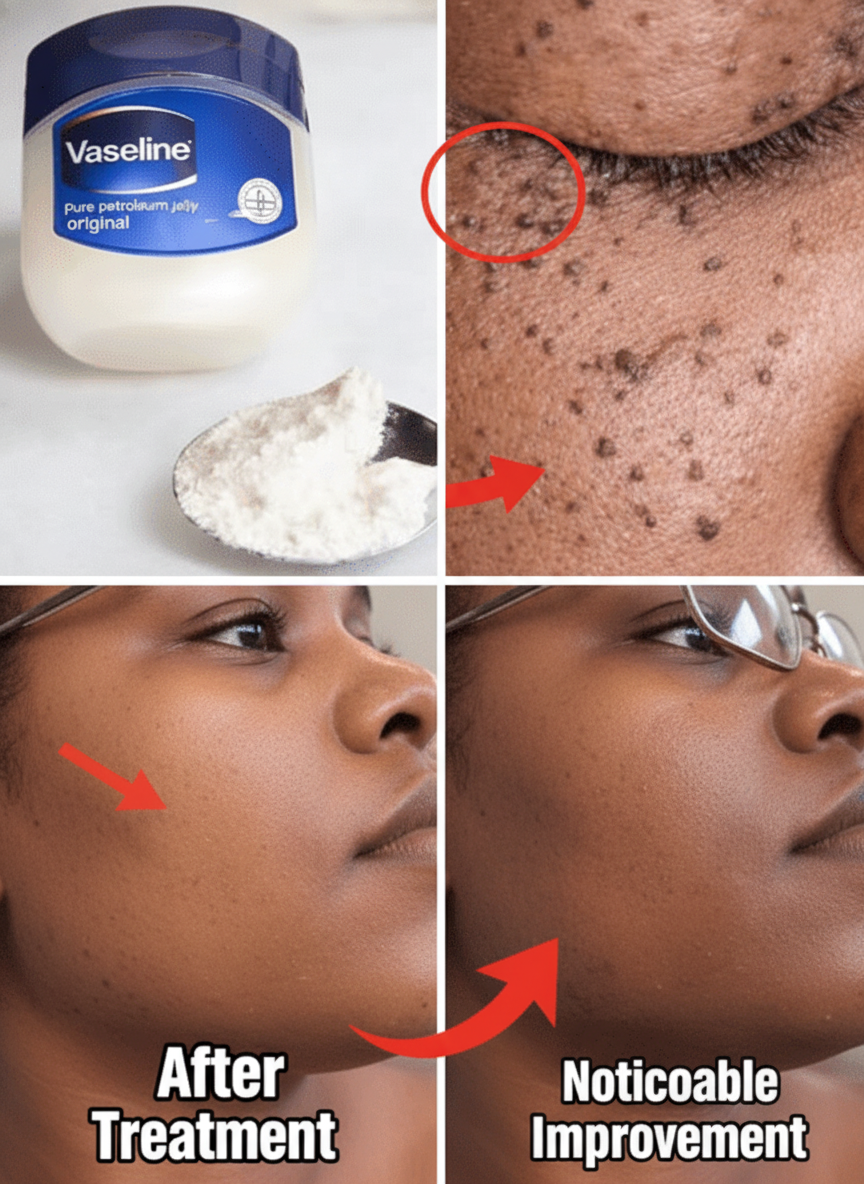
Here’s a comparison of several common natural approaches people try for skin tag removal at home, along with what current evidence suggests:
| Method | How It’s Believed to Work | Evidence Level | Safety Notes |
|---|---|---|---|
| Apple Cider Vinegar (ACV) | The acidic nature may dry out the skin tag tissue. | Limited anecdotal support; not clinically proven for efficacy. | Can cause significant skin irritation, burns, and discoloration if not diluted or used improperly. |
| Tea Tree Oil | Antimicrobial properties, thought to have a drying effect. | Small studies exist, but results are not conclusive for skin tag removal. | Risk of contact dermatitis, allergic reactions, and skin irritation. Always dilute and patch test. |
| Dental Floss Tying | Aims to cut off the blood supply to the skin tag, causing it to wither and fall off. | Mechanically effective if performed correctly on small tags with a stalk. | Significant risk of infection, pain, bleeding, and scarring if not done in a sterile environment or by a professional. |
| Vaseline Alone | Claimed to “suffocate” the tag or facilitate other ingredients. | No scientific evidence supports direct skin tag removal. | Generally safe for skin, but ineffective for removal. |
| Banana Peel | Believed to contain enzymes that help dry out the tag. | Mostly anecdotal reports; no scientific backing. | Low risk of adverse effects, but also low likelihood of efficacy. |
The reality is that most claims of “overnight” or rapid skin tag removal using these methods are highly exaggerated and lack robust scientific validation.
A Safer At-Home Approach (If You Choose to Proceed)
If you decide to explore an at-home skin tag removal method, prioritizing safety is paramount. Always consult a healthcare professional before attempting any removal technique, especially if you have underlying skin conditions or health concerns.
Step-by-Step Gentle Routine:
- Cleanse: Gently clean the area around the skin tag with mild soap and water.
- Dry: Pat the skin thoroughly dry.
- Protect: Apply a thin layer of Vaseline around (not directly on) the skin tag. This helps create a protective barrier for the healthy surrounding skin.
- Apply Agent (if applicable): If you are using a natural drying agent (like very diluted apple cider vinegar), apply it carefully and precisely to the skin tag using a cotton swab, avoiding the Vaseline-protected skin.
- Cover (Optional): Lightly cover the area with a breathable gauze bandage if needed to protect it from friction.
- Monitor: Observe the area daily for any signs of redness, swelling, increased discomfort, or changes in the skin tag’s appearance.
Stop immediately and seek medical advice if you notice any of the following:
- Bleeding from the skin tag or surrounding area
- Severe irritation, burning, or itching
- Signs of infection, such as pus, increasing pain, or fever
- The skin tag growing larger or changing color rapidly
Important Warning: Never attempt skin tag removal on growths located on the eyelids, genitals, or any large, dark, or rapidly changing growths. These require professional evaluation to rule out more serious conditions.
When Professional Removal is the Best Option
Many individuals are unaware that professional skin tag removal is frequently a quick, cost-effective, and significantly safer alternative to repeated, potentially risky home attempts. Dermatologists or other medical professionals can employ various safe and effective methods, including:
- Cryotherapy: Freezing the skin tag with liquid nitrogen.
- Cauterization: Burning off the skin tag using heat.
- Minor Surgical Excision: Snipping the skin tag off with a scalpel.
- Electrosurgery: Using high-frequency electrical current to remove the tag.
These procedures are performed in a controlled clinical environment, ensuring sterility and precision, and typically take only a few minutes. Furthermore, for small skin tags, many clinics can offer complete removal in a single visit with minimal to no downtime, providing a definitive and safe solution.
Why Unverified “One Night Removal” Methods Can Be Risky
The internet is often filled with dramatic before-and-after photos promising miraculous skin tag removal results. However, attempting rapid removal using unverified or improper techniques can lead to significant risks, including:
- Infection: Introducing bacteria to an open wound.
- Scarring: Permanent marks on the skin.
- Pain and Discomfort: Unnecessary suffering during and after the attempt.
- Misdiagnosis: Mistaking a more serious skin condition for a benign skin tag, delaying proper medical treatment.
- Bleeding: Excessive or prolonged bleeding.
Ultimately, while the desire for a quick fix is understandable, prioritizing your skin health and safety is paramount. For any concerns about skin tags or their removal, consulting a qualified dermatologist or healthcare provider is always the safest and most effective course of action.
”
}
“`