 By admin
 A confident smile is a powerful asset, yet for many, the natural yellowing of teeth over time can be a source of self-consciousness. Whether it’s years of enjoying coffee, tea, or simply the natural aging process, dental discoloration is a common concern, particularly among older adults. While commercial whitening solutions can be costly or cause sensitivity, a growing interest in gentle, natural alternatives has emerged. Among these, one particular kitchen remedy has captured widespread attention, prompting many to wonder: can a simple banana peel truly brighten your smile? This article will delve into this intriguing natural method, explore what dental professionals advise, and highlight other gentle habits for maintaining a radiant grin.
Why Our Smiles Diminish with Time: Understanding Tooth Discoloration
It’s a common observation for many older adults: teeth tend to lose their youthful brilliance over time, gradually appearing darker or more yellow. This transformation is a natural part of aging, influenced by a combination of biological changes and daily habits. The primary culprit is often the thinning of tooth enamel. Enamel, the hard, translucent outer shell of your teeth, erodes over decades of chewing and exposure. As this protective layer thins, the underlying dentin, which has a naturally yellowish hue, becomes more prominent, altering the tooth’s overall appearance. Beyond natural wear, our dietary choices significantly impact tooth color. Regular consumption of pigmented drinks like coffee, various teas, red wine, and dark sodas can leave tenacious stains on the enamel surface. Furthermore, lifestyle factors such as tobacco use, certain pharmaceutical prescriptions, and even inconsistent oral hygiene practices can contribute to noticeable staining and discoloration. While these changes are often inevitable, understanding their origins is the first step toward exploring ways to mitigate them and maintain a healthier, brighter smile.
To summarize, here are the key factors contributing to tooth discoloration:
- Aging & Enamel Erosion: The natural thinning of enamel reveals the yellowish dentin beneath.
- Dietary Choices: Frequent consumption of dark-colored beverages and foods.
- Lifestyle Habits: Smoking and chewing tobacco are significant contributors.
- Medication Side Effects: Certain drugs can cause intrinsic staining.
- Inadequate Oral Care: Poor brushing and flossing allow plaque and stains to accumulate.
The Banana Peel Buzz: A Natural Approach to Surface Stains?
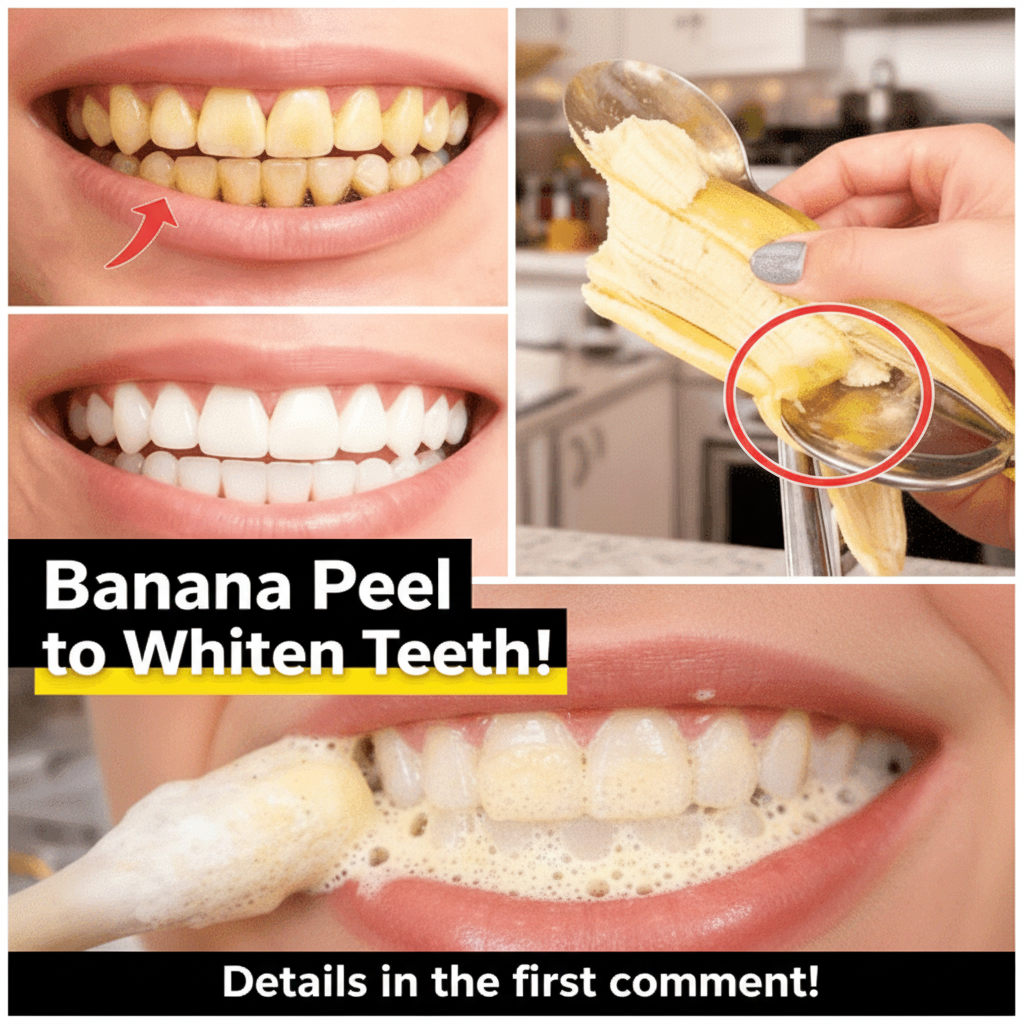
Amidst the search for gentle, affordable ways to achieve a brighter smile, one particular “hack” has gained considerable traction across social media and word-of-mouth: using a banana peel for teeth whitening. The premise is straightforward: after enjoying the fruit, enthusiasts gently rub the soft, inner side of the peel directly onto their teeth for a short duration. The theory behind this unconventional method centers on the mineral content of bananas, which are rich in potassium, magnesium, and manganese. Proponents suggest that these natural minerals might subtly interact with and lift superficial stains from the tooth enamel, potentially offering a mild polishing effect.
Step-by-Step: Trying the Banana Peel Method
If you’re curious to experiment with this popular home remedy, here’s a simple guide:
- Select a Ripe Banana: Opt for a banana that is ripe but not overly bruised.
- Prepare the Peel: Peel the banana and cut a small, manageable section of the peel.
- Gentle Application: Using the soft, fibrous inner surface of the peel, gently rub it across the front and back of your teeth for approximately one to two minutes.
- Wait and Rinse: Allow the mineral residue to remain on your teeth for a few minutes before brushing your teeth as you normally would.
While many find this routine appealing due to its simplicity, low cost, and non-abrasive nature, it’s crucial to temper expectations. Dental professionals generally concur that any whitening effect from banana peels is likely to be minimal, temporary, and primarily due to a gentle polishing action on the tooth’s surface. It is emphatically not a substitute for comprehensive dental hygiene or professional whitening treatments for deeper, intrinsic stains. Nevertheless, for those seeking a natural, mild approach to surface stain removal, it remains a popular experiment.
Beyond the Peel: Other Natural Home Remedies for a Brighter Smile
The quest for a naturally whiter smile extends beyond banana peels, with several other home-based practices often discussed. While their efficacy can vary, and some have more scientific backing than others, these methods are generally considered gentle for addressing superficial stains.
- Baking Soda Brushing: A well-known household staple, baking soda (sodium bicarbonate) is a mild abrasive that can effectively scrub away surface stains without being overly harsh on enamel. Many commercial toothpastes already incorporate it for this very reason. For an at-home application, a small amount mixed with water into a paste, used once or twice a week, can provide a gentle polishing action.
- Oil Pulling: Originating from ancient Ayurvedic medicine, oil pulling involves swishing a tablespoon of coconut or sesame oil around the mouth for about 10-20 minutes. While primarily touted for its potential to reduce harmful bacteria, diminish plaque buildup, and improve overall oral hygiene, some proponents also suggest it contributes to a brighter smile by removing surface debris.
- Strawberry Paste: Strawberries contain malic acid, a natural astringent that some believe can help dissolve surface stains. To try this, mash a few strawberries and mix with a pinch of baking soda to create a paste. However, dental experts caution against frequent use, as the natural acids in fruits, if applied excessively or for prolonged periods, can potentially erode tooth enamel. Therefore, moderation is key with this particular remedy.
A Quick Comparison of Popular Natural Whitening Methods
| Method | Mechanism of Action | Recommended Frequency |
|---|---|---|
| Banana Peel Rubbing | Believed to involve gentle mineral interaction with surface stains. | Occasionally, as desired. |
| Baking Soda Brushing | Mild abrasive action helps polish away surface discoloration. | 1–2 times per week. |
| Oil Pulling | May reduce plaque and bacteria, contributing to clearer enamel. | Daily or several times weekly. |
| Strawberry Paste | Malic acid potentially helps loosen surface stains; use with caution. | Rare or very occasional use. |
However, it’s vital to set realistic expectations for all these home remedies. They are primarily effective, if at all, on surface stains (extrinsic discoloration). Deeper, intrinsic stains, which reside within the tooth structure, typically necessitate professional dental whitening treatments for significant improvement. While natural methods can complement a good oral hygiene routine, they are not a substitute for expert dental care.
The Foundation of a Truly Bright Smile: Consistent Daily Oral Care
Ultimately, the most effective path to a healthier, brighter smile isn’t found in fleeting trends or “miracle” hacks, but in the steadfast commitment to consistent daily oral hygiene. Dental professionals consistently emphasize that fundamental habits are the true secret to maintaining both oral health and aesthetic appeal. If your goal is to achieve teeth that not only look brighter but are genuinely healthier, integrate these essential routines into your daily life:
- Brush Regularly: Aim to brush your teeth thoroughly twice a day for two minutes each time, using a fluoride toothpaste to strengthen enamel and prevent cavities.
- Floss Daily: Flossing at least once a day removes plaque and food particles from between teeth and under the gumline, areas your toothbrush can’t reach.
- Rinse After Staining Drinks: A quick rinse with water after consuming coffee, tea, red wine, or other pigmented beverages can help minimize stain accumulation.
- Stay Hydrated: Drinking plenty of water throughout the day helps wash away food particles and neutralize acids, benefiting oral health.
- Regular Dental Check-ups: Schedule professional dental cleanings and examinations at least once a year, or as recommended by your dentist. These visits are crucial for removing hardened plaque (calculus or tartar) and addressing any emerging dental issues before they escalate.
By prioritizing these consistent, evidence-based practices, you’ll be well on your way to a naturally brighter, healthier, and more confident smile that truly lasts.