 By admin
Have you ever spotted those peculiar white patches on your skin and immediately wondered what they are, or if they’re a cause for concern? You’re not alone. Medically referred to as hypopigmentation or depigmentation, these areas signify a partial or complete reduction in melanin—the vital pigment responsible for the vibrant color in your skin, hair, and eyes.
The emergence of these spots can be attributed to a wide array of factors, varying from completely benign and transient issues to more persistent chronic or even autoimmune conditions. While the vast majority of instances pose no serious health risk, certain cases do warrant a professional medical assessment to establish a precise diagnosis and exclude any potential underlying health concerns.
To help you understand your skin better, we’ve compiled a comprehensive guide to the most common culprits behind white spots on the skin, presented in an easy-to-digest and practical format.
1. Idiopathic Guttate Hypomelanosis (Sun Spots or “White Drops”)
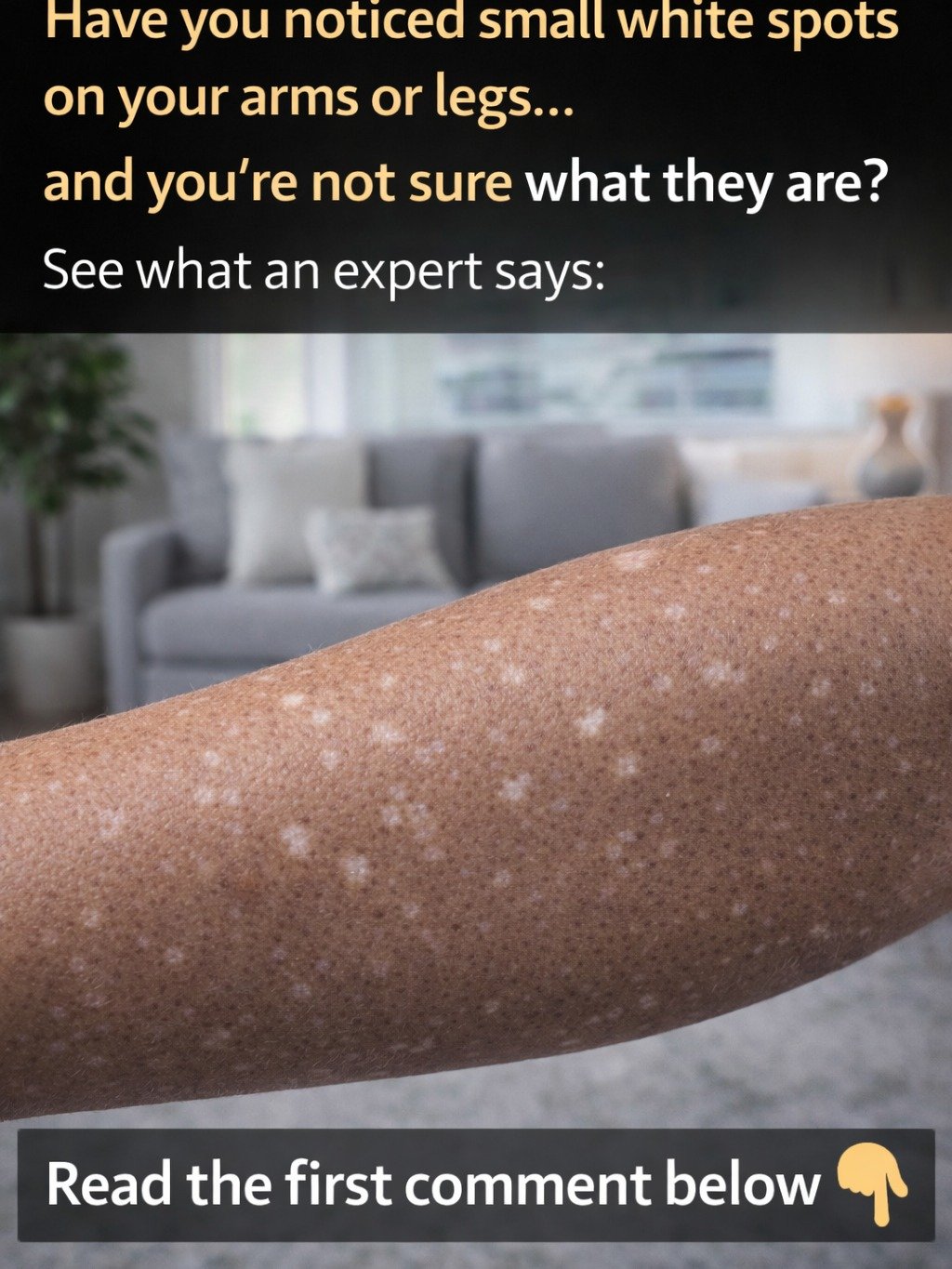
Among the various reasons for developing small white spots, Idiopathic Guttate Hypomelanosis stands out as one of the most frequently encountered causes, particularly as individuals reach their 40s and 50s.
Key features:
-
Characterized by tiny, well-defined round white spots, typically measuring between 2 to 6 millimeters in diameter.
-
Most frequently observed on sun-exposed areas such as the arms, legs, hands, and the upper back.
-
Tends to be more prevalent in individuals with fairer skin tones.
-
Primarily results from cumulative, long-term sun exposure and the natural aging process of the dermis.
-
These spots occur because the pigment-producing cells, known as melanocytes, cease to function effectively in the affected regions.
-
Notably, these spots are neither itchy nor painful.
-
While entirely harmless, they are generally permanent once they appear.
Essentially, these particular spots are considered a cosmetic concern rather than an indicator of any underlying health risk.
2. Tinea Versicolor (Pityriasis Versicolor)
Tinea Versicolor is a common superficial fungal skin infection, triggered by an overgrowth of yeasts from the Malassezia genus. These yeasts are naturally present on our skin but can proliferate excessively under specific environmental conditions, particularly in hot, humid, or sweaty environments.
Key features:
-
Manifests as distinctive patches that can range in color from white to light brown or even pink.
-
Frequently found on the chest, back, neck, and upper arms.
-
Becomes significantly more apparent following sun exposure, as the fungus prevents the affected skin from tanning normally.
-
Can sometimes lead to mild itching or a subtle, fine scaling on the surface.
-
Effectively managed and treated with readily available antifungal creams or specialized shampoos.
While this condition is widespread and entirely harmless, it has a tendency to recur, especially in warmer climates or during periods of increased sweating.
3. Pityriasis Alba
Pityriasis alba is widely recognized as a mild manifestation of eczema, or atopic dermatitis, and is particularly common among children and teenagers, though it can certainly affect adults as well.
Key features:
-
Presents as light-colored, often round or oval patches on the skin.
-
Characterized by a dry, slightly scaly texture on the affected areas.
-
Typically appears on the face, especially the cheeks, as well as the neck and arms.
-
Often linked to conditions like dry skin, allergies, and can be exacerbated by sun exposure.
-
Tends to be more pronounced and noticeable on darker or tanned skin tones.
-
Generally resolves naturally over time with consistent use of moisturizers and a gentle skincare routine.
This is considered a benign and non-threatening condition, primarily posing a cosmetic concern.
4. Vitiligo
Vitiligo is a distinctive chronic autoimmune disorder where the body’s own immune system mistakenly targets and eradicates melanocytes—the very cells responsible for producing skin pigment.
Key features:
-
Characterized by sharply defined, bright white patches that stand out clearly against unaffected skin.
-
Frequently appears symmetrically on both sides of the body.
-
Commonly affects areas such as the hands, face, elbows, knees, and genital regions.
-
These patches can gradually expand in size or merge with adjacent spots over time.
-
While it can manifest at any age, it often begins before the age of 30 or 40.
-
It is important to note that vitiligo is not contagious and does not cause physical pain.
-
Can sometimes be linked to other autoimmune conditions, such as thyroid disease.
Due to its autoimmune nature, vitiligo necessitates a professional medical diagnosis and can be managed through various dermatological treatments, including topical medications, phototherapy, or other specialized interventions.
5. Post-Inflammatory Hypopigmentation
Post-inflammatory hypopigmentation occurs specifically after the skin has experienced some form of injury or inflammation, often following conditions like:
-
Acne
-
Burns
-
Eczema
-
Psoriasis
-
Wounds or rashes
Key features:
-
Manifests as lighter-colored patches that appear precisely where the skin was previously damaged or inflamed.
-
Results from a temporary disruption in the normal functioning of melanocytes.
-
Typically shows gradual improvement and resolution as time progresses.
-
Consistent sun protection is crucial to prevent the contrast between the affected and unaffected skin from becoming more pronounced.
Less Common Causes
-
Specific bacterial or fungal infections, though these are quite uncommon in many geographical areas.
-
Certain nutritional deficiencies, such as those involving vitamin B12, copper, or zinc, though these are relatively rare causes.
-
Prolonged or excessive use of potent topical corticosteroids.
-
Rare genetic conditions like partial albinism or piebaldism.
-
Other autoimmune skin diseases, including lichen sclerosus or morphea.
When to See a Dermatologist
While the majority of white spots are benign and pose no threat, it is crucial to seek professional medical evaluation if you observe any of the following:
-
Patches that are rapidly spreading, expanding, or undergoing noticeable changes in appearance.
-
Symmetrical and progressively worsening pigment loss, which could indicate vitiligo.
-
The presence of intense itching, significant scaling, redness, or any signs of inflammation.
-
A sudden onset of white spots, particularly if you are over the age of 50.
-
White spots accompanied by other systemic symptoms, such as hair loss, extreme fatigue, or signs of thyroid dysfunction.
-
Spots that are present on sensitive areas like the genitals, inside the mouth, or around the eyes and lips.
To accurately confirm a diagnosis, a dermatologist may employ specialized tools such as a Wood’s lamp, perform a skin scraping, or in certain cases, recommend a biopsy.
What You Can Do in the Meantime
-
Routinely apply broad-spectrum sunscreen with an SPF of 50 or higher to all exposed and affected skin daily.
-
Ensure your skin remains consistently well-moisturized, opting for creams rich in ceramides or urea for optimal benefit.
-
Refrain from scratching the affected areas and steer clear of harsh skincare products that could exacerbate irritation.
-
Absolutely avoid using aggressive home remedies, such as undiluted lemon juice or vinegar, as these can severely worsen irritation and existing pigment issues.
-
Maintain a consistent and gentle skincare regimen.
Summary
In essence, white spots appearing on the skin are frequently attributed to conditions such as sun-induced hypomelanosis, fungal infections like tinea versicolor, dry-skin related issues such as pityriasis alba, or changes following inflammation. While the majority of these are benign, it is crucial to remember that vitiligo and certain other autoimmune conditions demand a precise medical diagnosis and expert guidance.
Through proper evaluation and tailored care, most underlying causes can be readily identified and managed effectively—whether the ultimate aim is specific treatment, proactive prevention, or simply providing peace of mind.