 By admin
 Many Americans face daily challenges with fluctuating blood sugar, rising cholesterol, and the silent concern of heart health risks. These issues can feel daunting, draining energy and increasing anxiety about long-term well-being. What if a common kitchen staple offered a simple, enjoyable way to support these vital aspects of health?
Onions, readily available and rich in beneficial compounds, are gaining recognition for their potential role in metabolic and cardiovascular wellness. This article explores the science behind onions’ health benefits and provides an easy, delicious pickled onion recipe to seamlessly integrate them into your diet.
Why Onions Are a Health Powerhouse
Part of the Allium family, onions are packed with potent compounds like quercetin (a powerful flavonoid antioxidant) and sulfur-containing elements. These natural components have been studied for their potential to:
- Support Metabolic Health: Research indicates onions may positively influence fasting blood glucose and post-meal glucose responses.
- Boost Cardiovascular Wellness: Regular onion consumption has been linked to reductions in certain cardiovascular risk markers.
- Aid Blood Pressure & Lipid Profiles: Quercetin, especially abundant in red onions, shows promise in supporting blood pressure regulation and healthy lipid profiles in some clinical trials.
- Nourish Gut Health: Onions provide prebiotic fibers, feeding beneficial gut bacteria crucial for digestion, nutrient absorption, and overall metabolic balance.
Beyond their intrinsic benefits, how you prepare onions can significantly enhance both flavor and consistent enjoyment.
Pickling: Enhancing Onions’ Appeal and Potential
Pickling transforms onions’ pungent bite into a delightful, tangy, and crunchy condiment that’s incredibly versatile and shelf-stable. The pickling process offers additional advantages:
- Vinegar’s Benefits: The acetic acid in vinegars, like apple cider vinegar, has been associated with supporting healthy glucose responses after meals.
- Nutrient Preservation: Pickling effectively preserves quercetin and other antioxidants found in onions.
- Effortless Integration: This preparation method encourages consistent intake without relying on added sugars, making it ideal for blood sugar awareness.
Our recipe draws from traditional methods, prioritizing ease and health-conscious adjustments.
Easy Pickled Red Onions Recipe
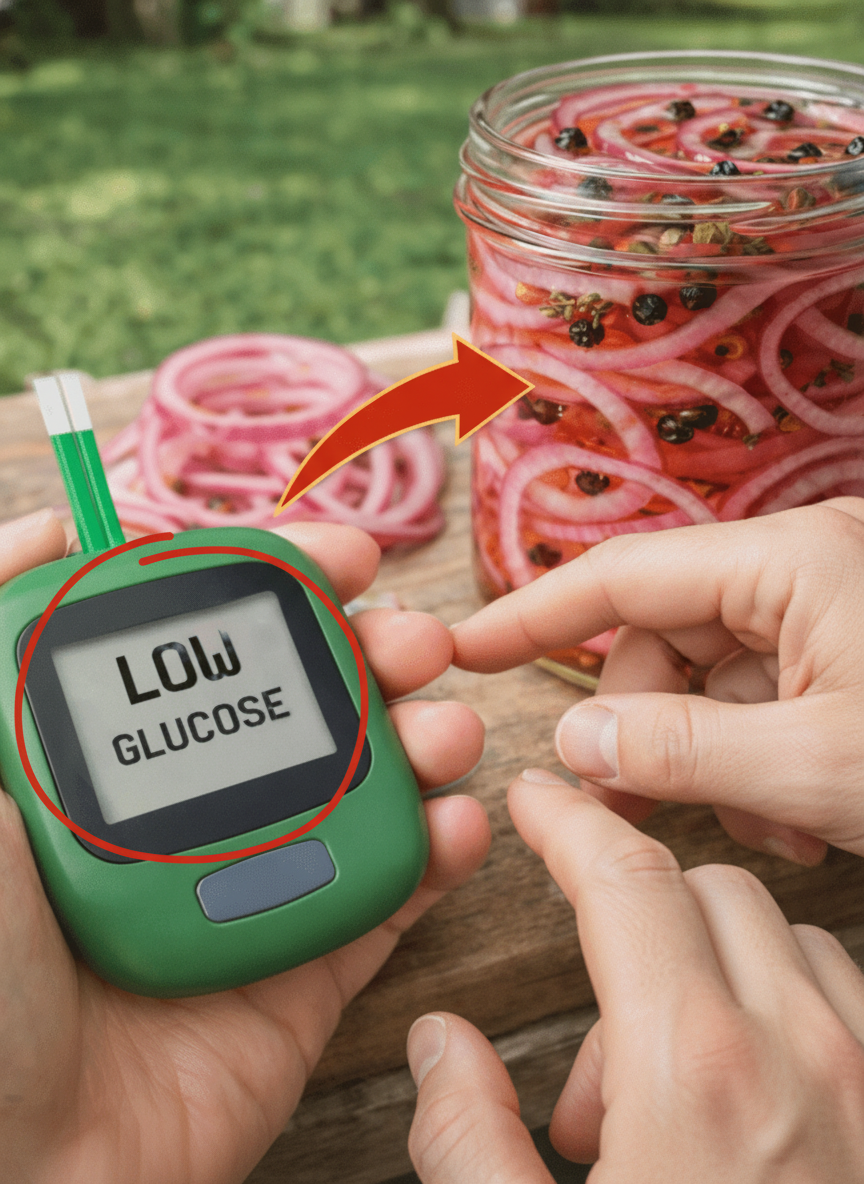
This no-cook quick pickle takes minutes to prepare and delivers vibrant flavor. Red onions are recommended for their higher quercetin content.
Ingredients (makes about 2 cups):
- 1 large red onion, thinly sliced (a mandoline ensures even slices)
- 1 cup apple cider vinegar (or white vinegar for a milder taste)
- 1/2 cup water
- 1-2 tablespoons low-impact sweetener (e.g., allulose, pinch of stevia – optional, to balance tang without spiking blood sugar)
- 1 teaspoon sea salt
- Optional add-ins for extra flavor: 1 teaspoon black peppercorns, a few sliced garlic cloves, or a pinch of mustard seeds
Instructions:
- Pack the thinly sliced onion into a clean glass jar (pint-sized works well).
- In a small bowl, combine vinegar, water, salt, and optional sweetener. Stir until dissolved (gentle warming can help, but is not essential for quick pickles).
- Pour the brine over the onions, ensuring they are fully submerged. Add any optional spices.
- Seal the jar and let it cool to room temperature, then refrigerate.
Ready in 30-60 minutes, but flavor deepens after 24 hours. Keeps for 2-3 weeks in the fridge.
Enjoy Your Pickled Onions:
- Top salads, tacos, or grilled proteins for a zesty crunch.
- Add to sandwiches or wraps for flavor without heavy sauces.
- Mix into yogurt dips or grain bowls for a nutrient and flavor boost.
Simple Tips for Daily Onion Intake
To make onions a regular, beneficial habit:
- Aim for 1/2 to 1 medium onion daily in your meals (studies often reference amounts around 50-100g for observed effects).
- Choose red or yellow varieties for optimal nutrient content.
Embrace the humble onion – a simple addition with profound potential for your blood sugar, artery health, and overall heart wellness!