 By admin
 What if the humble aloe vera plant you cherish for its soothing gel is secretly capable of something truly extraordinary? Most plant enthusiasts are captivated by its thick, succulent leaves, but a hidden spectacle awaits: the stunning aloe vera flower. Witnessing your aloe vera bloom isn’t just a pretty sight; it’s a profound indicator that your plant has reached peak health and maturity, a moment many growers only dream of achieving.
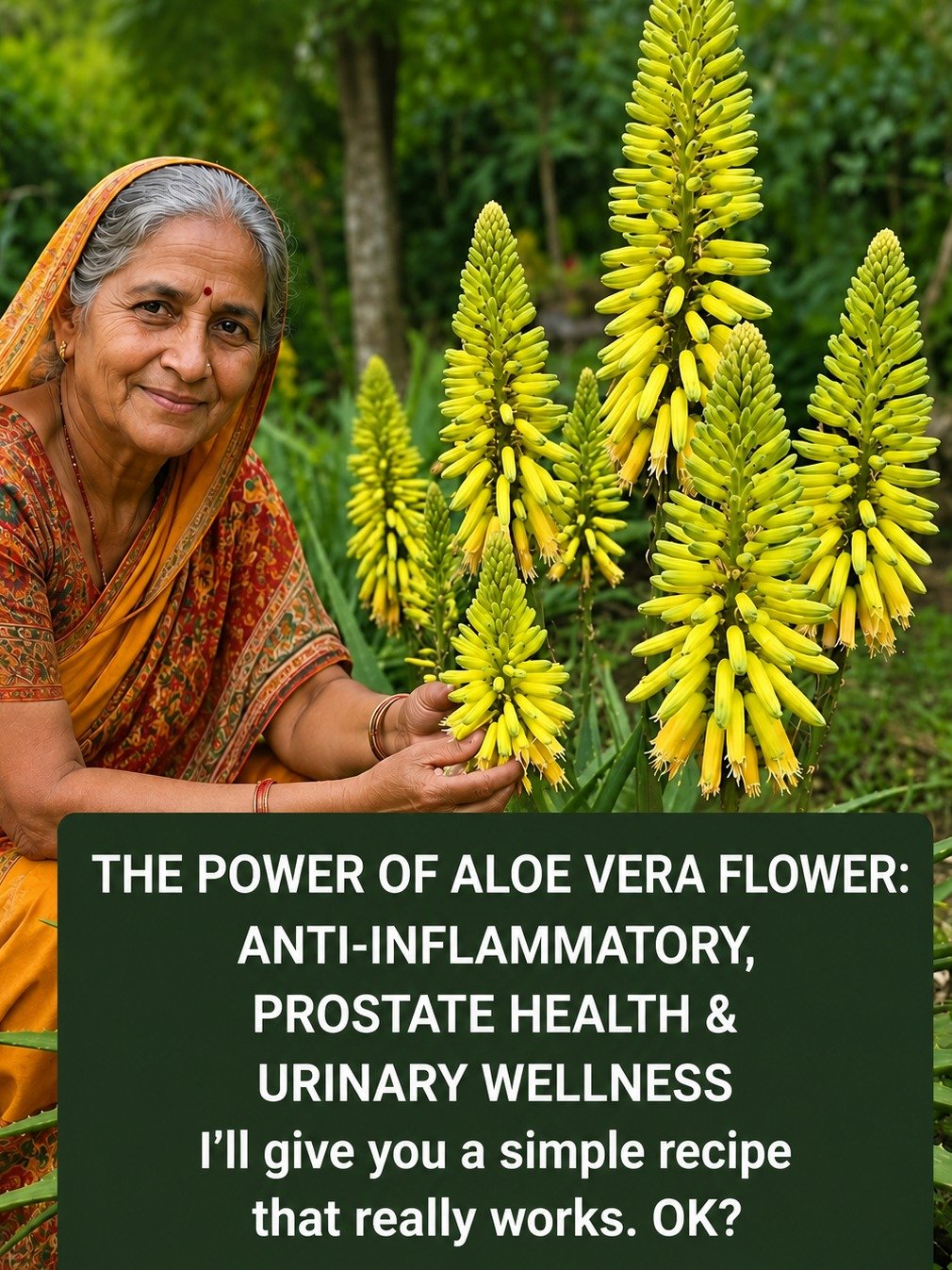
Scientifically identified as Aloe vera, this remarkable plant typically sends up elegant, towering flower stalks adorned with tubular blossoms. These vibrant flowers commonly appear in shades of yellow, orange, or red, varying by species. Since indoor flowering is a relatively rare occurrence, it’s no wonder that plant lovers experience genuine excitement and pride when their aloe vera finally graces them with a bloom.
The Stunning Appearance of an Aloe Vera Flower
When an aloe vera decides to bloom, it’s truly a sight to behold: a remarkably long flower stalk gracefully emerges from the very heart of the plant. This impressive stalk can soar to heights of 2–3 feet, proudly displaying clusters of exquisite tubular flowers that unfurl progressively from the bottom upwards.
In natural outdoor settings, these vibrant blossoms serve as irresistible beacons for various pollinators, including busy bees and graceful hummingbirds. What’s more, these beautiful flowers can continue to enchant and brighten your space for a delightful period of several weeks.
The Prime Time: When Do Aloe Vera Plants Bloom?
Typically, your aloe vera plant will grace you with a bloom once annually, with late spring or early summer being the most frequent flowering period. However, this magnificent display is reserved exclusively for plants that have achieved full maturity and are consistently provided with optimal care. Many horticultural experts emphasize that aloe plants usually require a patient wait of at least 3–5 years before they are ready to produce their very first flower.
For indoor aloe plants, the absence of sufficient sunlight or the necessary seasonal environmental cues can unfortunately mean they might never experience the joy of blooming.
The Mystery Solved: Why Your Aloe Vera Isn’t Blooming (Yet!)
If your aloe vera isn’t flowering, one of these crucial factors might be the culprit:
1. Not Enough Sunlight
Adequate sunlight stands out as one of the most powerful catalysts for encouraging an aloe vera to bloom. For optimal flowering potential, your aloe vera plant absolutely requires a generous 6–8 hours of bright, direct light every single day.
2. It’s Still a Youngster
Much like humans, young aloe plants prioritize growth! They typically channel all their vital energy into developing robust leaves rather than diverting resources towards the more demanding process of flowering.
3. Overwatering Woes
A common mistake is giving your aloe too much water, which can actually compromise the plant’s overall health and significantly diminish its chances of producing beautiful blooms. Remember, aloe vera thrives in well-draining soil and prefers a more restrained, moderate watering schedule.
4. Unsuitable Indoor Environment
Many typical indoor settings simply don’t offer the essential temperature fluctuations and distinct dormancy periods that aloe vera plants naturally require to trigger their flowering cycle. Mimicking their natural habitat is key.
Unlock the Bloom: Expert Tips to Encourage Your Aloe Vera to Flower Naturally
If your heart is set on experiencing the natural beauty of your aloe plant in full bloom, these actionable tips can significantly boost your chances:
- Position your plant in an area that receives abundant, bright sunlight.
- Opt for a specialized, well-draining cactus or succulent potting mix.
- Be diligent about preventing overwatering, which can be detrimental.
- Always allow the soil to completely dry out between watering sessions.
- Provide a slightly cooler environment for your plant during the dormant winter months.
- Choose a pot that is appropriately sized, avoiding anything excessively large for the plant.
Interestingly, a common observation among passionate gardeners on Reddit suggests that mature aloe plants that are somewhat root-bound tend to be more inclined to produce flowers. This could be a subtle cue to consider!
The Big Question: Will Your Aloe Vera Die After It Blooms?
Here’s a huge relief for plant parents: unlike some monocarpic succulents, such as the dramatic agave that perishes after its single bloom, your aloe vera absolutely does NOT die after flowering! In fact, a robust and healthy aloe plant has the wonderful capacity to bloom year after year, offering repeated seasons of floral beauty.
Once the exquisite flowers have naturally faded, it’s a good practice to carefully trim the spent flower stalk. This simple action helps your plant efficiently reallocate its valuable energy towards developing new leaves and preparing for future stunning growth.
Beyond Beauty: Do Aloe Vera Flowers Offer Any Benefits?
Intriguingly, scientific research indicates that aloe vera flowers are packed with beneficial compounds, including potent antioxidants, vital vitamin C, various phenolic compounds, and a wealth of other healthy plant nutrients. Historically, some traditional wellness practices have even incorporated these flowers into their herbal preparations, hinting at their potential.
Despite their potential hidden properties, the most widespread appreciation for aloe vera flowers remains their captivating ornamental beauty and their powerful symbolism as a clear sign of vigorous, healthy plant growth.
Nurturing Your Blooming Aloe: Essential Care During Flowering Season
To support your aloe vera during its magnificent blooming season, keep these simple yet crucial care tips in mind:
✔️ Maintain your regular, moderate watering routine.
✔️ Consistently provide plenty of bright, adequate sunlight.
✔️ Refrain from frequently relocating the plant to avoid stress.
✔️ Once the blooming period concludes, gently remove any faded or dead flowers.
It’s also worth noting that thriving, flowering aloe plants frequently continue to produce adorable pups (young aloe plants) around their base, showcasing their ongoing vitality and reproductive success.
Your Aloe’s Blooming Journey: A Rewarding Conclusion
Ultimately, witnessing your aloe vera plant in bloom is a powerful and joyful affirmation of its maturity, the excellent care it receives, and the perfectly favorable growing conditions you’ve provided. While achieving indoor blooms can be a less frequent occurrence, remember that consistent, proper sunlight, impeccable drainage, and a good dose of patience are your greatest allies in significantly enhancing the likelihood of your aloe flowering naturally.
This remarkable plant truly offers more than just its renowned soothing gel; when it bursts into flower, aloe vera delivers an impressive visual spectacle, transforming from a practical succulent into an undeniably striking ornamental centerpiece in your home or garden.
So, if your aloe vera has begun its flowering journey, embrace and savor every moment of the process – it’s an incredibly rewarding indicator that your beloved plant is truly flourishing. 🌿