 By admin
 Introduction
You probably think of Vitamin E as a powerful ally for a healthy brain, vibrant skin, and a robust immune system. But what if this trusted antioxidant holds a dangerous secret, potentially increasing your risk of stroke? Recent groundbreaking research has unveiled a perplexing paradox: while Vitamin E demonstrably shields the brain, consuming too much of it might actually elevate the danger of specific types of stroke.
This revelation prompts a critical question: is Vitamin E truly a friend or foe to your health? The definitive answer, it turns out, hinges entirely on the dosage you take and its original source.
Unpacking Vitamin E: What Exactly Is It?
At its core, Vitamin E is an essential fat-soluble nutrient that our bodies can’t produce on their own. Abundantly present in a variety of natural foods, its primary mission is to act as a cellular bodyguard, safeguarding your cells from the destructive forces of oxidative damage unleashed by unstable free radicals.
While Vitamin E exists in several distinct chemical forms, the one most biologically potent and active within the human system is known as alpha-tocopherol.
Unlocking the Power: Core Health Benefits of Vitamin E
1. A Shield for Your Brain
This vital nutrient plays a pivotal role in fortifying brain cells against the relentless assault of oxidative stress, a primary culprit implicated in cognitive decline and debilitating neurodegenerative conditions such as Alzheimer’s disease.
2. The Ultimate Antioxidant Defender
Functioning as a formidable antioxidant, Vitamin E actively seeks out and neutralizes harmful free radicals throughout your body, thereby mitigating cellular damage and contributing to the deceleration of the body’s natural aging processes.
3. Boosting Your Body’s Defenses
Vitamin E is instrumental in bolstering overall immune system function, offering particular benefits and enhanced resilience, especially among the older adult population.
4. Radiance from Within: Skin Health
Beyond its internal benefits, Vitamin E is crucial for maintaining supple, healthy skin by effectively dialing down inflammation and providing a protective barrier against the detrimental effects of ultraviolet (UV) radiation.
5. Safeguarding Your Cardiovascular System
Emerging evidence suggests that Vitamin E may play a critical role in inhibiting the oxidation of LDL (“bad”) cholesterol, a key mechanism implicated in the development and progression of heart disease.
The Unsettling Truth: Decoding the Vitamin E Paradox and Its Potential Dangers
Despite the impressive array of health advantages Vitamin E provides, a critical caveat exists: scientific evidence indicates that high-dose supplementation could unfortunately be associated with a spectrum of potential health risks.
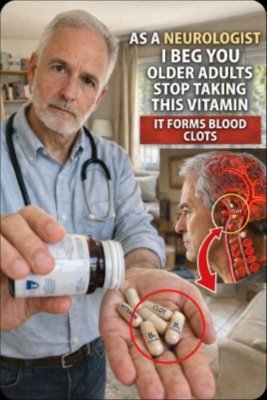
A Disturbing Link to Hemorrhagic Stroke
Several compelling studies have brought to light a concerning correlation: taking excessive amounts of Vitamin E, particularly through concentrated supplements, might significantly elevate the danger of experiencing a hemorrhagic stroke—a severe medical event characterized by bleeding directly within the brain tissue.
It’s crucial to understand that this heightened risk does not extend to the Vitamin E obtained through a balanced, normal diet but becomes a significant consideration primarily when consuming high-potency supplements.
The Hidden Blood-Thinning Effect
Another important aspect to consider is Vitamin E’s natural ability to function as a mild anticoagulant, or blood thinner. This property carries significant implications:
- It could substantially increase your overall risk of bleeding.
- It has the potential to dangerously interact with prescribed anticoagulant (blood-thinning) medications.
The Source Matters: Food vs. Supplements
Embrace Natural Food Sources (Your Safest Bet)
When it comes to obtaining your daily dose of Vitamin E, sourcing it directly from whole foods is overwhelmingly considered the safest, most effective, and most beneficial approach for your overall well-being.
Incorporate these excellent sources into your diet to naturally boost your Vitamin E intake:
- A variety of delicious nuts, such as almonds and hazelnuts.
- Nutrient-dense seeds, especially sunflower seeds.
- Fresh spinach and other vibrant leafy green vegetables.
- Creamy, healthy avocados.
- Various high-quality vegetable oils, including sunflower and olive oil.
Navigating Supplements (Proceed with Extreme Caution)
While Vitamin E supplements can indeed offer targeted support in specific health scenarios, their use demands a meticulous and cautious approach.
Crucial Warning: Consuming high doses of Vitamin E supplements, particularly those exceeding the established recommended daily intake, carries a significant potential for adverse health outcomes and risks.
Your Daily Dose: Understanding Recommended Intake
- For the majority of healthy adults, the recommended daily intake of Vitamin E is approximately 15 mg (equivalent to 22.4 IU) per day.
- It is critically important to refrain from exceeding these established upper limits unless you are specifically advised and monitored by a qualified healthcare professional.
Critical Warning: Who Needs Extra Caution with Vitamin E?
Given its potential interactions and effects, it is absolutely essential to seek personalized medical advice from a doctor or healthcare provider before incorporating any Vitamin E supplements into your regimen if you:
- Are currently prescribed or taking blood-thinning medications.
- Possess any personal history of stroke or related cerebrovascular events.
- Are scheduled for any upcoming surgical procedures.
- Are managing any pre-existing chronic health conditions.
Your Guide to Safe Vitamin E Consumption
- Always make it your top priority to obtain Vitamin E from nutritionally rich, whole food sources.
- Steer clear of high-dose Vitamin E supplements unless they are explicitly recommended and supervised by your doctor for a specific medical reason.
- Adhere strictly to the established daily intake guidelines to prevent potential adverse effects.
- Integrate your Vitamin E intake within the broader context of a diverse, balanced diet and an overall healthy lifestyle.
The Bottom Line: Your Health, Your Choice
Undeniably, Vitamin E stands as an indispensable nutrient, celebrated for its potent antioxidant capabilities and remarkable brain-protective qualities. Yet, this intricate relationship highlights a fundamental truth applicable to many vital nutrients: when it comes to Vitamin E, an abundance does not automatically equate to superior health benefits; in fact, it can be detrimental.
When integrated into your lifestyle at judicious levels—particularly through the rich tapestry of natural food sources—Vitamin E serves as a powerful cornerstone for robust overall health. However, venturing into the realm of excessive supplementation can unfortunately introduce significant perils, notably including an elevated propensity for specific, dangerous forms of stroke.
Ultimately, the path to harnessing Vitamin E’s benefits lies in thoughtful moderation and intelligent choices. Prioritize a diet brimming with nutrient-dense foods, and always, without exception, engage in a thorough consultation with a trusted healthcare professional before considering the addition of any high-dose supplements to your routine.