 By admin
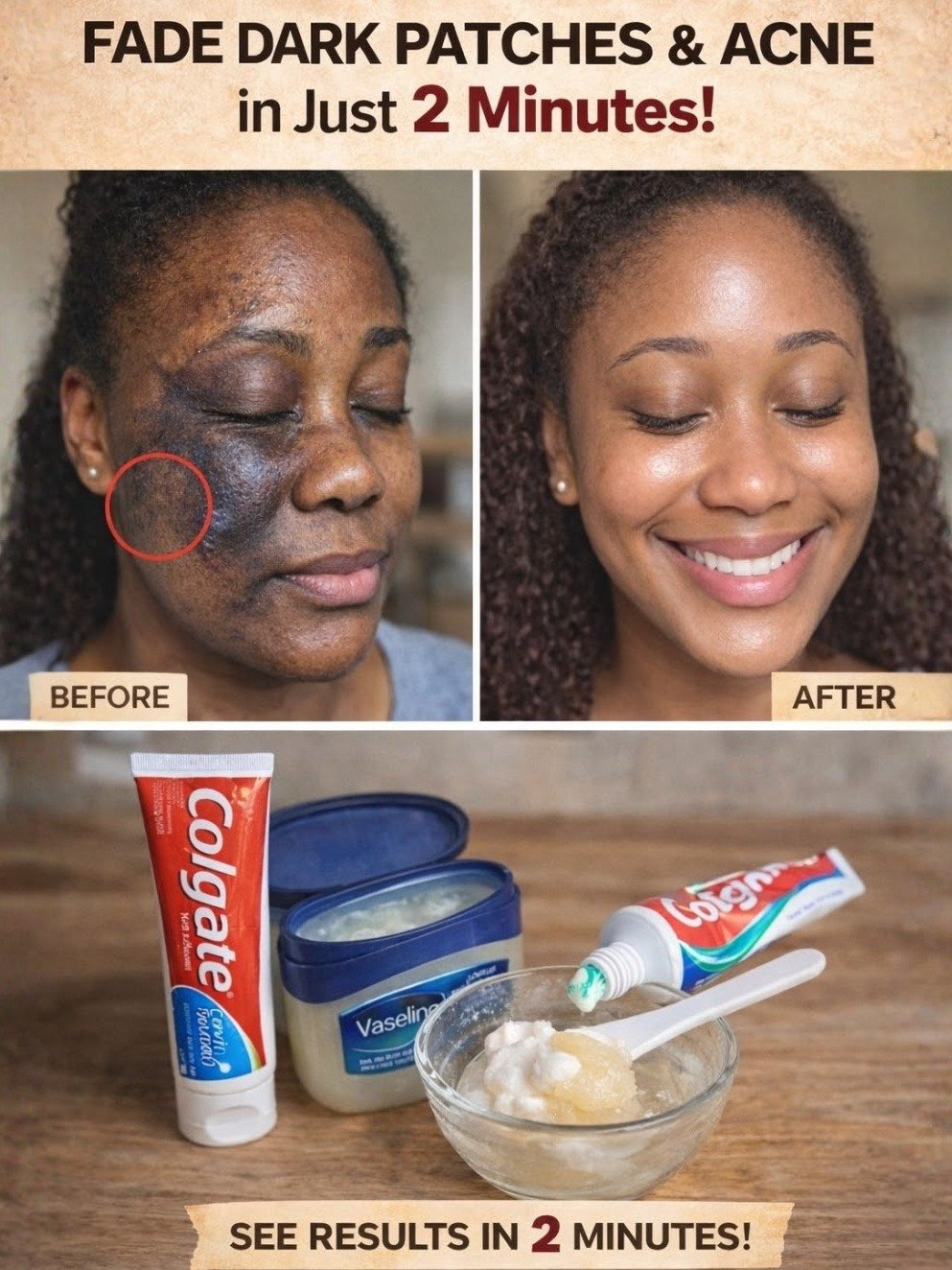
Imagine achieving flawless, blemish-free skin overnight using just two common household items. Sounds too good to be true, right? Well, a viral sensation sweeping social media claims that combining Colgate toothpaste and Vaseline is the ultimate DIY skincare miracle.
Proponents of this unconventional beauty hack suggest that this simple mixture can effectively banish pimples, illuminate dull complexions, and leave your skin incredibly smooth by morning. But is there any truth to these bold claims, or could this trending trick actually be doing more harm than good to your precious skin?
In this comprehensive guide, we’ll dive deep into the actual science behind applying toothpaste and Vaseline to your face. We’ll uncover the potential (and often surprising) effects, weigh the supposed benefits against the very real risks, and ultimately, present dermatologically approved, safer alternatives for achieving truly healthy and clear skin.
Why People Are Mixing Colgate and Vaseline for Their Face
The buzz around this unique combination began with a flurry of viral videos and social media posts, all asserting that blending toothpaste with petroleum jelly could create an incredibly potent, homemade skincare mask.
Those who advocate for this mixture often highlight its purported ability to:
-
Rapidly diminish pimples
-
Visibly brighten a lackluster complexion
-
Effectively fade dark spots
-
Contribute to noticeably smoother skin texture
-
Gently exfoliate away dead skin cells
The underlying rationale behind this particular concoction seems fairly straightforward:
-
Toothpaste is believed to aggressively dry out acne blemishes.
-
Vaseline is thought to form a protective barrier, effectively sealing moisture within the skin.
However, it’s crucial to understand that the actual outcomes of this mixture might be far less miraculous than the dazzling claims circulated across social media platforms would lead you to believe.
What Happens When You Apply Toothpaste on Your Face
It’s important to remember that toothpaste is specifically formulated for oral hygiene and not for delicate facial skin. Its common ingredients include abrasive substances like baking soda, powerful oxidizers like hydrogen peroxide, fluoride, and detergents such as sodium lauryl sulfate.
While some of these components possess drying properties that might temporarily reduce the size of a pimple, they are also highly likely to cause significant irritation to sensitive facial skin.
Applying toothpaste to your skin can lead to a range of undesirable effects, including:
-
Excessive skin dryness
-
Pronounced redness or inflammation
-
Uncomfortable burning or stinging sensations
-
Noticeable peeling or flaking of the skin
-
Potential damage to the crucial skin barrier
This adverse reaction occurs because toothpaste typically possesses a significantly higher pH level than healthy skin, which can drastically disrupt your skin’s natural, delicate balance and trigger irritation.
While in some specific instances toothpaste might temporarily shrink a pimple, it frequently exacerbates existing inflammation, leading to a worsening of the breakout or even stimulating the emergence of new blemishes.
Is Vaseline Safe for the Face?
In stark contrast to toothpaste, Vaseline, or petroleum jelly, holds a long-standing and widely accepted place in many effective skincare regimens.
It functions primarily as an occlusive barrier, forming a protective seal on the skin’s surface that effectively traps existing moisture, thereby preventing dehydration and dryness.
Among the recognized benefits of incorporating Vaseline into your routine are:
-
Fortifying the skin’s natural barrier
-
Significantly reducing transepidermal water loss
-
Providing soothing relief for dry or irritated complexions
-
Assisting in the healing process of minor cuts and abrasions
However, it’s critical to understand that Vaseline itself does not actively moisturize the skin. Instead, its primary function is to seal in whatever substances are already present on your skin, which unfortunately can include unwanted elements like dirt, bacteria, or irritating compounds.
When this occlusive property is combined with the harsh ingredients found in toothpaste, it creates an unfortunate scenario where potentially irritating chemicals are sealed directly against your skin, intensifying their negative effects.
What Really Happens When You Mix Colgate and Vaseline
When these two seemingly innocent household products are combined and then applied to the delicate skin of your face, a series of reactions, both immediate and potentially long-term, can unfold.
Possible Short-Term Effects
Initially, some individuals might observe fleeting changes, such as:
-
Pimples that appear slightly less inflamed or drier
-
A temporary sensation of smoother skin texture
-
A momentary brightening effect on the complexion
It’s important to note that these seemingly positive effects are generally attributed to the drying action and mild exfoliating properties of toothpaste, rather than any genuine or lasting improvement in skin health.
Possible Negative Effects
However, for a significant number of users, this concoction can trigger a host of adverse skin reactions, including:
-
Severe skin irritation
-
Unpleasant burning sensations or persistent redness
-
An unwelcome increase in acne breakouts
-
Obvious clogging of pores
-
Heightened skin sensitivity to other products or environmental factors
Leading dermatology experts consistently caution that the ingredients found in toothpaste are far too aggressive for delicate facial skin. Furthermore, occluding these harsh chemicals with petroleum jelly can dramatically intensify irritation by trapping them against the skin’s surface, preventing them from evaporating or being easily removed.
The Viral Result: Why Some People Think It Works
Given the potential for negative reactions, why then do so many individuals across online platforms enthusiastically endorse this particular hack?
There are several psychological and physiological factors at play:
-
Temporary drying of pimples – which can make them *appear* smaller and less noticeable for a short period.
-
Surface-level exfoliation – the abrasive nature of toothpaste can slough off some superficial dead skin cells, leading to a temporary sensation of smoothness.
-
The powerful placebo effect – the strong expectation of improvement, fueled by widespread viral claims, can genuinely influence perceived results.
Regrettably, these perceived improvements are almost always fleeting and, if the hack is repeatedly applied, can ultimately pave the way for more significant and persistent skin issues in the long run.
Safer Alternatives for Clear and Healthy Skin
Rather than resorting to harsh and inappropriate household items like toothpaste for your complexion, board-certified dermatologists strongly advocate for the use of scientifically-backed and gentle skincare treatments.
Consider these highly effective and skin-friendly alternatives:
1. Salicylic Acid
An excellent beta-hydroxy acid that expertly penetrates and unclogs pores, significantly reducing acne and preventing future breakouts.
2. Benzoyl Peroxide
A highly effective ingredient that targets and eliminates acne-causing bacteria, reducing inflammation and blemishes.
3. Aloe Vera Gel
Renowned for its natural anti-inflammatory properties, it effectively soothes irritated skin, calms redness, and promotes healing.
4. Tea Tree Oil (Diluted)
A powerful natural antibacterial and anti-inflammatory agent, when properly diluted, it serves as an effective spot treatment for individual pimples.
5. A Consistent, Proper Skincare Routine
Establishing and adhering to a foundational skincare regimen can yield transformative results for your skin’s health and appearance:
-
Utilize a gentle, non-stripping cleanser
-
Apply a lightweight, hydrating moisturizer
-
Always protect your skin with broad-spectrum sunscreen during daylight hours
These dermatologist-approved options are not only significantly safer but are also backed by extensive scientific and clinical research, ensuring genuine benefits for your skin.
If You Already Tried the Colgate and Vaseline Hack
Should you have already experimented with this trending but questionable beauty hack and are now experiencing any degree of irritation or discomfort, it’s crucial to take immediate, corrective steps:
-
Gently cleanse your face using a mild, non-foaming facial cleanser.
-
Apply a soothing, fragrance-free moisturizer to help calm and hydrate your skin.
-
Strictly avoid using any harsh or active skincare products for several days to allow your skin to recover.
-
Ensure you consistently use a broad-spectrum sunscreen to shield your now-sensitive skin from further damage.
If persistent redness, burning, or other adverse reactions continue despite these measures, it is highly advisable to seek professional guidance from a qualified dermatologist.
Final Thoughts
The allure of the Colgate and Vaseline face hack may present itself as an appealingly simple DIY skincare solution, but the reality of its effects on your complexion is considerably more intricate and concerning than it appears.
While Vaseline undeniably offers beneficial protective and moisture-locking properties for the skin, it is unequivocally clear that toothpaste is fundamentally not designed for facial application and carries a substantial risk of causing irritation, inflammation, or even long-term damage when used regularly.
In the vast majority of cases, the potential risks associated with this viral trend far outweigh any perceived or temporary benefits. For the sake of genuinely healthier, more resilient skin, it is always the superior choice to rely on products that have been specifically formulated, tested, and approved for skincare purposes.
Ultimately, a timeless and profoundly simple rule of thumb holds true:
If a product’s intended use is for your teeth, then it should absolutely remain on your teeth—and nowhere near your face.