 By admin
 Have you scrolled through social media lately and stumbled upon those captivating videos promising an instant solution to your bed bug woes? These clips often depict a simple sprinkle of a common garden product, claiming to eradicate these persistent garden pests in mere minutes. For anyone grappling with a bed bug infestation, whether indoors or out, the allure of such a rapid pest control hack is undeniable. The relentless itching from their bites, the constant anxiety of them migrating into your home, and the frustrating cycle of re-infestation can leave you feeling utterly overwhelmed. However, while these viral sensations spread rapidly, they frequently present an incomplete narrative, fostering false hope for quick fixes that rarely live up to their claims. What if understanding the genuine science behind these assertions could fundamentally alter your approach to long-term pest management? Let’s delve beyond the sensationalism and uncover what truly works, beginning with the surprising reality behind a widely promoted “miracle” method.
The Viral Garden Hack: Too Good to Be True?
The origin of this online phenomenon can be traced back to brief, often dramatic video snippets: a seemingly ordinary garden powder is sprinkled, and within moments, bed bugs are purportedly gone. Homeowners and gardening enthusiasts have eagerly shared these videos, along with personal anecdotes of “instant results” in comment sections. The “magic ingredient” frequently highlighted is diatomaceous earth (DE), a fine powder derived from fossilized algae, readily available at most garden supply stores. But the crucial question remains: can it truly deliver such rapid results?
The widespread interest is entirely justified. Bed bugs are notorious for indoor infestations, yet their presence isn’t confined to your home. They are opportunistic hitchhikers, easily transported on outdoor items like patio furniture, bird feeders, or even garden tools. During warmer seasons, increased outdoor activity can significantly heighten the risk of encountering these unwelcome guests, making outdoor bed bugs a growing concern. While this popular hack does indeed leverage a genuine scientific principle, the claim of eradication in “a few minutes” introduces a significant element of doubt, blurring the line between effective treatment and misleading exaggeration.
Understanding Bed Bugs: Beyond the Bedroom
Often perceived solely as an indoor nuisance, bed bugs (scientifically known as Cimex lectularius) are flat, reddish-brown insects, roughly the size of an apple seed. They are obligate parasites, meaning they require blood meals, typically from humans, to survive. While their reputation for infesting beds and upholstered furniture is well-deserved, these resilient creatures can indeed venture into outdoor environments under suitable conditions. Common outdoor hiding spots include crevices in garden pots, dense ivy covering walls, or even mulch beds adjacent to patios and decks. They are predominantly nocturnal, emerging from their dark, secluded daytime retreats to feed.
What makes bed bug infestation so challenging is their remarkable resilience. They possess an extraordinary ability to survive for months without feeding, can compress their bodies to squeeze into cracks as thin as a credit card, and a single female can lay up to 500 eggs in her lifetime. This formidable biology explains why viral “quick fixes” gain such traction—people are genuinely desperate for effective pest control solutions. However, a crucial distinction must be made: true Cimex lectularius rarely establish permanent colonies in gardens in the same way that common garden pests like aphids or slugs do. Often, what appears to be a bed bug in outdoor videos might actually be a lookalike, such as bat bugs, swallow bugs, or various carpet beetles. While some general pest control methods might offer partial overlap, understanding this difference is vital for targeted and effective pest management.
Diatomaceous Earth (DE): A Scientific Look at Its Efficacy
To be clear, diatomaceous earth (DE) is far from a pseudoscience. This naturally occurring, powdery substance operates on a proven scientific principle: its microscopic, sharp edges abrade the protective waxy outer layer of an insect’s exoskeleton. This damage leads to rapid moisture loss and subsequent dehydration, ultimately resulting in the pest’s demise. Many gardeners successfully employ DE as a component of their natural pest control strategy against various insects like slugs, ants, and indeed, bed bugs in outdoor environments.
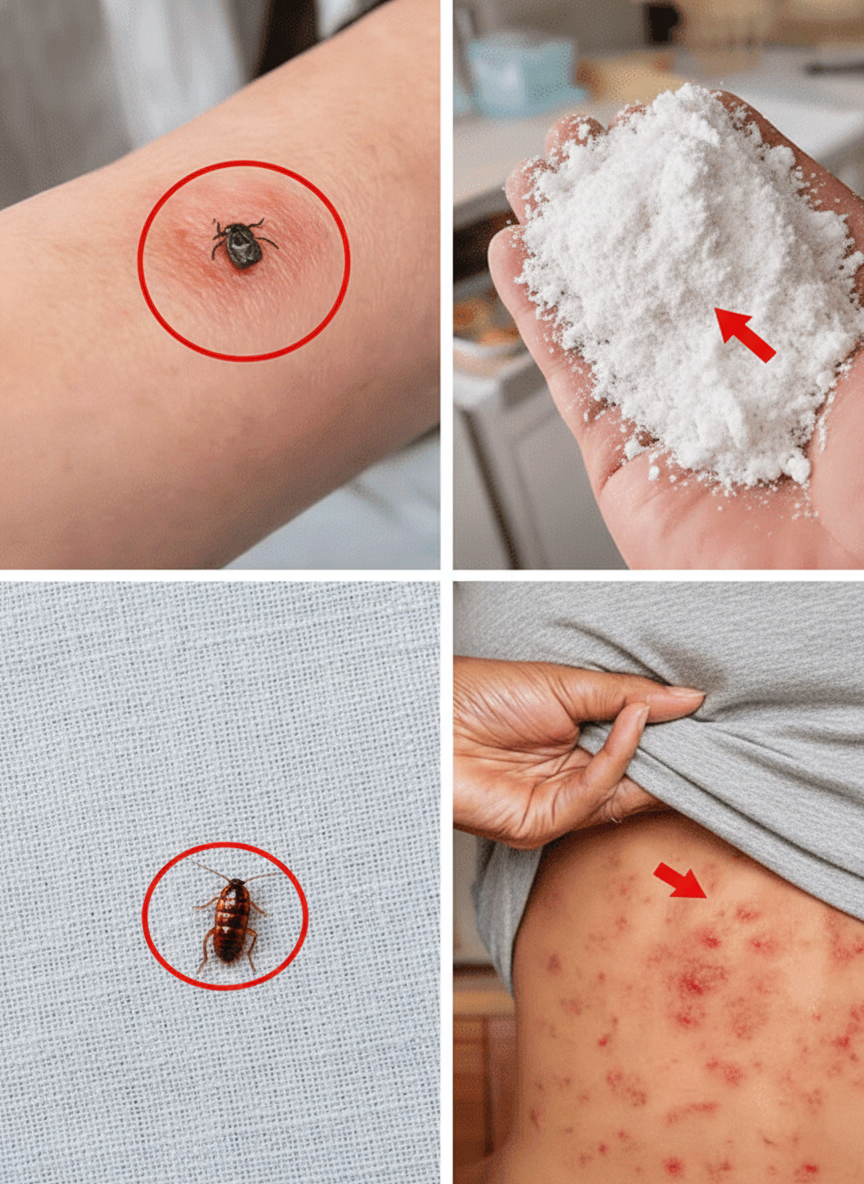
Reputable studies from leading pest management experts, including extensive research conducted by university extension programs, confirm that DE can effectively diminish bed bug populations when applied meticulously and correctly. However, the viral claims of instantaneous eradication are highly misleading. For instance, a review published in the Journal of Economic Entomology highlighted that while DE is effective on contact, it typically takes hours to several days to kill insects, not mere minutes. The “vanishing act” observed in popular online videos is often achieved through accelerated footage or experiments involving very small, controlled groups.
The reasons why these rapid claims are deceptive are crucial to understand:
- DE requires direct contact with the insect to be effective.
- Its efficacy is significantly reduced in humid conditions or when wet; rain will wash it away, necessitating reapplication.
- It does not instantly kill bed bug eggs, meaning multiple applications over time are essential to break the life cycle.
Despite these caveats, diatomaceous earth should not be entirely disregarded. When utilized as part of a comprehensive integrated pest management (IPM) strategy and applied under optimal conditions, it can be a valuable tool for bed bug prevention and control in your garden and surrounding outdoor areas.
Myths vs. Facts: Navigating Bed Bug Control Information
In the age of viral content, it’s easy to fall for quick fixes, but effective bed bug control requires a well-informed, strategic approach. Let’s separate the widespread myths from the scientifically supported facts regarding bed bug treatment and prevention:
| Viral Myth | Scientific Fact |
|---|---|
| A single application of powder will instantly eliminate all bed bugs. | Diatomaceous earth (DE) acts gradually, typically requiring 1-2 weeks of consistent application for significant population reduction. Comprehensive results are best achieved when combined with other pest control strategies. |
| Ordinary table salt is an instant bed bug killer. | Table salt has negligible efficacy against bed bugs. Its crystalline structure is not sharp enough to damage their exoskeleton; the abrasive properties of DE are what make it effective. |
| Essential oils, such as lavender or peppermint, are sufficient for eradication. | While some essential oils may offer temporary repellent properties, they do not possess the power to eradicate an existing bed bug infestation. They can be useful for minor deterrence or maintenance but are not a standalone solution for elimination. |
| Bed bugs are exclusively an indoor problem, originating only from inside the home. | This is false. Outdoor bed bugs can readily hitchhike on items like patio furniture, gardening equipment, or even clothing after outdoor activities. Travelers and visitors can also inadvertently introduce them from outside sources. |
Achieving True Bed Bug Control: A Holistic Approach
Ultimately, while the appeal of a rapid, effortless solution to bed bug infestations is strong, the reality of effective pest management demands a more patient and comprehensive strategy. Instant fixes seen on social media are often misleading and can lead to wasted effort and prolonged suffering. Instead, arm yourself with accurate knowledge and adopt an integrated pest management (IPM) approach that combines various methods, including targeted treatments, environmental modifications, and consistent monitoring.
For persistent or widespread issues, consulting a professional pest control service is always recommended. By understanding the true nature of these resilient pests and employing science-backed techniques, you can move beyond viral hype and achieve lasting relief from bed bugs in both your garden and your home.