 By admin
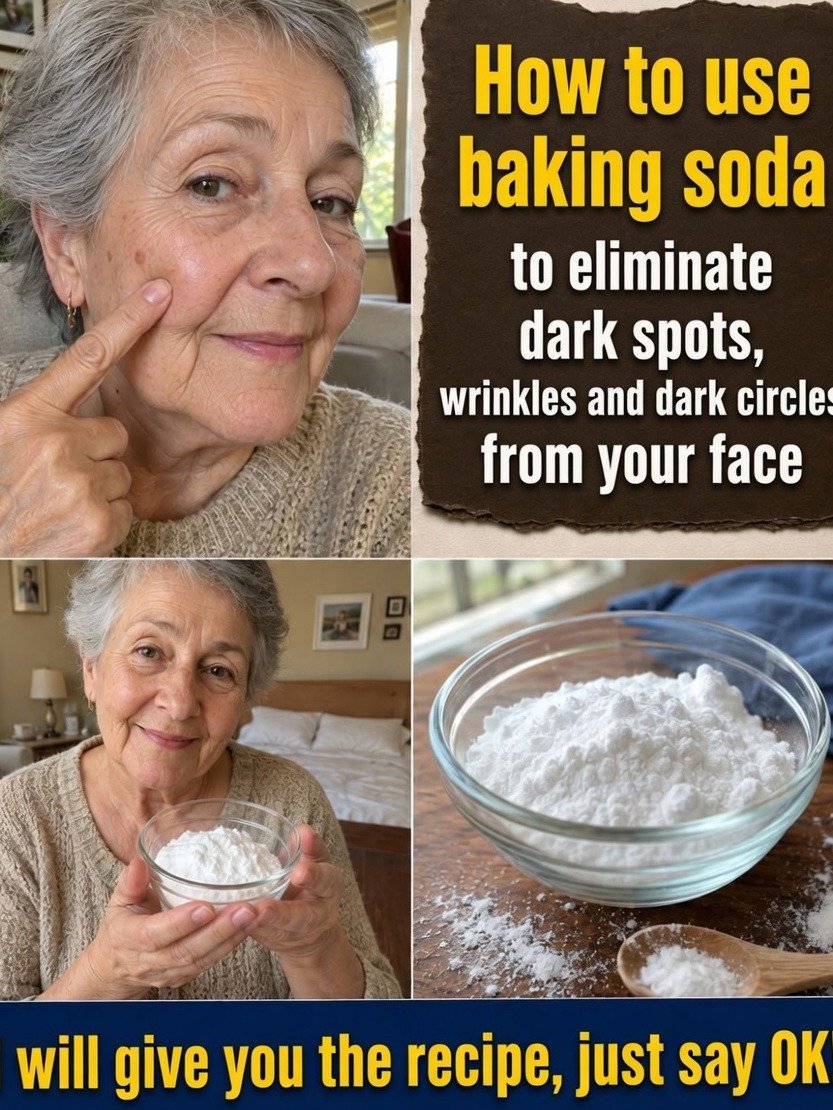
 You’ve probably seen countless social media posts touting baking soda as the ultimate cheap fix for everything from stubborn acne to dull skin. It sounds like a miracle, right? But before you grab that box from your pantry, hear this crucial warning from dermatologists: this popular ‘natural’ remedy could be secretly sabotaging your skin’s health, causing more harm than good.
Achieving truly healthy, glowing skin isn’t about aggressive, quick-fix treatments; instead, it’s a delicate balance of hydration, robust protection, and gentle care that respects your skin’s natural defenses.
What Is Baking Soda?
Let’s get scientific for a moment: Baking soda, chemically known as sodium bicarbonate, is a common white crystalline powder found in nearly every kitchen and laundry room, primarily recognized for its roles in cooking and robust household cleaning.
Its significant alkalinity is a key factor, as this property can drastically alter your skin’s naturally delicate and slightly acidic pH balance, leading to unforeseen consequences.
Why People Use It for Skin Care
Despite the warnings, many are drawn to baking soda for its perceived traditional benefits in skincare, which often include:
- Acting as a physical exfoliant to slough off dead skin cells
- Helping to absorb and reduce excess oiliness on the skin’s surface
- Creating a brief, superficial smoothing effect on the complexion
- Serving as a popular, though entirely unproven, home remedy for targeting acne spots
It’s critical to understand, however, that any perceived positive effects are typically fleeting and overshadowed by a significant array of potential risks.
Potential Risks for Skin
1. Disrupts Skin Barrier
Your skin’s outermost layer, its protective barrier, thrives in a slightly acidic environment. Introducing highly alkaline baking soda can severely compromise this delicate pH, weakening your skin’s natural defenses.
2. Causes Dryness and Irritation
This abrasive substance can strip away your skin’s vital natural oils far too aggressively, leading to uncomfortable dryness, flakiness, and persistent irritation.
3. Can Worsen Acne
Paradoxically, excessive or improper use of baking soda can actually inflame and irritate your skin, potentially triggering an increase in frustrating acne breakouts rather than resolving them.
4. Not Suitable for Sensitive Skin
Individuals with inherently sensitive skin or those already dealing with a compromised skin barrier are particularly vulnerable, often experiencing immediate and painful symptoms like intense redness, burning sensations, and heightened sensitivity.
Safer, Dermatologist-Approved Alternatives
Gentle Hydration
For soothing and deeply moisturizing benefits, consider the time-honored efficacy of pure Aloe Vera gel, renowned for its calming properties.
Natural Oils
- Nourishing Jojoba oil
- Rich Coconut oil (ideal for very dry skin types)
- Emollient Olive oil
Gentle Exfoliation
To achieve effective yet safe exfoliation without compromising your skin, opt for alternatives such as:
- Soothing Oatmeal scrubs
- A gentle mixture of Honey and sugar (used sparingly and mildly)
- Advanced Enzyme-based cleansers that gently dissolve dead skin cells
Healthy Skin Care Routine
1. Cleanse gently
Embrace a daily regimen of using a mild, non-stripping, and fragrance-free cleanser, both in the morning and evening.
2. Moisturize daily
Consistent daily hydration is not just a luxury; it’s absolutely essential for strengthening and protecting your skin’s vital barrier function.
3. Protect from sun
Make broad-spectrum sunscreen your non-negotiable daily essential, regardless of the weather, to shield your skin from harmful UV rays.
4. Avoid harsh DIY treatments
Resist the temptation of aggressive or unproven DIY skincare remedies, as over-exfoliation and harsh ingredients can inflict lasting damage on your skin.
Foods That Support Healthy Skin
-
Vitamin C-rich Citrus fruits, such as vibrant
Orange -
Antioxidant powerhouses like Berries, particularly juicy
Blueberry -
Essential Healthy fats from sources like creamy
Avocado
Myths About Baking Soda for Skin
Myth: It cures acne permanently
This is absolutely false; acne is a complex skin condition with numerous underlying causes that demand a comprehensive and appropriate skincare approach, not a simple kitchen remedy.
Myth: It whitens skin safely
There is no scientific evidence whatsoever to support the claim that baking soda safely whitens skin; in fact, its use is far more likely to result in significant irritation and damage.
Myth: More exfoliation means better skin
Quite the opposite! Aggressive or excessive exfoliation, especially with harsh ingredients, frequently leads to a compromised skin barrier, increased sensitivity, and long-term damage.
When to See a Dermatologist
It’s always wise to consult a qualified dermatologist for expert guidance and treatment, especially if you’re experiencing any of the following:
- Stubborn, persistent acne that doesn’t respond to over-the-counter treatments
- Any instance of severe irritation, burning, or discomfort on your skin
- Suspected or confirmed skin infections that require medical attention
- Ongoing redness, unexplained sensitivity, or other lasting skin concerns
Final Thoughts
While baking soda might offer a superficial, temporary sensation of cleansing, it’s crucial to understand that it is unequivocally not a safe or sustainable long-term solution for facial skincare. Its inherently high alkalinity poses a significant threat, capable of profoundly disrupting your skin’s delicate barrier and leading to chronic irritation, dryness, and even worsening existing conditions. In contrast, gentle, consistent, and scientifically-backed skincare routines are vastly more effective and undoubtedly safer for cultivating and maintaining truly healthy, resilient skin.
Ultimately, the secret to radiant, problem-free skin lies in a balanced, holistic approach: prioritizing deep hydration, diligent sun protection, and the exclusive use of mild, skin-friendly products. This strategy consistently delivers the most impressive and lasting results for a healthy complexion.