 By admin
 Imagine a threat lurking within your body, silently eroding your health without a single alarm bell ringing. That’s precisely the insidious nature of high cholesterol, a widespread condition often dubbed the ‘silent killer’ because it typically presents no clear symptoms until it’s already caused significant damage, potentially leading to life-threatening events like a heart attack or stroke. Its stealthy progression means it can quietly harm your arteries for years without you ever knowing.
⚠️ Indirect Symptoms and Warning Signs
While high cholesterol itself rarely triggers immediate, direct symptoms, persistently elevated levels over time can contribute to other serious health issues that do manifest with noticeable warning signs, such as:
- Chest pain (angina): This discomfort or tightness in the chest arises when your heart muscle isn’t receiving enough oxygen-rich blood, often a direct result of arteries narrowed by cholesterol buildup.
- Fatigue or shortness of breath: These symptoms might signal that your heart is struggling to pump blood efficiently, or that your circulation is compromised due to blockages.
- Xanthomas: Keep an eye out for these small, yellowish, fatty deposits that can appear under the skin, commonly found on elbows, knees, buttocks, or even the eyelids, indicating severe cholesterol issues.
- Xanthelasma: Similar to xanthomas, these are distinct yellowish patches or lumps that specifically form around the eyes, often a tell-tale sign of high cholesterol.
- Corneal arcus: This presents as a white or gray ring encircling the iris of your eye. While it’s a normal occurrence in older individuals, its presence in younger people can be a significant indicator of dangerously high cholesterol levels.
- Leg pain while walking (intermittent claudication): If you experience cramping or pain in your legs, particularly during physical activity, it could be a crucial symptom of peripheral artery disease (PAD), where arteries in your limbs are blocked by cholesterol.
❤️ Risks of Untreated High Cholesterol
Allowing high cholesterol to go unaddressed can pave the way for a cascade of severe and potentially fatal health complications, including:
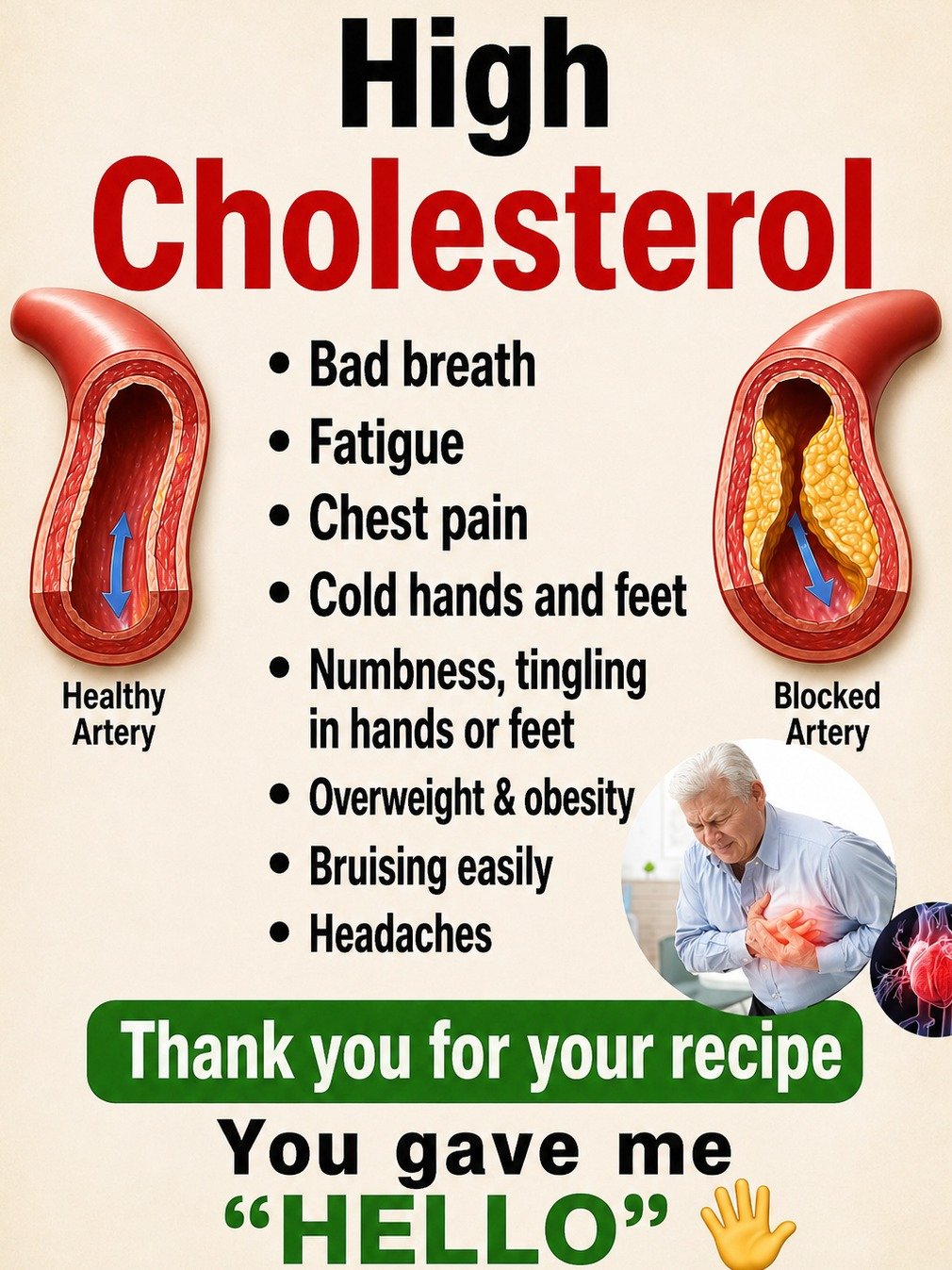
- Heart attack (myocardial infarction): This occurs when blood flow to a part of the heart is blocked, usually by a blood clot formed on a cholesterol plaque.
- Stroke: A stroke happens when the blood supply to part of your brain is interrupted or severely reduced, often due to artery blockages or clots caused by high cholesterol.
- Peripheral artery disease (PAD): This condition involves narrowed arteries that reduce blood flow to your limbs, most commonly your legs, leading to pain and other serious issues.
- Atherosclerosis (hardening and narrowing of the arteries): This is the fundamental process where cholesterol, fats, and other substances build up in your artery walls, forming plaques that stiffen and constrict blood vessels, setting the stage for all the above.
These dangerous conditions emerge as cholesterol accumulates within the artery walls, creating plaques that progressively restrict vital blood flow and dramatically escalate the risk of devastating cardiovascular events.
🧪 Detection and Prevention
Given its silent nature, the only definitive method to accurately ascertain your cholesterol levels and assess your risk is through a simple blood test known as a lipid profile. This comprehensive test measures several critical components, including:
- Total cholesterol
- LDL cholesterol (often referred to as “bad” cholesterol because it contributes to arterial plaque)
- HDL cholesterol (known as “good” cholesterol, as it helps remove excess cholesterol from your arteries)
- Triglycerides (another type of fat in your blood that can increase heart disease risk)
Recommended Screening Frequency:
- Every 4–6 years is typically recommended for healthy adults with no significant risk factors for heart disease.
- More frequently for individuals who have elevated risk factors, such as obesity, high blood pressure, diabetes, a smoking habit, or a family history of early-onset heart disease, as their risk profile necessitates closer monitoring.
💡 Tips for Maintaining Healthy Cholesterol Levels
Proactively embracing a heart-healthy lifestyle is your most powerful tool in both preventing high cholesterol and averting its potentially devastating complications. Consider these essential steps:
- Nourish your body with a balanced diet, prioritizing an abundance of fruits, vegetables, whole grains, and healthy fats while limiting saturated and trans fats.
- Engage in regular physical activity, aiming for at least 150 minutes of moderate-intensity exercise each week, to boost your ‘good’ cholesterol and lower your ‘bad’ cholesterol.
- Strive to maintain a healthy weight, as excess body fat, particularly around the waist, can negatively impact cholesterol levels.
- Quit smoking entirely and significantly limit your alcohol consumption, as both habits are detrimental to cardiovascular health and can worsen cholesterol profiles.
- Make regular health check-ups a priority, including routine cholesterol screenings, to catch any issues early and work with your doctor on prevention or management.
Final Thoughts
While high cholesterol might not announce its presence with obvious symptoms, its potential impact on your well-being is undeniably severe. Recognizing the subtle, indirect warning signs and committing to early detection through routine screenings are critical steps. By making proactive, informed lifestyle choices today, you can dramatically diminish your risk of heart disease and a host of other serious complications. Investing in your cholesterol health now is truly an investment in a longer, healthier future for your heart.