 By admin
 What if everything you thought you knew about fibroids was wrong? For too long, uterine fibroids have been dismissed as an ‘older woman’s problem,’ but a silent crisis is unfolding: more and more women in their 20s and 30s are receiving this life-altering diagnosis, often after years of struggling with mysterious bloating, debilitating heavy periods, persistent pelvic pressure, crushing fatigue, or heart-wrenching fertility challenges.
Even more startling is the growing evidence suggesting that our daily habits, particularly the foods we choose to eat and the way we live our lives, might be subtly but significantly influencing how these growths develop and behave within our bodies.
Before you plan your next meal, it’s crucial to understand the full picture: what fibroids are, how they progress, the potential food triggers that could be silently fueling them, and the most effective ways to manage them, both naturally and with medical intervention.
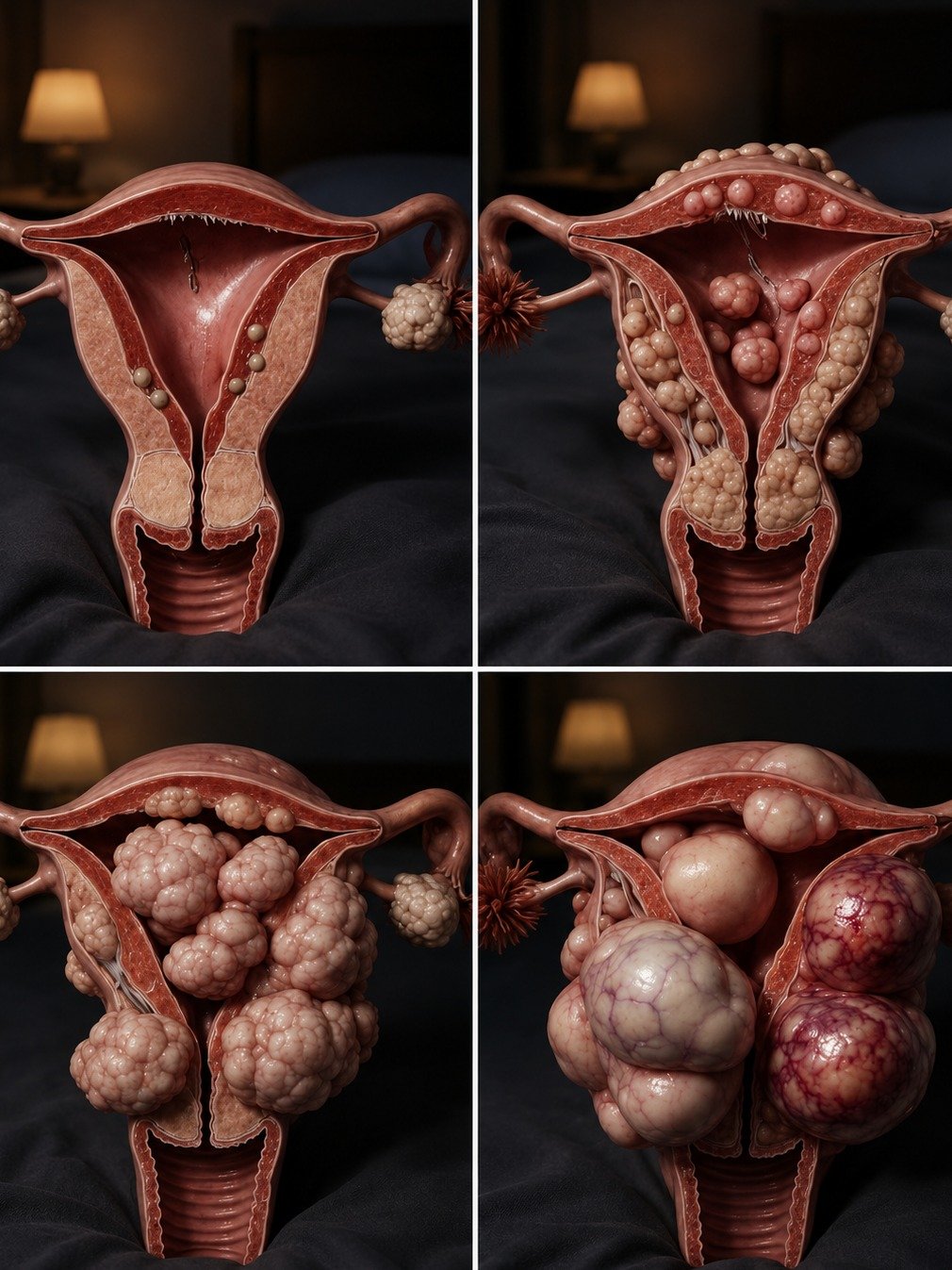
Uterine fibroids are benign (non-cancerous) growths composed of muscle and fibrous tissue that develop either within or around the uterus. Their size can vary dramatically, from tiny, almost imperceptible seed-like nodules to large masses capable of significantly altering the uterus’s natural shape.
While some women may experience no noticeable symptoms at all, many others contend with a range of distressing issues, including:
- Heavy menstrual bleeding
- Excruciatingly painful cramps
- Frequent urges to urinate
- A constant feeling of pelvic pressure
- Persistent lower back pain
- Discomfort or pain during sexual intimacy
- Issues with constipation
- Fatigue, often due to significant blood loss
- Challenges with conception or maintaining a pregnancy
A critical factor in fibroid development and growth is their strong sensitivity to hormones, particularly estrogen and progesterone.
Understanding the Different Sizes and Stages of Fibroids
While fibroids don’t progress through