 By admin
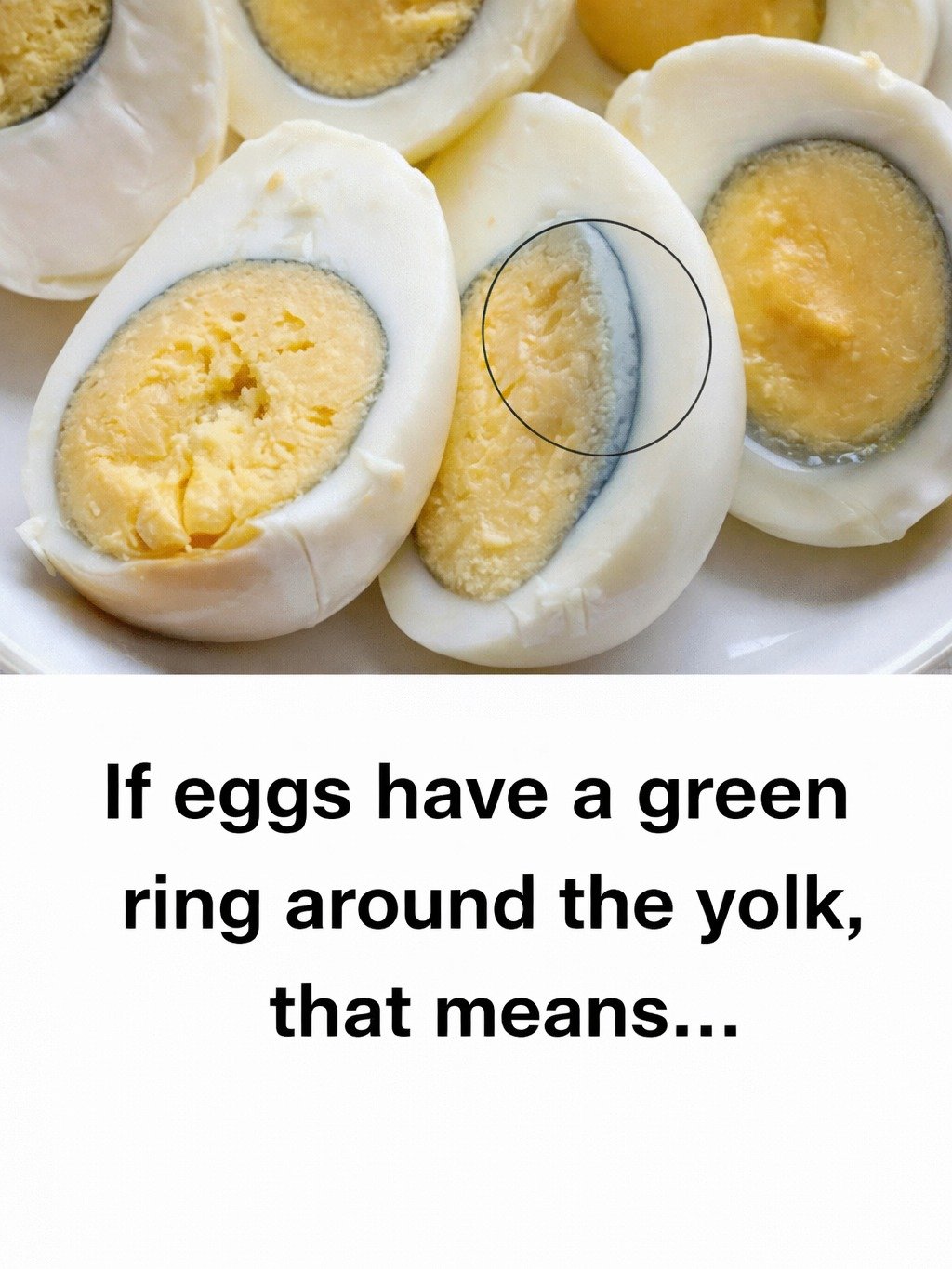
Ever cracked open a seemingly perfect hard-boiled egg, only to be met with that unsightly green or gray ring encircling the yolk? Don’t panic – you’re absolutely not doing anything wrong in the kitchen. This incredibly common color transformation is completely harmless and actually reveals a fascinating chemical process happening right inside your egg.
In this comprehensive guide, we’ll dive deep into the scientific reasons why hard-boiled eggs develop a green ring, what this means for their quality and edibility, and most importantly, how to effortlessly prevent it. Get ready for expert-backed tips that will help you achieve perfectly cooked, vibrant hard-boiled eggs every single time.
🥚 Unmasking the Green Ring Around Hard-Boiled Egg Yolks
When you encounter that distinctive greenish or grayish halo surrounding the yolk of your boiled egg, you’re witnessing a natural chemical interaction between two elements present in the egg itself: iron and sulfur. Rest assured, this phenomenon is neither toxic nor indicative of an unsafe egg.
This particular discoloration tends to occur most frequently when eggs are cooked for too long or subjected to excessively high temperatures during the boiling process.
🔬 The Intriguing Science Behind This Color Transformation
The magic (or rather, the chemistry) happens because egg whites, also known as albumen, are rich in sulfur, while the yolks are a significant source of iron. When an egg is exposed to heat for an extended period, these two elements begin to interact in a specific sequence:
-
Intense heat starts to break down proteins within the egg white structure.
-
As these proteins degrade, free sulfur atoms are liberated and begin to migrate towards the egg’s center.
-
Upon reaching the yolk, these sulfur atoms readily meet and bind with the iron present there.
-
This chemical union results in the formation of iron sulfide (FeS), which is precisely the greenish-gray compound we observe.
This distinct layer of iron sulfide forms precisely at the interface where the yolk and white meet, manifesting as that characteristic green ring.
👉 Despite its unusual appearance, it’s crucial to remember that iron sulfide poses absolutely no health risk. Its presence merely signals that your egg experienced a slightly prolonged cooking time or was cooked at a higher temperature than ideal.
🍳 Why This Phenomenon is More Common in Hard-Boiled Eggs
Hard-boiled eggs, by their very nature, require thorough cooking — resulting in a completely firm white and a solid, set yolk. This means they are exposed to heat for a considerably longer duration compared to their soft-boiled or gently poached counterparts.
Several key factors significantly increase the likelihood of that green ring making an appearance:
-
Excessive Cooking Time (Overcooking): The longer the heat exposure, the more time sulfur and iron have to react.
-
Boiling at Very High Temperatures: Intense heat accelerates the chemical reactions.
-
Using Older Eggs: As eggs age, the whites can become weaker, potentially facilitating the reaction.
-
Skipping the Immediate Cooling Step After Boiling: Residual heat continues to cook the egg.
Ultimately, the extended duration an egg spends cooking directly correlates with the amount of sulfur and iron that react, leading to a more pronounced and noticeable green ring.
🕒 Your Guide to Boiling Eggs Without Any Green Ring
Dreaming of beautifully cooked eggs with perfectly golden yolks every single time? Implement these straightforward, science-backed tips:
✅ 1. Embrace Gentle Heat
Always begin by placing your eggs in cold water, then gradually bring it to a gentle simmer, rather than a rolling, rapid boil. This gentler approach significantly slows down the protein breakdown in the egg white, minimizing sulfur release.
✅ 2. Master the Art of Not Overcooking
Precise timing is paramount. Depending on the size of your eggs and your desired consistency:
-
For soft-boiled perfection: Aim for approximately 4–6 minutes.
-
For a medium-set yolk: Target around 7–9 minutes.
-
For a classic hard-boiled egg: Stick to roughly 10–12 minutes.
Crucially, remove your eggs from the heat source immediately once they’ve reached your preferred doneness.
✅ 3. Implement Rapid Cooling
As soon as your eggs are done boiling, plunge them into a refreshing ice water bath. This swift cooling process offers multiple advantages:
-
It instantly halts the cooking process, preventing further chemical reactions.
-
It helps maintain the vibrant, bright color of both the yolk and the white.
-
It remarkably simplifies the peeling process, making it a breeze!
✅ 4. Understand Egg Age Dynamics
While extremely fresh eggs can sometimes be notoriously difficult to peel, paradoxically, slightly older eggs might actually be *less* prone to developing prominent green rings. This is because older eggs often have larger air pockets, which can contribute to more even cooking. Regardless of egg age, simply adjust your boiling time slightly for optimal results.
🥗 Does That Green Ring Impact Taste or Safety? The Verdict!
Absolutely not — that green ring is purely a cosmetic issue, nothing more.
-
On Taste: Your egg will taste exactly as it should – perfectly normal and delicious.
-
On Safety: There is zero health risk associated with consuming an egg with a green ring.
-
On Nutrition: All the essential nutrients within the egg remain completely intact and unaffected.
So, if your hard-boiled egg happens to sport a green rim, don’t hesitate — go right ahead and savor every bite!
🍽️ Final Thoughts: Achieve Perfect Eggs Every Single Time
While the green ring around hard-boiled eggs might appear a bit strange, remember it’s simply a harmless, natural chemical reaction triggered by heat. By implementing simple techniques like using gentle heat during cooking and rapidly cooling your eggs afterward, you can effortlessly prevent this discoloration and consistently enjoy eggs that are not only visually appealing but also incredibly delicious.
Whether you’re whipping up a batch of creamy egg salad, crafting elegant deviled eggs, or simply grabbing a nutritious snack, understanding this basic scientific principle empowers you to cook with absolute confidence and achieve egg-cellent results every time.