 By admin
 Are you battling persistent fungal infections, desperately scrolling through countless online posts promising ‘miracle’ natural cures? You’re not alone. While the internet is rife with advice on quick fixes for everything from athlete’s foot to stubborn nail fungus, it’s crucial to separate fact from fiction and understand what truly works and when professional medical intervention is non-negotiable.
While certain natural ingredients can indeed offer supportive benefits for hygiene and alleviate minor symptoms, it’s a critical distinction: many fungal infections demand targeted, prescription-strength antifungal medication to be truly eradicated.
At their core, fungal infections develop when specific types of fungi find a hospitable environment to flourish on your skin or nails. These unwelcome guests manifest in several common forms, such as:
- Athlete’s foot (tinea pedis), a notorious culprit.
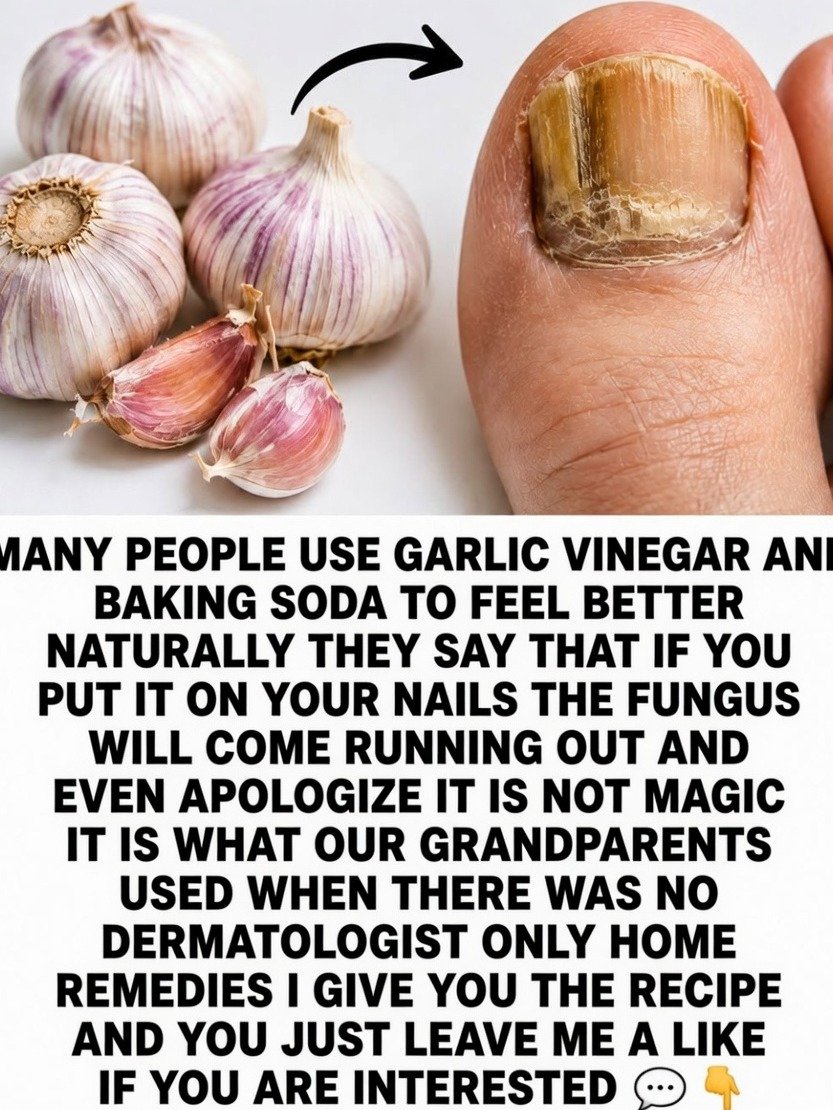
- Onychomycosis, commonly known as nail fungus, causing discoloration and brittleness.
- Ringworm (tinea corporis), despite its name, is a fungal infection, not a worm.
- Various skin yeast infections, often found in skin folds.
Unmasking the Common Culprits Behind Fungal Infections
- Thriving in warm, moist environments, making sweaty areas prime targets.
- Suboptimal foot hygiene, allowing fungi to linger and multiply.
- Wearing tight, non-breathable shoes that trap moisture.
- Excessive sweating, creating the perfect damp habitat for fungi.
- A compromised or weakened immune system, making your body less able to fight off invaders.
Natural Ingredients: What They Are (and Aren’t) Good For
While not curative, certain natural products have long been embraced in traditional practices for their potential supportive roles in skin care. Here are a few you might encounter:
Tea Tree Oil
Derived from the Australian melaleuca tree, Tea tree oil is widely recognized and utilized in topical applications for its reputed antimicrobial properties.
Garlic
This pungent kitchen staple, Garlic, contains a compound called allicin, which has been investigated in laboratory research for its potential antimicrobial activity.
Aloe Vera
Renowned for its calming effects, Aloe Vera gel is often applied to help soothe and reduce irritation on affected skin.
The Crucial Reality Check: What You *Must* Understand
❌ The Hard Truth: Natural Remedies Are NOT a Reliable Cure for Fungal Infections
It’s a common misconception, but the vast majority of fungal infections demand proper, medically-approved antifungal medications for effective treatment and eradication.
❌ Home Remedies Often Fail to Penetrate Deeply Enough to Target the Infection
This is particularly true for stubborn cases like nail fungus, where the infection resides deep within the nail bed, far beyond the reach of surface-level home applications.
❌ Postponing Professional Treatment Can Significantly Worsen Your Condition
Without prompt and appropriate intervention, fungal infections have a tendency to spread, potentially causing more widespread discomfort and making them even harder to treat later.
The Gold Standard: Proven Medical Treatments That WORK
When it comes to effectively combating fungal infections, healthcare professionals typically prescribe and recommend:
- Topical antifungal creams, gels, or ointments for localized infections.
- Potent oral antifungal medications, often necessary for more severe or widespread infections, including nail fungus.
- Specialized medicated powders or sprays, particularly useful for managing moisture and preventing recurrence in areas like the feet.
Unlike anecdotal home remedies, these medical treatments have undergone rigorous clinical testing and are proven to be highly effective in eradicating fungal pathogens.
Essential Hygiene Practices to Support Healing and Prevent Recurrence
- Always ensure your skin, especially in susceptible areas, remains thoroughly dry and impeccably clean.
- Swap out your socks daily, opting for moisture-wicking materials to keep feet dry.
- Choose breathable shoes made from natural materials to allow air circulation and reduce moisture buildup.
- Strictly avoid sharing personal items like towels or footwear, as these can easily spread fungal spores.
- Gently wash affected areas regularly with soap and water, then pat completely dry.
Fuel Your Defense: Foods That Fortify Your Immune System
A robust and well-functioning immune system is your body’s best defense against infections, including fungal ones. Incorporating these immune-boosting foods can help support your overall health:
- Vitamin C-rich citrus fruits, such as
Oranges, grapefruits, and lemons, known for their antioxidant power. - Nutrient-dense leafy greens like
Spinach, kale, and collard greens, packed with vitamins and minerals. - Antioxidant-packed berries, including
Blueberries, strawberries, and raspberries, which contribute to cellular health.
Don’t Delay: When It’s Time to Consult a Doctor
While good hygiene and supportive measures are important, it’s crucial to seek professional medical attention if you notice any of the following:
- The infection shows signs of spreading rapidly or worsening despite your best efforts.
- Your nails become noticeably thick, brittle, or discolored, indicating a deeper fungal issue.
- You experience significant pain, swelling, redness, or pus around the affected area.
- There is no noticeable improvement in your condition after a reasonable period of diligent home care.
Busting the Biggest Myths About Fungal Infections
Myth #1: Natural Remedies Can Completely Eradicate All Fungi
Despite widespread claims, this assertion lacks robust scientific evidence and has not been consistently proven in controlled clinical settings.
Myth #2: Fungal Infections Will Simply Disappear On Their Own
While some very mild cases might resolve, many fungal infections, particularly those affecting nails or larger skin areas, can persist or even significantly worsen without proper medical intervention.
Myth #3: Potent Odors or Household Vinegar Are Guaranteed Fungus Cures
Despite popular belief, strong-smelling substances or common kitchen ingredients like vinegar are not considered reliable or scientifically proven treatments for fungal infections.
Your Path to Clear Skin: Final Thoughts and Key Takeaways
To reiterate, while natural ingredients can certainly play a supportive role in maintaining skin comfort and hygiene, it is imperative to understand that most persistent fungal infections necessitate appropriate antifungal treatment for complete and lasting recovery. Prioritizing early intervention and utilizing the correct medication stands as the most effective strategy to prevent potential complications and ensure a successful outcome.
Ultimately, achieving the best possible results and preventing recurrence involves a comprehensive approach: diligent hygiene practices, proven medical treatment when needed, and a foundation of healthy lifestyle habits to bolster your body’s natural defenses.