 By admin
 What if everything you thought you knew about garlic’s incredible microbe-fighting abilities was only half the story? It’s true that fresh garlic isn’t just a flavor enhancer; the moment you crush or chop it, a powerful biochemical reaction ignites, transforming alliin into allicin – a sulfur-rich compound that unleashes a microbial assault so intense, it’s like a fire alarm blaring in a confined space.
That unmistakable sharp bite in your nose, the fiery tingle on your tongue from raw garlic, and that persistent aroma clinging to your fingers for hours are all undeniable signs of this potent chemistry in action. Within the controlled environment of a lab dish, this very chemistry demonstrates an almost unbelievable ability to dismantle bacteria and fungi.
It’s no wonder then that viral social media posts paint such a dramatic picture: claims of garlic single-handedly eradicating fourteen bacteria and thirteen infections, transforming a humble kitchen clove into a superhero. These promises are designed to capture your immediate attention. However, the true narrative is far more captivating, precisely because garlic’s actions in a Petri dish diverge significantly from its behavior within the complex environment of a living human body.
And this critical distinction is where the true understanding of its mechanism becomes surprisingly nuanced.
Unleashing the Allicin Strike
Simply crushing a garlic clove initiates a remarkable biochemical chain reaction. The protective cells within the clove rupture, allowing the enzyme alliinase to rapidly encounter its precursor, alliin. In an instant, allicin is generated – much like a sophisticated security system activating the very moment an unauthorized entry is detected.
Imagine a heavily soiled furnace filter, completely choked with layers of grime and soot. Now visualize a powerful gust of hot air tearing through it, violently dislodging the buildup and revealing every previously blocked crevice. This vivid analogy perfectly illustrates the profound disruptive force allicin exerts upon susceptible microbes.
Allicin doesn’t merely ‘support’ your health in a gentle way; it actively dismantles the fundamental mechanisms microbes rely on for their very survival. This aggressive action is precisely why the distinct, potent aroma of garlic feels like a formidable weapon long before its compounds ever permeate your bloodstream.
However, here lies the crucial detail often overlooked: the very potency that makes raw garlic so effective in vitro is also the reason its effects don’t seamlessly transfer from a sterile lab dish to the intricate environment of the human body. The critical question then becomes: how much of this powerful compound actually survives the arduous journey through your digestive system?
The vast wellness industry thrives on simplicity and viral headlines, not complex scientific explanations. A bold statement like ‘Garlic kills 14 bacteria’ is effortlessly shareable and instantly appealing. In contrast, the nuanced reality – that ‘Garlic’s active compounds are highly volatile, rapidly transforming, degrading, and exhibiting varied behaviors based on preparation methods’ – simply doesn’t condense into a catchy, shareable social media graphic.
This disparity is precisely why the internet often perpetuates a simplified fantasy, while the intricate biological truths remain largely obscured, despite being readily available. The inconvenient truth is straightforward: the most affordable and accessible solutions frequently receive the least attention, even when they possess the most powerful underlying chemistry.
While the humble garlic clove undoubtedly possesses immense power, raw potency alone doesn’t guarantee desired outcomes. The next crucial factor is understanding precisely where garlic’s active compounds first exert their influence within the body – and this revelation often defies common expectations.
The Body’s Unique Response: Where Garlic Makes Its Presence Known
From the moment it enters your mouth and continues through the upper digestive tract, garlic can create an almost electric sensation. That characteristic raw, pungent intensity serves as an immediate indicator that its sulfur compounds are engaged in far more than merely flavoring your meal – they are actively interacting with your body’s tissues, enzymes, and the diverse microbial populations residing within.
For individuals grappling with a persistent scratchy throat, tenacious congestion, or that unmistakable heavy sensation hinting at an impending illness, garlic can feel like a powerful, direct force, effectively cutting through the oppressive fog. It’s neither gentle nor subtle; instead, its impact is akin to suddenly flinging open a window in a room that has remained sealed for weeks, bringing a rush of fresh, invigorating air.
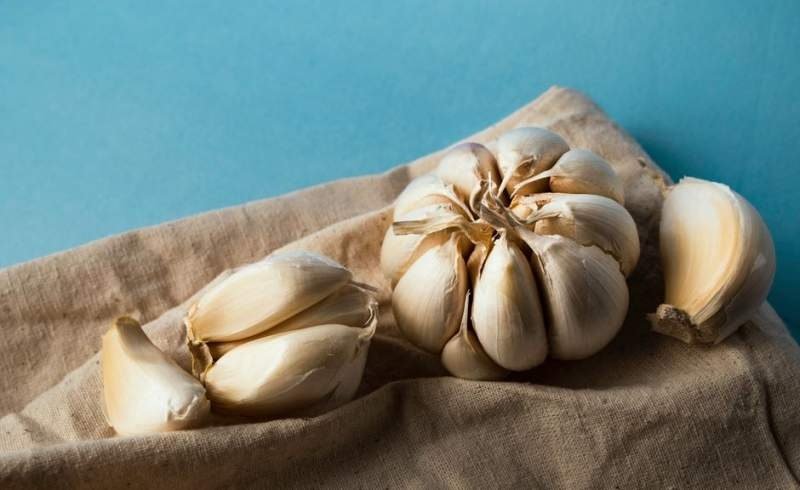
This is that moment of undeniable recognition: a sensation you’ve likely experienced before. Your eyes might water, your breath takes on a distinct quality, your mouth retains a lingering heat, and suddenly, your entire body feels a heightened sense of alertness that no amount of bland food could ever possibly evoke.
However, the journey into the intestines introduces a layer of significant complexity. For garlic’s beneficial compounds to exert any meaningful effect further down the digestive tract, they must first withstand the harsh gauntlet of stomach acid, digestive enzymes, and the entire process of digestion. This crucial factor means that the way garlic is prepared is just as vital as the plant itself.
Whether you meticulously slice it, vigorously crush it, or allow it to rest briefly, each action fundamentally alters its delicate chemistry. Neglecting these essential preparatory steps can significantly diminish the very compounds people believe they are consuming. It’s an apt comparison to purchasing a flashlight with depleted batteries and then unfairly blaming the darkness for failing to dissipate.
This seemingly minor preparation detail is the stark difference between a garlic clove that delivers its potent therapeutic punch and one that merely serves as a culinary ingredient. The next insight reveals precisely why certain individuals experience tangible benefits, while others primarily register its distinct aroma.
Garlic’s True Impact: Where It Delivers and Where the Hype Fails
Garlic’s genuine value manifests as a supportive, yet modest, intervention. It offers a gentle assist against the common cold, provides a complementary boost when used alongside antibiotics for Helicobacter pylori infections, and contributes to broader, subtle effects that can quietly enhance the overall internal environment of your body.
For anyone who starts their day feeling bloated, congested, and already struggling before even having breakfast, these subtle benefits are profoundly significant. The body begins to feel less like a sluggish, clogged sink and more like water effortlessly flowing through a clear pipe, rather than stagnating at the bottom.
This represents a tangible form of relief: not a miraculous cure or a fantastical promise, but simply a cleaner, more optimized internal environment and a heightened awareness that the food we consume can genuinely contribute to our well-being beyond mere sustenance.
Crucially, garlic should never be considered a substitute for prescription antibiotics when a serious infection has firmly taken root. Conditions such as pneumonia, severe urinary tract infections, pervasive skin infections, or life-threatening sepsis are not scenarios where increasing garlic intake is the solution. These demand immediate and appropriate medical treatment from healthcare professionals.
This is the fundamental contradiction that social media platforms often conveniently ignore: the very ingredient that justifiably earns acclaim in controlled lab studies does not magically transform into a universal cure-all in the complexities of the real world. The human body is emphatically not a Petri dish, and perpetuating this misconception is precisely how misleading health advice propagates more rapidly than any bacterial infection.
The honest truth lies in embracing fresh garlic, properly crushed, and utilized with informed respect. It’s not about fabricated statistics or sensationalized miracle headlines. It’s simply a potent little clove, brimming with genuine chemistry, yet operating within clearly defined biological boundaries.
A common pitfall is that most individuals inadvertently sabotage garlic’s powerful effects right from the start, mistakenly treating it as a mere garnish rather than acknowledging it as a potent biochemical catalyst. They chop it, immediately expose it to intense heat, and then are left wondering why its distinctive therapeutic “punch” has completely vanished.
This prevalent habit of applying high heat can effectively neutralize the very compounds responsible for garlic’s most compelling properties, leaving you with only its aroma but none of its true potency. The next crucial insight involves understanding the impact of pairing garlic with specific foods – as certain combinations can significantly amplify its effects, while others can completely suppress them.
Please note: This article is provided strictly for informational purposes and should not be considered a substitute for professional medical advice. Always consult with your healthcare provider for personalized guidance regarding your health and treatment options.