 By admin
 Imagine waking up to cleaner, fresher air, all thanks to a plant that practically cares for itself. The Snake Plant (Sansevieria trifasciata), affectionately known as Mother-in-Law’s Tongue, has captured hearts globally as one of the most beloved indoor plants. Beyond its stunning green leaves edged with vibrant yellow and its remarkably easy-going nature, this resilient botanical wonder offers far more than mere aesthetic appeal to your living space.
This iconic plant is widely celebrated for its remarkable ability to purify indoor air and significantly enhance environmental quality within homes. Intriguingly, in various traditional wellness systems, certain communities have explored using specific parts of the plant in homemade remedies, particularly those aimed at supporting respiratory comfort. However, it’s crucial to understand that while these traditional applications exist, robust scientific evidence confirming their medicinal efficacy remains limited, and the plant should never be considered a substitute for professional medical advice or treatment.
What Is a Snake Plant?
The Snake Plant is an esteemed member of the Asparagaceae family, originating from the lush landscapes of West Africa. Today, it stands as a highly sought-after ornamental houseplant, cherished for a multitude of reasons, including its:
- Visually appealing, upright foliage
- Exceptional drought tolerance
- Effortless upkeep
- Capacity to flourish in indoor settings
- Proven air-purifying capabilities
It’s these unique characteristics that have elevated the snake plant to a ubiquitous presence in homes, offices, and diverse indoor environments globally.
Among the most compelling reasons to welcome a snake plant into your space is its significant contribution to enhancing indoor air quality.
Helps Reduce Indoor Pollutants
Scientific investigations have indicated that certain indoor plants, including the snake plant, possess the ability to absorb and break down specific airborne pollutants commonly found lurking in our homes and workplaces. These include:
- Formaldehyde
- Benzene
- Xylene
- Trichloroethylene
These volatile organic compounds (VOCs) are known contributors to indoor air pollution, potentially causing irritation to the respiratory system, particularly in individuals who are more sensitive.
Releases Oxygen at Night
What truly sets the snake plant apart from many other greenery options is its unique ability to perform a specialized form of gas exchange, known as Crassulacean Acid Metabolism (CAM), which allows it to continue releasing oxygen even after the sun goes down.
This extraordinary characteristic makes it an exceptionally popular and beneficial addition to bedrooms and other sleeping environments.
Supports a Healthier Indoor Environment
While no single plant can completely eliminate all indoor air pollutants, the snake plant serves as a valuable ally in creating a fresher, more breathable indoor environment, especially when integrated with other essential practices such as:
- Ensuring proper ventilation
- Maintaining regular cleaning routines
- Controlling indoor humidity levels
- Promoting smoke-free living spaces
Traditional Uses Related to Respiratory Wellness
Historically, in certain traditional healing practices, the leaves of the snake plant have been incorporated into various homemade preparations, often with the intention of fostering respiratory comfort and easing breathing.
These natural leaves are known to contain a variety of beneficial compounds, including:
- Saponins
- Flavonoids
- Various antioxidant compounds
While these substances are currently under investigation for their potential biological properties, it’s important to stress that more rigorous scientific research is necessary to conclusively validate any specific health benefits attributed to them.
Traditional Steam Inhalation Method
Among the traditional remedies, one particular method involves using snake plant leaves for steam inhalation.
Ingredients
- 4–5 fresh snake plant leaves
- 1 liter of water
Instructions
- Wash the leaves thoroughly.
- Cut them into small pieces.
- Add them to a pot containing 1 liter of water.
- Boil for approximately 10 minutes.
- Remove from heat.
- Carefully inhale the steam while maintaining a safe distance from the hot water.
Traditional Purpose
This age-old practice has historically been employed to:
- Encourage nasal comfort
- Facilitate easier and more open breathing
- Assist in loosening accumulated mucus
- Cultivate an overall soothing sensation for the respiratory system
Nevertheless, it is important to remember that the perceived benefits of these practices are largely rooted in traditional use and lack validation from established clinical evidence.
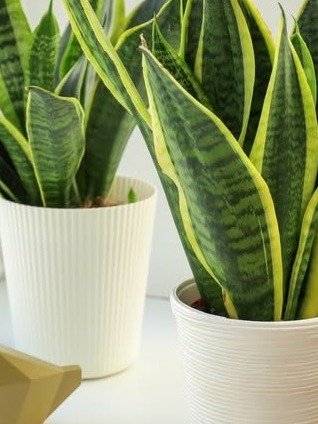
Benefits of Keeping a Snake Plant in the Bedroom
Many individuals thoughtfully choose to incorporate snake plants into their bedrooms, recognizing them for their multiple advantages:
Improve Indoor Aesthetics
Their distinctly upright and architectural growth habit makes them an ideal fit for smaller areas and seamlessly complements contemporary interior designs.
Contribute to Air Quality
By actively working to diminish certain indoor pollutants, these plants can play a role in fostering a noticeably fresher and more invigorating bedroom atmosphere.
Require Minimal Maintenance
Snake plants are truly a dream for both novice and experienced plant enthusiasts alike, thriving even when faced with:
- Low light conditions
- Infrequent watering schedules
- Typical indoor environmental factors
Support Comfortable Sleep Environments
A meticulously clean, adequately ventilated bedroom, enriched by the presence of beneficial indoor plants, can undeniably contribute to fostering a more serene and restful sleeping environment.
Respiratory Wellness Tips Beyond Houseplants
Achieving optimal respiratory health extends beyond just incorporating houseplants; it requires a holistic approach that embraces a combination of mindful, healthy daily habits.
Maintain Good Indoor Air Quality
- Regularly open windows to allow fresh air circulation whenever feasible
- Utilize high-quality air filters as needed to capture particulates
- Strictly avoid smoking indoors to prevent harmful chemical buildup
- Proactively reduce the accumulation of dust and other allergens
Stay Hydrated
Consuming sufficient water is fundamental, as proper hydration plays a pivotal role in supporting the normal and efficient function of your respiratory system.
Manage Allergens
Diligent efforts to minimize your exposure to common irritants like dust mites, mold spores, and pollen can significantly help in maintaining respiratory comfort and reducing symptoms.
Seek Medical Care When Needed
Any persistent or concerning respiratory symptoms should always prompt an immediate evaluation by a qualified and trusted healthcare professional for proper diagnosis and treatment.
Safety Considerations
While snake plants are generally considered safe when used purely as decorative ornamental plants, it is imperative to be aware of and adhere to certain important precautions to ensure well-being.
Do Not Consume Large Quantities
It is critical to understand that snake plant leaves contain natural compounds that, if ingested in significant amounts, could potentially lead to digestive upset and irritation.
Keep Away from Pets
Pet owners should exercise caution, as snake plants are considered mildly toxic to both cats and dogs if they happen to chew on or consume any part of the plant.
Use Caution With Home Remedies
Remember that any traditional herbal preparations should be approached with prudence and are never intended to replace the invaluable advice or prescribed treatments from a professional medical doctor.
Consult a Healthcare Professional
Individuals who are experiencing ongoing sinus issues, chronic respiratory conditions, or any persistent and unexplained symptoms should always prioritize seeking a thorough medical evaluation from a qualified healthcare provider.
Final Thoughts
The Snake Plant (Sansevieria trifasciata) truly stands out as a remarkably versatile and visually appealing houseplant, highly prized for its documented air-purifying capabilities and its remarkably easy-care nature. While traditional practices have historically linked this plant to supporting respiratory wellness, its most widely recognized and scientifically established benefit remains its significant contribution to cultivating a healthier, more refreshing indoor environment.
By thoughtfully incorporating snake plants into your home, alongside maintaining excellent ventilation, practicing healthy lifestyle habits, and securing professional medical care when necessary, you can effectively work towards creating a living space that is not only more comfortable but also genuinely invigorating and refreshing.