 By admin
Introduction
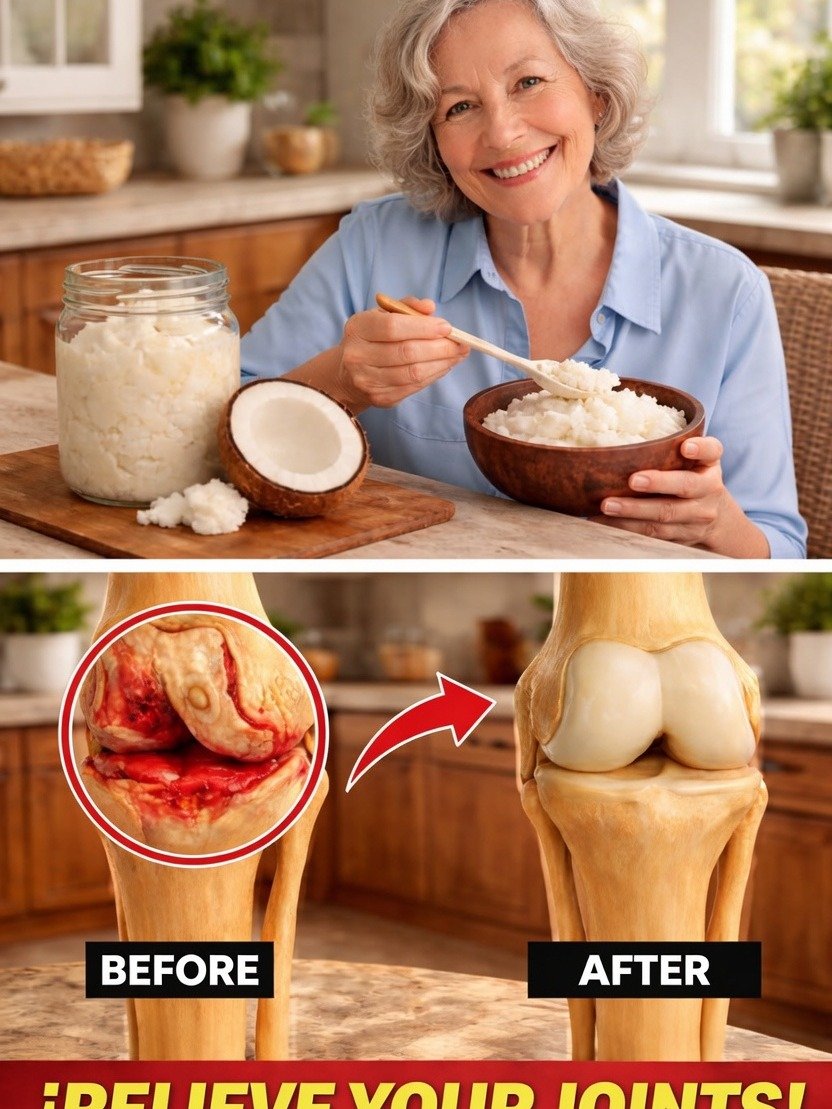
Imagine a world where a single meal could magically erase years of knee pain, rebuilding worn-out cartilage as if new. Sounds like a dream, right? Well, countless viral articles and health gurus are peddling exactly that promise, claiming one specific food holds the secret to naturally regenerating your knee cartilage – often pointing to collagen-rich options like bone broth.
Knee discomfort is a widespread issue globally, impacting everyone from the elderly and dedicated athletes to those with less active lifestyles. At the very core of this persistent problem often lies cartilage damage, a condition that severely limits mobility, diminishes life quality, and poses significant long-term threats to joint health.
But can a single dietary item truly reverse such complex damage? Is it genuinely possible for one food to rebuild cartilage, or are we simply falling for another oversimplified wellness myth?
In this in-depth exploration, we will uncover:
- What exactly knee cartilage is and the reasons behind its deterioration
- The crucial role nutrition plays in the context of cartilage repair
- The scientific truth regarding collagen and these so-called “miracle foods”
- The current scientific evidence supporting or refuting cartilage regeneration
- The most effective dietary approaches for optimal joint health
Understanding Knee Cartilage
What Is Cartilage?
Cartilage is a unique, flexible connective tissue that forms a protective layer over the ends of bones within your joints. Specifically in the knee, it functions as a vital cushion, enabling fluid, painless movement and expertly absorbing the impact of everyday activities.
Key Functions:
- Minimizes friction between bones
- Effectively absorbs mechanical impact
- Facilitates seamless joint movement
Why Cartilage Damage Happens
A crucial point to understand is that, unlike many other tissues in your body, cartilage possesses a remarkably limited capacity for self-repair.
Common Causes:
- Natural aging process
- Development of osteoarthritis
- Acute injury or significant trauma
- Excess body weight (obesity)
- Sustained repetitive stress on joints
When cartilage begins to break down, the consequences are clear:
- Persistent pain
- Noticeable stiffness
- Significantly reduced mobility
The Viral Claim: Can One Food Truly Regenerate Cartilage?
As you’ve likely seen, a multitude of articles enthusiastically proclaim that a single dietary item—most frequently bone broth or other collagen-rich foods—possesses the remarkable ability to regenerate knee cartilage.
Let’s peel back the layers and examine these claims through a scientific lens.
The Critical Role of Collagen in Cartilage
The structural integrity of cartilage is predominantly built upon Type II collagen, a robust protein that endows cartilage with its essential structure and elasticity.
Why Collagen Matters:
- It forms the fundamental framework of cartilage tissue
- It is vital for maintaining overall joint stability
- It actively supports the intricate processes of tissue repair
Scientific Evidence on Collagen and Cartilage
While research on collagen is ongoing, it reveals promising, yet not entirely conclusive, findings:
- Some studies indicate that collagen supplements might contribute to cartilage repair and could help alleviate symptoms associated with osteoarthritis
- Certain collagen peptides have demonstrated the ability to reach joint tissues and exert protective effects within the joint
- However, robust, definitive evidence supporting complete cartilage regeneration remains limited
👉 Simply put:
Collagen can certainly offer support and protection to existing cartilage, but it should not be seen as a guaranteed “regeneration cure.”
The “One Food” Explained: Bone Broth and Collagen-Rich Foods
The food most frequently highlighted for its supposed cartilage-repairing capabilities is:
Bone Broth
Bone broth is traditionally prepared by simmering animal bones and their associated connective tissues over extended periods, extracting their beneficial compounds.
Nutrients Found in Bone Broth:
- Collagen
- Gelatin
- Key amino acids (such as glycine, proline)
- Essential minerals (including calcium, magnesium)
Why Bone Broth Is Popular
It is widely believed to:
- Supply foundational building blocks for cartilage
- Possess properties that reduce inflammation
- Contribute to improved joint lubrication
Does Bone Broth Really Regenerate Cartilage?
The Truth:
✔ It does supply beneficial nutrients vital for cartilage health
✔ It can indeed offer support for overall joint well-being
❌ It does NOT, however, directly rebuild severely damaged cartilage tissue
The process of cartilage regeneration is an incredibly intricate biological feat that simply cannot be achieved by relying on a single food item alone.
Other Key Nutrients for Cartilage Repair
Experts universally agree that a synergistic combination of various nutrients—rather than just one food—is absolutely essential for cartilage health and potential repair.
1. Vitamin C
- Crucial for the synthesis of collagen
- Actively supports the repair of tissues
2. Omega-3 Fatty Acids
- Known to effectively reduce inflammation
- Provide protective benefits for cartilage
3. Glucosamine
- Plays a role in supporting cartilage structure
- May potentially help slow down degeneration
Emerging research indicates that glucosamine can stimulate the production of vital cartilage components, including collagen and aggrecan
4. Chondroitin
- Assists cartilage in retaining essential water
- Contributes to improved elasticity of the tissue
5. Zinc and Copper
- Crucial for overall tissue repair processes
- Support the body’s natural collagen production
Can Cartilage Actually Regenerate?
The Reality of Cartilage Healing
The challenging truth is that cartilage possesses:
- No direct blood supply
- Extremely limited capacity for cell regeneration
These factors combine to make natural healing an exceptionally slow and arduous process.
What Science Says
- While some medical treatments can effectively improve symptoms and slow further damage,
- Genuine, full cartilage regeneration is still a primary focus of ongoing research.
-
Cutting-edge advanced therapies currently under development include:
- Innovative stem cell therapy
- Advanced tissue engineering techniques
The Indispensable Role of Diet in Joint Health
Although no single food is a magic bullet, your overall diet plays an absolutely critical role in supporting joint health.
Recommended Foods:
- Fatty fish (e.g., salmon, sardines) for Omega-3s
- Abundant leafy greens
- Vitamin C-rich citrus fruits
- Various nuts and seeds
- Nutrient-dense bone broth
Proper nutrition diligently supplies the vital building blocks necessary for repair and maintenance, even if it doesn’t directly rebuild cartilage from scratch.
Lifestyle Factors That Outweigh Any Single Food
1. Regular Exercise
Engaging in low-impact exercises helps to:
- Strengthen surrounding muscles
- Provide critical support for joints
- Significantly improve overall mobility
2. Effective Weight Management
Carrying excess body weight places undue and increased pressure on your knee joints, accelerating wear and tear.
3. Consistent Hydration
Given that cartilage is primarily composed of water, maintaining proper hydration is absolutely essential for its health and function.
4. Adequate Sleep and Recovery
Your body performs its most crucial repair and restorative work during periods of restful sleep.
Common Myths About Cartilage Regeneration Debunked
Myth 1: One Specific Food Can Magically Heal Your Knees
❌ False.
Truly effective cartilage repair and maintenance demand a multifaceted approach involving numerous factors, not just one food.
Myth 2: Supplements Can Completely Rebuild Cartilage
❌ Not proven.
While supplements may offer benefits like reducing pain and inflammation, there’s no conclusive evidence they fully regenerate cartilage.
Myth 3: Surgery Is Always the Only Solution
❌ Not always.
Often, a combination of lifestyle adjustments and nutritional strategies can significantly help manage symptoms and improve joint health without immediate surgical intervention.
The Best Natural Strategy for Optimal Knee Cartilage Health
Instead of placing all your hope on a single food, the most effective approach involves combining:
Dietary Choices:
- Include collagen-rich foods
- Prioritize anti-inflammatory nutrients
Lifestyle Habits:
- Engage in regular, appropriate exercise
- Maintain a healthy body weight
Medical Support:
- Seek professional diagnosis
- Follow appropriate medical treatment plans
Who Can Truly Benefit from These Strategies?
- Individuals experiencing early stages of osteoarthritis
- Athletes who regularly place stress on their joints
- Aging adults seeking to preserve joint function
- Anyone currently experiencing knee pain or discomfort
When to See a Doctor
It is crucial to seek professional medical attention if you experience any of the following:
- Persistent and unrelenting pain
- Noticeable swelling around the joint
- Significantly limited range of movement
SEO Keywords Used
- Knee cartilage regeneration
- Foods for joint health
- Bone broth benefits
- Natural remedies for knee pain
- Collagen for joints
- How to repair cartilage naturally
Final Verdict
The popular notion that a single food can magically regenerate knee cartilage is, unfortunately, a misleading one.
What’s True:
✔ Specific foods can indeed provide vital support for cartilage health
✔ Collagen undeniably plays an important structural and supportive role
✔ A well-balanced diet and targeted nutrition can effectively help reduce inflammation
What’s Not True:
❌ A solitary food item possesses the power to fully repair or rebuild damaged cartilage
❌ Instant or rapid recovery from cartilage damage is a realistic expectation
Conclusion
Knee cartilage damage is a profoundly complex medical condition that demands a comprehensive and integrated approach for effective management. While certain foods, like bone broth and other collagen-rich options, can certainly contribute positively to overall joint health, it’s crucial to understand they are not standalone miracle cures capable of full regeneration.
Genuine, sustained recovery and optimal joint health are built upon a strategic combination of:
- Thoughtful, balanced nutrition
- Consistent healthy lifestyle habits
- Appropriate and timely medical care when necessary
By truly understanding the scientific realities behind cartilage health and regeneration, you are empowered to make smarter, more informed, and ultimately safer choices for the long-term well-being of your joints.