 By admin
 Ever felt a small, soft lump just beneath your skin and wondered what on earth it was? You’re not alone! These mysterious bumps, often sebaceous cysts, might seem alarming, but most are harmless and incredibly common, growing slowly over time. Knowing what triggers these cysts and how to properly care for them can significantly reduce discomfort and prevent potential complications.
In this comprehensive guide, we’ll demystify what sebaceous cysts truly are, explore their primary causes, identify key symptoms, and share practical, safe home care strategies that can help you manage them effectively.
What Exactly Is a Sebaceous Cyst?
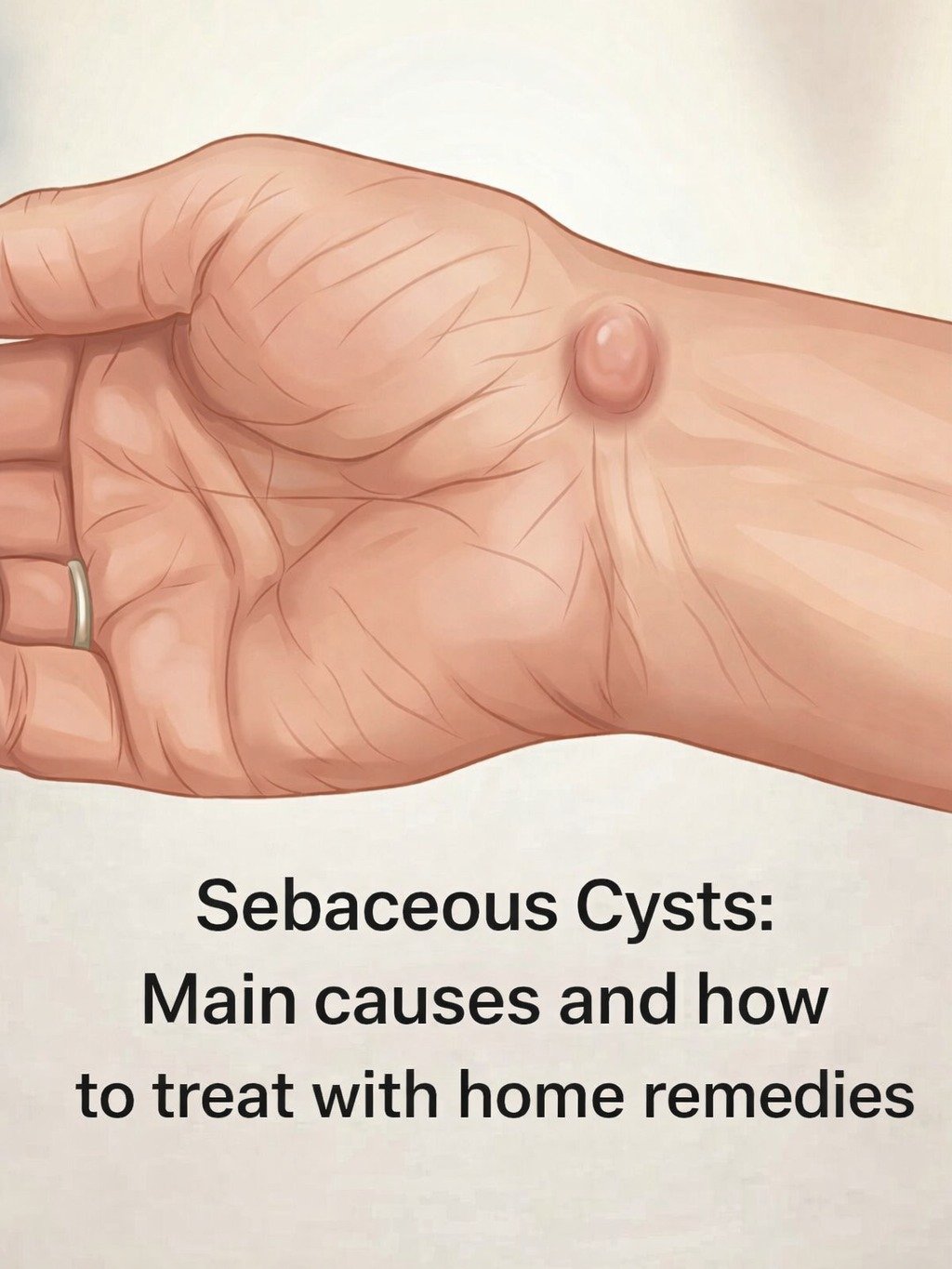
A sebaceous cyst, frequently referred to as an epidermoid cyst, is essentially a small, benign sac that forms just beneath the skin’s surface. This sac becomes filled with a thick, oily, or semi-solid substance, most commonly keratin or sebum. These cysts typically present as distinct, round, and often movable bumps that develop gradually over time.
While they can emerge virtually anywhere on the body, sebaceous cysts are most commonly observed in areas abundant with oil glands, including:
-
The face
-
The neck
-
The scalp
-
The back
-
The chest
-
The groin area
The vast majority of sebaceous cysts are benign, meaning they are non-cancerous, and may remain stable and unchanged for many years. However, it’s crucial to note that they can sometimes become inflamed or even infected, leading to discomfort.
Sebaceous cysts typically originate when a hair follicle or one of the skin’s sebaceous glands becomes obstructed or damaged, leading to an unwelcome accumulation of sebum (the skin’s natural oil) and dead skin cells beneath the skin’s surface, forming the characteristic sac.
Several key factors can contribute to this blockage and subsequent cyst formation:
1. Blocked Hair Follicles
When a hair follicle becomes congested with an excess of oil, environmental dirt, or a buildup of dead skin cells, it creates an ideal environment for a cyst to develop.
2. Skin Injuries
Any form of trauma to the skin, such as minor cuts, scrapes, surgical wounds, or even severe acne, can potentially damage hair follicles and inadvertently trap skin cells beneath the epidermal layer.
3. Excess Oil Production
Individuals who naturally have oilier skin types are often more susceptible to experiencing clogged pores, which significantly increases their likelihood of cyst formation.
4. Hormonal Changes
Fluctuations in hormone levels, particularly during pivotal life stages like adolescence or adulthood, can trigger an increase in the skin’s oil production, making cyst development more probable.
5. Genetic Factors
In some instances, certain inherited genetic conditions can predispose individuals to a higher risk of developing these types of cysts.
Recognizing Common Symptoms
Sebaceous cysts typically exhibit several clear and recognizable characteristics. The most frequently observed symptoms include:
-
A distinct small, round lump palpable just beneath the skin
-
A slow but steady growth in size over time
-
A palpable soft or sometimes firm texture
-
Occasionally, a tiny dark dot visible at the very center of the cyst
-
A yellowish or whitish, often foul-smelling, discharge if the cyst happens to rupture
-
Signs of redness, swelling, or localized pain if the cyst becomes infected
Most cysts are generally painless in their uninfected state, but any inflammation can certainly lead to significant discomfort and tenderness.
Do Sebaceous Cysts Ever Disappear on Their Own?
Yes, in some instances, sebaceous cysts can remain entirely stable for many years, or even resolve and disappear without any specific medical intervention. However, it’s equally important to understand that they are prone to becoming inflamed or infected, especially if they are irritated or, critically, if they are squeezed.
Leading dermatologists universally advise against squeezing, picking at, or attempting to ‘pop’ a cyst. Such actions can dramatically exacerbate inflammation, significantly heighten the risk of severe infection, and often result in unsightly scarring.
Effective and Simple Home Care Tips
While certain situations may necessitate professional medical treatment, there are several straightforward and effective home care strategies you can employ to help alleviate discomfort and manage sebaceous cysts.
1. Apply a Warm Compress
Gently applying a warm compress to the affected area can be incredibly beneficial. This technique helps to improve local blood circulation and can encourage the cyst to drain naturally, reducing swelling.
Here’s how to do it effectively:
-
Thoroughly soak a clean, soft cloth in warm (not hot) water.
-
Carefully apply the warm cloth directly onto the cyst for 10 to 15 minutes.
-
Repeat this process 2 to 3 times throughout the day for best results.
Consistently using this method can significantly aid in reducing localized swelling and providing relief from mild pain or tenderness.
2. Ensure the Area Stays Immaculately Clean
Maintaining impeccable hygiene around the cyst is paramount to preventing potential infections and keeping the skin healthy.
Key tips for optimal cleanliness include:
-
Gently cleanse the affected area using a mild, non-irritating soap.
-
Absolutely avoid any harsh scrubbing or vigorous rubbing, which can irritate the cyst.
-
Always ensure the skin around the cyst remains thoroughly dry and clean.
3. Resist the Urge to Squeeze or Pop the Cyst
Attempting to manually pop or squeeze a sebaceous cyst is highly discouraged. This action can inadvertently force the cyst’s contents deeper into your skin, leading to severe inflammation, pain, and a heightened risk of bacterial infection.
Instead of self-manipulation, allow the cyst to heal naturally, or if it’s causing significant concern, seek professional medical attention.
4. Minimize Skin Irritation
Certain factors, such as tight-fitting clothing or constant friction against the skin, can easily irritate sebaceous cysts and worsen their condition.
Opt for loose, breathable fabrics and consciously avoid any unnecessary rubbing or pressure on the area where the cyst is located.
When Medical Treatment Becomes Necessary
If a sebaceous cyst becomes persistently painful, shows signs of infection, or continues to grow in size, professional medical treatment may be absolutely essential. Your doctor might suggest several interventions, including:
-
Steroid injections, which can effectively reduce inflammation within the cyst
-
Antibiotics, prescribed if a bacterial infection has developed
-
Drainage procedures, where the cyst’s contents are carefully removed
-
Surgical removal, which is often the most definitive solution and can prevent future recurrences
For cysts that frequently return or cause ongoing issues, surgical removal is typically considered the most effective long-term solution.
When Should You Consult a Doctor?
It’s always advisable to consult a qualified healthcare professional or dermatologist if you observe any of the following:
-
The cyst begins to grow rapidly or changes its appearance.
-
It becomes intensely painful or tender to the touch.
-
You notice significant redness, pus, or pronounced swelling around the area.
-
The cyst exceeds approximately 5 centimeters (about 2 inches) in diameter.
-
It consistently reappears even after previous treatments.
Even though sebaceous cysts are generally harmless, consulting a doctor ensures proper diagnosis and can help rule out any other more serious underlying skin conditions.
Final Thoughts and Key Takeaways
Sebaceous cysts are indeed a very common skin concern, but fortunately, they rarely pose significant health risks. Their formation is most often linked to blocked hair follicles, excessive oil production, or minor skin injuries. While these cysts typically remain benign, diligent and proper care is crucial to prevent irritation, inflammation, or infection.
Implementing simple yet effective steps, such as applying warm compresses, maintaining excellent hygiene, and absolutely refraining from squeezing the cyst, can go a long way in managing symptoms. However, if a cyst becomes inflamed, painful, or otherwise bothersome, seeking the expert advice of a dermatologist remains the safest and most recommended course of action.