 By admin
 Decoding Your Nighttime Drool: What It Means for Your Well-being
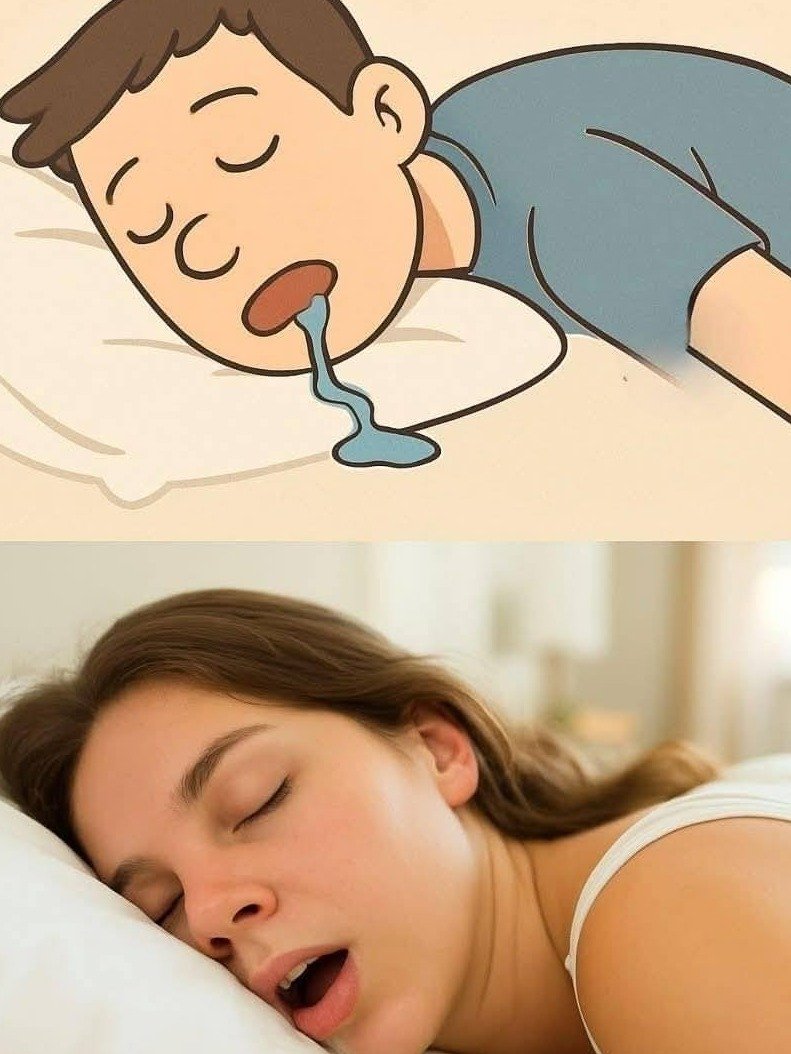
Ever wake up to a damp spot on your pillow, wondering if you’re alone in this nightly ritual? While a little drool might seem like just an embarrassing quirk, your body could actually be sending you crucial messages about your health that you simply can’t afford to miss. What many dismiss as a harmless habit could, in fact, be a subtle indicator of deeper underlying health conditions, ranging from simple sleep disruptions to more complex neurological issues. This seemingly minor annoyance might just be your body’s unique way of trying to get your attention.
Uncovering the Everyday Causes Behind Your Nighttime Drooling
The phenomenon of drooling while you sleep is far more prevalent than most people imagine. For some, it’s a sporadic event limited to quick naps, while for others, it’s a regular part of their nightly slumber. While the majority of these instances are benign, a variety of factors—encompassing medical conditions, your sleeping posture, and even lifestyle choices—can significantly contribute to this nocturnal habit:
1. Your Sleep Position
How you position yourself in bed can be a major culprit. When you sleep on your side or stomach, gravity naturally makes it simpler for saliva to escape your mouth, especially if you’re already breathing through your mouth due to nasal congestion. Additionally, the natural relaxation of your facial muscles during deep sleep further increases the chances of experiencing some drool.
2. Medication Side Effects
Did you know some medications can increase saliva? Specific prescription drugs, such as sedatives, antipsychotics, certain antibiotics, and various pain relievers, have the potential to significantly ramp up your saliva production. If this side effect becomes bothersome or impacts your sleep quality, it might be worth discussing potential adjustments with your healthcare provider.
3. Nasal Congestion
A blocked nose often leads to an open mouth, and thus, drooling. Conditions like seasonal allergies, common colds, or sinus infections can obstruct your nasal passages, compelling you to breathe through your mouth. This forced mouth breathing then naturally leads to more saliva escaping. Thankfully, this cause is typically temporary and subsides once your congestion clears up.
4. A Deviated Septum
For some, the issue lies deeper within the nose. A deviated septum, where the wall between your nostrils is off-center, can make proper nasal breathing a challenge. This structural issue often forces individuals to breathe through their mouth, contributing to drooling. In more pronounced cases, surgical intervention might be recommended to correct the septum and improve breathing.
5. Sleep Apnea
This is a more serious concern. Sleep apnea is a condition characterized by repeated pauses in breathing during sleep. It’s frequently accompanied by loud snoring, persistent mouth breathing, and, yes, excessive drooling. Other tell-tale signs include overwhelming daytime fatigue or audible choking sounds while you sleep. Leaving sleep apnea untreated can have significant negative effects on your long-term health, making diagnosis and treatment crucial.
6. Oral Infections or Dental Issues
Problems within your mouth can also trigger increased saliva production. Conditions like untreated cavities, gum disease, or other types of oral infections can stimulate your salivary glands to produce more liquid. Be vigilant for accompanying symptoms such as pain, swelling, bleeding gums, or any difficulty chewing. Seeking prompt dental care is absolutely essential for addressing these issues.
7. Gastroesophageal Reflux Disease (GERD)
Acid reflux, commonly known as GERD, can also contribute to nighttime drooling. When stomach acid flows back into the esophagus, it can cause discomfort and make swallowing difficult, often leading to an increase in saliva production as a protective mechanism. If you experience persistent heartburn or frequent regurgitation, it’s wise to consult a doctor for evaluation.
8. Underlying Neurological Conditions
In some instances, excessive drooling can be a symptom of more serious neurological issues. Conditions such as a stroke, Parkinson’s disease, Amyotrophic Lateral Sclerosis (ALS), Alzheimer’s disease, or even a severe vitamin B12 deficiency can compromise muscle control, particularly those involved in swallowing. This impairment makes it harder to manage saliva, resulting in noticeable drooling.
9. Teeth Grinding (Bruxism)
If you grind your teeth at night, also known as bruxism, you might find yourself drooling more. The act of nighttime grinding or even the use of certain dental appliances, like mouthguards to protect against grinding, can occasionally stimulate increased saliva flow. It’s crucial to always consult a dental professional before making any decisions about discontinuing the use of protective dental devices.
10. Pregnancy
For expectant mothers, increased drooling is a common, though often overlooked, symptom. The significant hormonal fluctuations experienced during pregnancy can lead to an increase in saliva production, a condition medically termed ptyalism gravidarum. Additionally, the added stress and often disrupted sleep patterns associated with pregnancy can further contribute to this temporary phenomenon.
Effective Strategies to Minimize Nighttime Drooling
When drooling becomes more than just a minor annoyance and starts to impact your sleep quality or daily routine, there are several practical approaches you can consider to help alleviate the issue:
Adjust Your Sleep Position: Consciously try sleeping on your back, as this position naturally uses gravity to keep saliva from escaping your mouth, reducing the chances of a wet pillow.
Explore Simple Home Remedies: Ensuring you stay well-hydrated throughout the day can help thin your saliva, making it less likely to pool. Some find that chewing on sour-flavored items (like a lemon wedge) before bed can temporarily reduce overall saliva production.
Consider Mandibular Devices: Custom-fitted mouthguards or other oral appliances can be effective in keeping your mouth gently closed during sleep, preventing saliva leakage.
CPAP Therapy for Sleep Apnea: If sleep apnea is identified as the root cause, adhering to Continuous Positive Airway Pressure (CPAP) therapy is often highly effective not only in treating the apnea but also in significantly reducing associated drooling.
Botox Injections: For more persistent or severe cases, medical professionals can administer Botox injections into the salivary glands. This treatment offers a temporary reduction in saliva production by relaxing the muscles responsible for its secretion.
Surgery (A Last Resort): In very severe instances, particularly those linked to significant neurological conditions, surgical interventions targeting the salivary glands may be considered as a final option to manage excessive drooling.
When It’s Time to Consult a Medical Professional
While occasional drooling is typically harmless, there are specific warning signs that indicate you should seek professional medical advice. Don’t hesitate to consult a doctor if your drooling:
Begins abruptly or experiences a noticeable, significant worsening.
Consistently disrupts your sleep or negatively impacts your daily activities.
Appears in conjunction with other concerning symptoms such as difficulty swallowing, unexplained jaw pain, changes in your speech patterns, or persistent heartburn.
Your Health: The Bigger Picture Behind Nighttime Drooling
Ultimately, while waking up with a wet pillow might often be just an innocent, quirky habit, it’s crucial to remember that it can sometimes serve as an important indicator of deeper health concerns. The potential causes are incredibly diverse, spanning everything from common allergies and sleep apnea to more complex neurological conditions. Simple lifestyle tweaks, like adjusting your sleeping posture or effectively treating nasal congestion, can often provide relief. However, if you’re experiencing persistent or severe drooling, it’s always best to get a professional medical evaluation. Paying close attention to this seemingly minor yet surprisingly revealing sign can be a significant step towards not only enhancing your sleep quality but also safeguarding your overall health and well-being.