 By admin
 Ever woken up to that tell-tale damp spot on your pillow, quickly flipping it over hoping no one saw? It’s more than just a little embarrassing; that nighttime drooling could be a secret message from your body, revealing crucial insights about your health that you absolutely shouldn’t ignore. While a wet pillow might seem like a harmless, childish quirk, frequent occurrences could be your body’s way of signaling something important, and by the end of this article, you’ll uncover the one often-missed habit that could be silently making it much worse.
What Causes Drooling During Sleep?
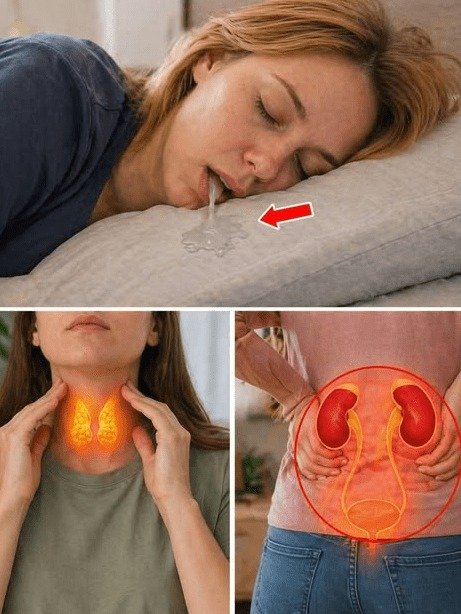
Drooling, medically known as sialorrhea, occurs when saliva inadvertently escapes from your mouth while you are asleep. This typically happens when your mouth remains open or your natural swallowing reflex becomes less active during slumber.
However, here’s the critical distinction…
The act of producing saliva is perfectly normal and essential. The real issue arises when your body struggles to control or contain that saliva.
Some common and generally harmless reasons for occasional drooling include:
• The way you sleep, particularly on your side or stomach
• Entering very deep stages of sleep
• Temporary periods of extreme fatigue
Yet, when this becomes a regular or excessive occurrence, it might be a subtle indicator of deeper underlying health issues that truly warrant your attention.
And this is precisely where many people make a critical error…
They simply dismiss it.
1. Nasal Congestion and Mouth Breathing
When your nasal passages become blocked, your body instinctively compensates by switching to mouth breathing as you sleep.
This seemingly minor change can directly lead to increased drooling.
Conditions that frequently contribute to this shift include:
• Persistent sinus problems
• Seasonal or chronic allergies
• Common colds and viral infections
Scientific research indicates that breathing through your mouth significantly impairs the normal control of saliva, especially during the deepest phases of sleep.
But the implications don’t stop there…
Prolonged mouth breathing can also detrimentally affect your overall sleep quality and even your body’s oxygen intake.
2. Sleep Position Habits
Let’s be honest with ourselves…
Most of us give little thought to the specific way we position ourselves in bed each night.
However, if you habitually sleep on your side or stomach, the simple force of gravity naturally draws saliva out of your mouth.
Consider the clear differences:
| Position | Drooling Risk | Why |
|---|---|---|
| Back sleeping | Low | Saliva generally remains contained |
| Side sleeping | Medium | Gravity can pull saliva horizontally |
| Stomach sleeping | High | Mouth is often pressed open |
It’s a straightforward concept… yet incredibly easy to overlook.
3. Gastroesophageal Reflux (Acid Reflux)
This is where the situation can become more concerning.
Gastroesophageal reflux disease (GERD), commonly known as acid reflux, can intensely stimulate your body to produce an excessive amount of saliva. Your system initiates this as a natural protective mechanism to help neutralize the rising stomach acid.
Symptoms that frequently manifest alongside this phenomenon include:
• A burning sensation or discomfort in your chest
• A distinct sour or bitter taste in your mouth
• General nighttime discomfort or indigestion
According to extensive clinical observations, individuals suffering from reflux often exhibit significantly increased saliva production during the night.
And yes… this heightened saliva can directly lead to drooling.
4. Sleep Apnea and Breathing Interruptions
Now, here’s a crucial connection many people overlook.
Sleep apnea is a serious condition characterized by repeated, involuntary pauses in breathing during sleep.
This disruptive condition often leads to:
• Forced mouth breathing to compensate for blocked airways
• A compromised or poor swallowing reflex
• A noticeable increase in saliva escaping the mouth
Key warning signs that may accompany drooling include:
• Exceptionally loud and frequent snoring
• Persistent daytime fatigue, even after a full night’s rest
• Regular morning headaches
If your nighttime drooling consistently appears alongside these specific symptoms, it is absolutely vital to pay close attention and seek professional evaluation.
5. Neurological Conditions Affecting Muscle Control
Your body’s intricate ability to control saliva and keep it within your mouth relies heavily on precise muscle coordination and efficient nerve signals.
When these vital functions are compromised or affected, drooling can significantly increase.
Potential contributors in this category may include:
• A reduction in facial muscle tone
• A noticeably slower or impaired swallowing reflex
• Disruptions or damage to nerve signals
It’s important to note that this doesn’t automatically signify a severe condition…
However, persistent drooling accompanied by any noticeable facial weakness or changes should never, under any circumstances, be ignored.
6. Medication Side Effects
It might come as a surprise, but certain medications can actually lead to an increase in saliva production, or affect your ability to control it.
These types of medications can include:
• Various sedatives or tranquilizers
• Specific neurological medications
• Some classes of antibiotics
Why does this happen?
Because these drugs can influence nerve signals or induce muscle relaxation, particularly during the sleep cycle, making it harder to maintain oral closure or swallow effectively.
If you’ve recently started a new medication and subsequently noticed an increase in drooling…
Investigating this potential connection with your doctor or pharmacist is definitely worthwhile.
7. Oral and Dental Issues
The overall health of your mouth plays a much more significant role in nighttime drooling than you might initially imagine.
Conditions such as:
• Irritated or inflamed gums
• Misaligned teeth or orthodontic issues
• Poorly fitted dentures or dental appliances
…can all make it considerably more challenging for you to effectively keep saliva contained within your mouth while you sleep.
And here’s an intriguing point to consider…
Even a mild amount of discomfort or an awkward bite can cause your mouth to stay slightly ajar throughout the night.
That seemingly small opening is often enough to trigger drooling.
8. Excessive Fatigue and Deep Sleep
Following particularly long, demanding, or exhausting days, your body naturally plunges into deeper, more restorative sleep stages.
During these profound phases of sleep:
• Your muscle control, including those in your face and jaw, relaxes much more significantly
• Your swallowing reflex becomes noticeably slower and less frequent
• Your mouth may open quite naturally due to this heightened relaxation
Occasional drooling under these circumstances is typically considered harmless and a normal physiological response.
However, if this becomes a nightly occurrence, despite adequate rest…
It could be a signal that your overall sleep pattern or quality truly needs closer attention and adjustment.
Simple Steps You Can Try Tonight
Let’s translate this information into practical, actionable advice.
Here are some small, impactful changes you can implement immediately to potentially make a real difference:
• Experiment with sleeping on your back, ensuring you have proper pillow support for your head and neck
• Make an effort to clear your nasal passages before bed, using warm steam or a saline rinse
• Avoid consuming heavy meals or excessive liquids right before you go to sleep
• Ensure you remain well-hydrated throughout the day
• Consistently maintain excellent oral hygiene practices
And perhaps most crucially…
Begin to consciously pay attention to any patterns or triggers you observe.
When Should You Take It Seriously?
It’s important to reiterate that not all instances of drooling are cause for alarm.
However, you should strongly consider seeking professional medical advice if:
• Drooling occurs consistently every night
• The amount of drooling is excessive or appears to be worsening over time
• It is accompanied by loud snoring, gasping, or other noticeable breathing issues during sleep
• You begin to notice any facial weakness, numbness, or difficulty with swallowing
Always remember this vital truth…
Your body rarely sends signals without a compelling underlying reason.
Conclusion
While drooling during sleep might often feel like a minor, embarrassing inconvenience, it can sometimes serve as a silent reflection of deeper physiological changes within your body. The key isn’t to immediately panic, but rather to cultivate a habit of observation, seek to understand potential causes, and proactively implement simple, beneficial steps to enhance your sleep habits. And here’s that final, often-overlooked insight: a combination of adjusting your sleeping position and improving your nasal breathing is frequently the quickest and most effective starting point you can address, beginning as soon as tonight.
Frequently Asked Questions
Is drooling during sleep normal?
Yes, occasional drooling is quite common and usually nothing to worry about, especially if you sleep on your side or are in a very deep sleep stage.
Can dehydration cause drooling?
Indirectly, yes. While not a direct cause, dehydration can alter the consistency of your saliva and impact your body’s natural regulation of fluid balance, potentially affecting how saliva is managed.
Does drooling mean a serious condition?
Not necessarily. However, if drooling is frequent, excessive, or accompanied by other concerning symptoms, it’s always prudent to have it evaluated by a healthcare professional to rule out any underlying issues.
Disclaimer
This article is provided strictly for informational purposes and should not be considered a substitute for professional medical advice. If you are experiencing ongoing symptoms, have specific health concerns, or require personalized guidance, please consult a qualified healthcare provider for an accurate diagnosis and appropriate treatment plan.