 By admin
 For centuries, the humble dandelion has been a cornerstone in traditional herbal medicine, cherished for its ability to bolster digestion, support liver function, and contribute to overall vitality. Yet, in our modern digital age, a new narrative has emerged across social media platforms and wellness blogs: the extraordinary claim that dandelion root could be a potent, natural remedy for cancer.
Indeed, some compelling laboratory studies have unveiled intriguing findings when dandelion extract interacts with cancer cells under controlled conditions. Nevertheless, it is absolutely critical to grasp the profound distinction between preliminary lab research and established, evidence-based medical treatments.
Within these pages, we’ll delve deep into the current scientific understanding surrounding dandelion, examine its genuine health-supporting attributes, and unequivocally explain why it must never be considered a substitute for professional, physician-directed cancer treatment.
The dandelion, a vibrant flowering plant, has long been a versatile ingredient, traditionally enjoyed in various forms such as soothing teas, convenient supplements, fresh salads, and potent herbal extracts.
This resilient plant is packed with a rich array of natural compounds, including:
- Polyphenols
- Flavonoids
- Antioxidants
- Inulin fiber
- Vitamins A, C, and K
Collectively, these powerful nutrients are widely recognized for their potential antioxidant and anti-inflammatory properties.
Why Has Dandelion Become a Viral Sensation in the Cancer Conversation?
The surge in interest surrounding dandelion root was ignited by a series of laboratory investigations that indicated dandelion root extract possessed the ability to induce programmed cell death in specific types of cancer cells within a meticulously controlled lab environment.
These initial experiments, conducted on cells in petri dishes and in animal models like mice, revealed encouraging effects when tested against:
- Colon cancer cells
- Leukemia cells
- Prostate cancer cells
- Liver cancer cells
It is crucial to remember, however, that these compelling studies were predominantly carried out in laboratory settings or involved animal subjects, and notably, not human participants.
The Crucial Reality Check: Dandelion Is NOT a Clinically Proven Cancer Cure
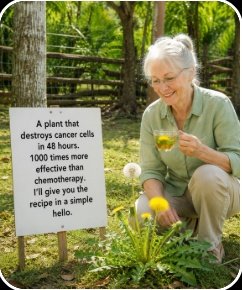
Countless viral social media posts spread misinformation, making unsubstantiated claims such as dandelion “eradicates 98% of cancer cells in just 48 hours” or is “a staggering 100 times more potent than chemotherapy.” These assertions are dangerously misleading.
Leading health experts and reputable fact-checking organizations have issued strong warnings, emphasizing that these widespread claims are not only misleading but are entirely devoid of supporting clinical evidence in human trials.
Cancer specialists and researchers unequivocally state:
- There is currently no scientific proof that dandelion cures cancer in humans
- Laboratory studies do not guarantee the same results in the human body
- Human clinical evidence remains extremely limited
Experts in the field consistently underscore the vital need for extensive further research before any definitive medical conclusions or recommendations can be established.
Beyond the Hype: Genuine Wellness Benefits of Dandelion
While dandelion has not been scientifically validated as a cancer treatment, it nonetheless offers a spectrum of general wellness advantages that can contribute positively when integrated into a balanced and healthy dietary regimen.
1. A Potent Source of Antioxidants
This remarkable plant is brimming with beneficial antioxidant compounds, which play a crucial role in potentially safeguarding our cells from the damaging effects of oxidative stress.
2. Supports Optimal Digestive Health
For centuries, dandelion has been traditionally prized for its ability to gently stimulate digestion and promote healthy, regular bowel movements.
3. Enhances Liver Function Support
Preliminary animal studies indicate that dandelion extract could potentially offer protective benefits to liver tissue against oxidative damage, though extensive human research is still necessary to confirm these findings.
4. Contributes to Reducing Inflammation
The natural bioactive compounds found within dandelion may play a supportive role in maintaining the body’s delicate inflammatory balance.
Your Simple Guide to Crafting Dandelion Tea
What You’ll Need:
- 1 teaspoon dried dandelion root or leaves
- 1 cup hot water
- Optional: honey or lemon
Easy Steps to Prepare:
- Boil the water.
- Add the dried dandelion.
- Let steep for 10–15 minutes.
- Strain and enjoy warm.
Many individuals find incorporating dandelion tea into their daily regimen to be a wonderfully soothing and healthful practice.
Crucial Precautions You Must Know
It’s essential to recognize that dandelion, despite its natural origin, may not be appropriate or safe for every individual.
Always seek personalized advice from a qualified healthcare professional, especially if you:
- Are undergoing cancer treatment
- Take blood thinners or diabetes medications
- Have kidney or gallbladder conditions
- Are allergic to plants in the daisy family
Medical experts vehemently caution against substituting vital, prescribed cancer treatments such as chemotherapy, radiation, surgery, or any other professional medical intervention with herbal remedies exclusively.
The Unanimous Verdict from the Scientific Community
Across the board, the global scientific community stands in unified agreement on one paramount and indisputable fact:
While laboratory findings related to dandelion root are undeniably intriguing and warrant extensive future investigation, there remains, at present, absolutely no clinical proof whatsoever that dandelion can effectively prevent, treat, or cure cancer in human beings.
Maintaining healthy lifestyle habits — encompassing optimal nutrition, consistent exercise, diligent regular screenings, and comprehensive medical care — continues to be the bedrock for effective cancer prevention and fostering holistic overall wellness.
The Bottom Line
Dandelion stands as a genuinely nutritious plant, teeming with antioxidants and boasting a rich history of traditional wellness applications. While the initial laboratory studies examining dandelion root extract’s interaction with cancer cells present fascinating scientific insights, it is crucial never to mistakenly equate these preliminary findings with established, proven medical treatments.
When incorporated into a well-rounded and balanced lifestyle, dandelion tea or carefully chosen supplements can certainly offer supportive benefits for digestion, liver health, and general well-being. Nevertheless, any assertions claiming it can cure cancer are simply not substantiated by any existing human clinical evidence.
It is imperative to always consult with a professional medical expert and obtain their guidance before considering the use of any herbal remedies for serious or chronic health conditions.