 By admin
 Do you constantly feel drained, struggle with unexplained weight changes, or battle persistent hair loss and anxiety? These frustrating experiences might not be isolated incidents but rather crucial signals indicating that your thyroid is out of balance.
This small but mighty gland is a central command center for your metabolism and overall well-being. When it isn’t performing optimally, its dysfunction can cascade, impacting almost every single system throughout your body.
To help you understand these vital warnings, we’re diving deep into the 10 most common symptoms of thyroid imbalance, along with crucial guidance on when it’s absolutely essential to consult a medical professional.
🧠 Understanding Your Thyroid: The Tiny Gland with a HUGE Impact
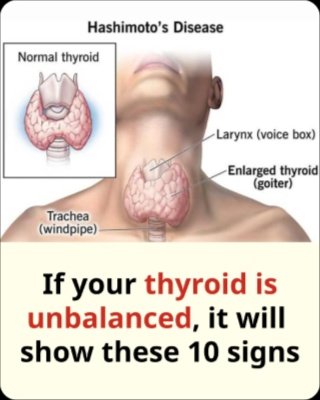
Nestled at the base of your neck, shaped like a delicate butterfly, lies your thyroid gland. Though small in stature, its influence on your entire physiological well-being is extraordinarily vast and profound.
This powerhouse gland is responsible for orchestrating critical bodily functions, including:
- Metabolism
- Energy levels
- Body temperature
- Mood and mental clarity
- Heart function
Any deviation from its normal hormone production—whether it’s an oversupply or an undersupply—triggers a cascade of distinct and often alarming symptoms throughout the body.
🔍 The Top 10 Red Flags: Is Your Thyroid Sending Distress Signals?
1️⃣ Constant Fatigue 😴
If you’re waking up feeling utterly drained, even after what you believe was sufficient sleep, this persistent exhaustion serves as a significant warning sign that something could be amiss.
- Hypothyroidism: slows metabolism → low energy
- Hyperthyroidism: overstimulation → burnout
2️⃣ Unexplained Weight Changes ⚖️
Experiencing abrupt and inexplicable fluctuations in your body weight, either gaining or losing pounds without any alterations to your diet or exercise routine, can be a strong indicator of thyroid dysfunction.
- Hypothyroidism → weight gain
- Hyperthyroidism → rapid weight loss
3️⃣ Hair Loss and Weak Nails 💇♀️
The delicate balance of your hormones, heavily influenced by thyroid function, can significantly interfere with the natural cycle of hair and nail development.
- Increased hair shedding
- Thinner hair strands
- Brittle nails
4️⃣ Mood Swings and Brain Fog 🧠
The intricate dance of thyroid hormones plays a critical role in regulating your cognitive processes and emotional stability.
- Hypothyroidism → depression, slow thinking
- Hyperthyroidism → anxiety, irritability
5️⃣ Sensitivity to Cold or Heat ❄️🔥
A noticeable shift in how your body perceives and reacts to environmental temperatures is a frequently reported symptom.
- Feeling cold all the time → hypothyroidism
- Excess sweating or heat → hyperthyroidism
6️⃣ Digestive Changes 🚽
Your thyroid gland exerts considerable control over the pace and efficiency of your digestive system:
- Hypothyroidism → constipation
- Hyperthyroidism → frequent bowel movements
7️⃣ Irregular Heartbeat ❤️
Disruptions in your thyroid hormone levels can directly impact your cardiovascular system, leading to noticeable alterations in heart rhythm:
- Hyperthyroidism → rapid heartbeat, palpitations
- Hypothyroidism → slow heart rate
8️⃣ Swelling in the Neck (Goiter) 👀
When the thyroid gland becomes enlarged, a condition known as a goiter, it can manifest with several distinct symptoms:
- Visible swelling
- Difficulty swallowing
- Hoarseness
⚠️ It is crucial to understand that the presence of this particular symptom necessitates prompt and thorough medical evaluation.
9️⃣ Menstrual and Fertility Issues 🌸
A malfunctioning thyroid can significantly disrupt the delicate hormonal balance required for reproductive health, manifesting as:
- Irregular periods
- Heavy or missed cycles
- Difficulty conceiving
It’s also important to note that men can similarly face fertility challenges when their thyroid function is compromised.
🔟 Skin Changes 🧴
The condition of your skin frequently serves as a visible mirror, reflecting the underlying health and function of your thyroid gland:
- Hypothyroidism → dry, rough skin
- Hyperthyroidism → oily, warm skin
🩺 Urgent Action: When Is It Time to Consult a Doctor?
Should you find yourself experiencing a combination of two or more of these persistent symptoms, it becomes critically important to promptly seek professional medical advice.
Fortunately, diagnosing thyroid conditions is generally straightforward, usually involving a series of simple blood tests that evaluate:
- TSH (Thyroid-Stimulating Hormone)
- T3
- T4
👉 Recognizing and addressing these issues early on is paramount, as timely detection significantly enhances the effectiveness and safety of treatment protocols.
⚠️ The Cost of Delay: Why Ignoring Thyroid Symptoms Is a Dangerous Mistake
Leaving thyroid disorders unaddressed can pave the way for a range of severe and potentially life-altering complications, including:
- Heart problems
- Infertility
- Emotional and mental health disorders
Cultivating a keen awareness of your body’s signals and responding to them is not merely advisable but absolutely essential for your long-term health.
✅ Your Health, Your Power: Final Empowering Thoughts
Your thyroid gland is undeniably a cornerstone of your overall vitality and well-being. By becoming adept at recognizing these crucial early warning signs, you empower yourself to take decisive action, potentially preventing the onset of more serious and entrenched health complications.
Therefore, if you sense that something within your body simply isn’t right, resist the urge to dismiss it—your body is sending you vital messages that demand your attention.
📌 Disclaimer
This article is for informational purposes only and does not replace medical advice. Always consult a healthcare professional for diagnosis and treatment.