 By admin
 Introduction: A Quiet Warning Many People Ignore
Imagine a scenario common in many households: an older family member, perhaps a grandparent, quietly battling discomfort. Last weekend, in a bustling Mexico City neighborhood, a grandfather pushed his dinner plate aside, a familiar weariness etched on his face. His observant daughter noticed his ankles were once again swollen, and he instinctively massaged his lower back. He dismissed it as “just age,” yet a quiet sense of regret lingered – he had sidestepped his doctor’s recommendations for years. Like countless individuals over 50, he mistakenly believed kidney issues were a concern for others, not himself. The reality is often unsettling. A significant number of people experience a gradual decline in kidney function without any noticeable symptoms until the condition becomes more advanced. Persistent fatigue, unexplained swelling, and alterations in urinary patterns can manifest subtly. By the time these signs prompt a medical inquiry, the prognosis can feel daunting. However, there’s a reassuring message: adopting minor, consistent daily habits can significantly promote kidney wellness and overall vitality. This comprehensive guide will delve into a popular “kitchen habit” frequently discussed online, examining its scientific basis. Crucially, you’ll discover actionable lifestyle strategies to nurture your kidneys every single day. We’ll also unveil a vital habit many families tend to overlook.
Why Kidney Health Matters More After Age 50
Often referred to as the body’s sophisticated purification system, your kidneys are two remarkable, bean-shaped organs tirelessly operating around the clock. Their critical functions include filtering metabolic waste, maintaining fluid equilibrium, and regulating healthy blood pressure. As individuals mature, the operational capacity of these vital organs naturally evolves. Public health studies indicate that the glomerular filtration rate (GFR), a key measure of kidney function, can gradually diminish with advancing age, particularly after the age of 50. Several prevalent health conditions significantly heighten the burden on your kidneys:
- Elevated blood pressure
- Sustained high blood sugar levels
- Insufficient hydration
- Diets rich in sodium
- Frequent use of specific medications
What many individuals fail to recognize is the insidious nature of renal stress. Kidney impairment frequently progresses without overt signs. Many people report feeling perfectly normal until more pronounced symptoms emerge. Potential early indicators might encompass:
- Edema (swelling) in the feet or ankles
- Persistent or unusual fatigue
- Urine with a foamy appearance
- Increased frequency of nighttime urination (nocturia)
It is crucial to understand that experiencing these symptoms does not definitively diagnose kidney disease. A comprehensive assessment of kidney function, involving appropriate medical tests, can only be conducted by qualified healthcare professionals. Nevertheless, consistent, positive daily lifestyle choices can serve a profoundly supportive role in maintaining renal wellness.
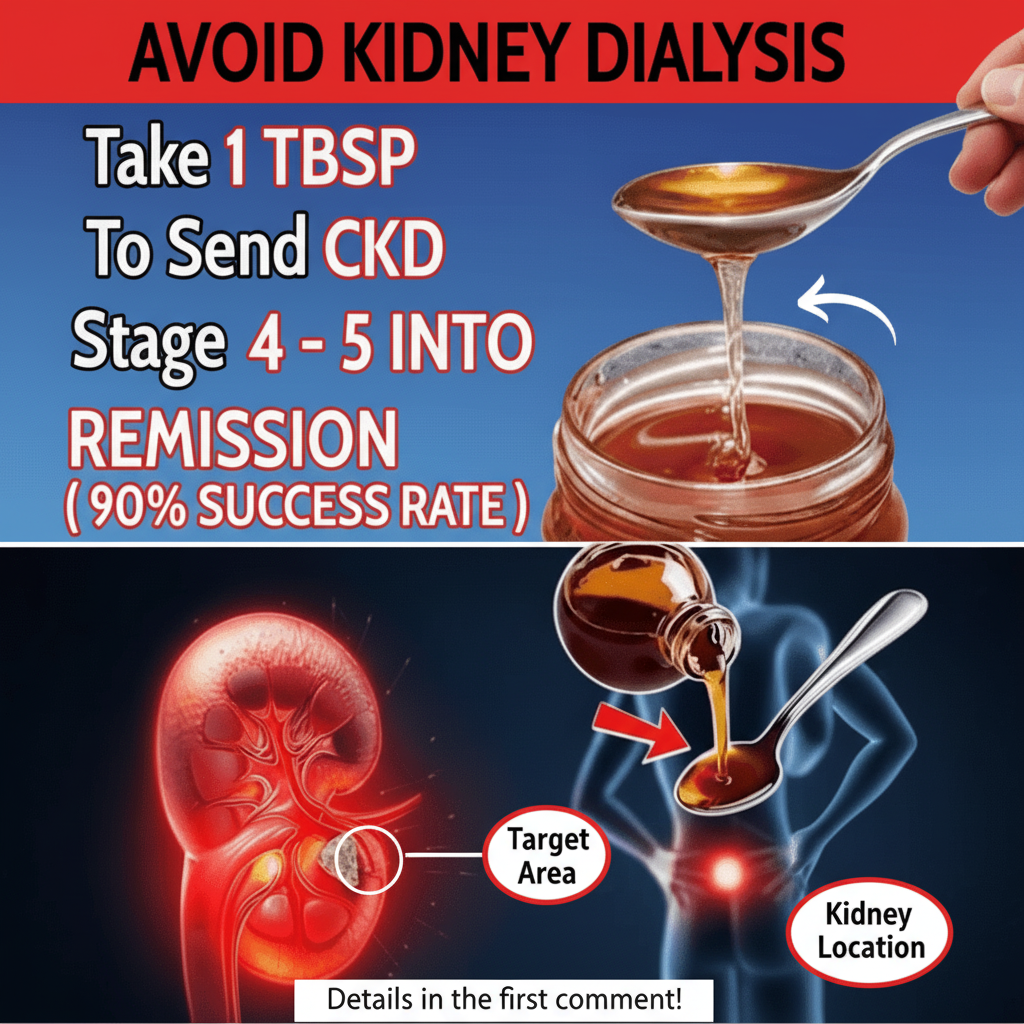
The Viral “Spoonful” Trend for Kidney Health
Online platforms are abuzz with numerous discussions suggesting that consuming a single tablespoon of honey daily could contribute to kidney health. These assertions often gain rapid traction, largely due to their appeal as a straightforward, natural remedy. However, it’s essential to approach such claims with a critical perspective. Honey is naturally endowed with various beneficial compounds, including:
- Potent antioxidants
- Trace amounts of essential minerals
- Natural sugars
While certain laboratory investigations indicate that foods rich in antioxidants can bolster the body’s intrinsic defenses against oxidative damage, there is currently no robust scientific evidence demonstrating that honey, when consumed in isolation, can reverse advanced kidney conditions or substitute professional medical treatment. So, why does this particular practice remain a frequent topic of conversation? The explanation might be more elementary than it appears. Honey is frequently integrated into a wider spectrum of healthy lifestyle practices. When individuals begin to prioritize whole foods, adequate hydration, and a balanced dietary intake, their overall well-being naturally improves. In essence, the “honey habit” itself may not possess miraculous properties; rather, it often serves as a catalyst for adopting more health-conscious routines. This brings us to the cornerstone of this discussion.
What Truly Supports Daily Kidney Wellness
The unequivocal truth, frequently underscored by medical professionals, is this: optimal kidney wellness is cultivated through a combination of consistent, mindful daily choices, not through reliance on any single “miracle” ingredient. Extensive research from leading global health organizations consistently identifies several foundational habits that profoundly support renal health:
- Prioritize Adequate Hydration: Sufficient water intake is paramount for enabling your kidneys to efficiently filter waste products from the blood. A common oversight among many adults is underestimating their daily fluid consumption. A practical guideline often recommended by physicians is to sip small quantities of water consistently throughout the day, rather than attempting to consume large volumes infrequently.
- Minimize Excessive Sodium Intake: A diet high in sodium can place undue strain on the kidneys, potentially contributing to elevated blood pressure. Common culprits for high sodium content often include:
- Highly processed meats
- Pre-packaged snack foods
- Instant noodle products
- Many varieties of canned soups
- Cooking at home and utilizing flavorful herbs and spices as alternatives to salt can yield substantial health benefits for your kidneys.
- Engage in Regular Physical Activity: Consistent movement plays a crucial role in promoting healthy circulation and overall metabolic function. Even modest forms of activity contribute positively:
- Brisk daily walks
- Gentle stretching routines
- Engaging in gardening
- Leisurely cycling
- The key takeaway is that regularity and consistency in movement are far more impactful than the intensity of the exercise itself.
- Effectively Manage Blood Pressure and Blood Sugar: Numerous medical studies unequivocally demonstrate a strong correlation between well-controlled blood pressure and stable blood sugar levels and long-term kidney health. Consequently, maintaining regular consultations and health screenings with your doctor is absolutely indispensable.
- Cultivate Healthy Sleep and Stress Management: Chronic stress and inadequate sleep can exert detrimental effects on overall physiological systems, including indirectly impacting kidney function by influencing blood pressure and inflammation. Prioritizing restful sleep and adopting effective stress-reduction techniques, such as mindfulness, meditation