 By admin
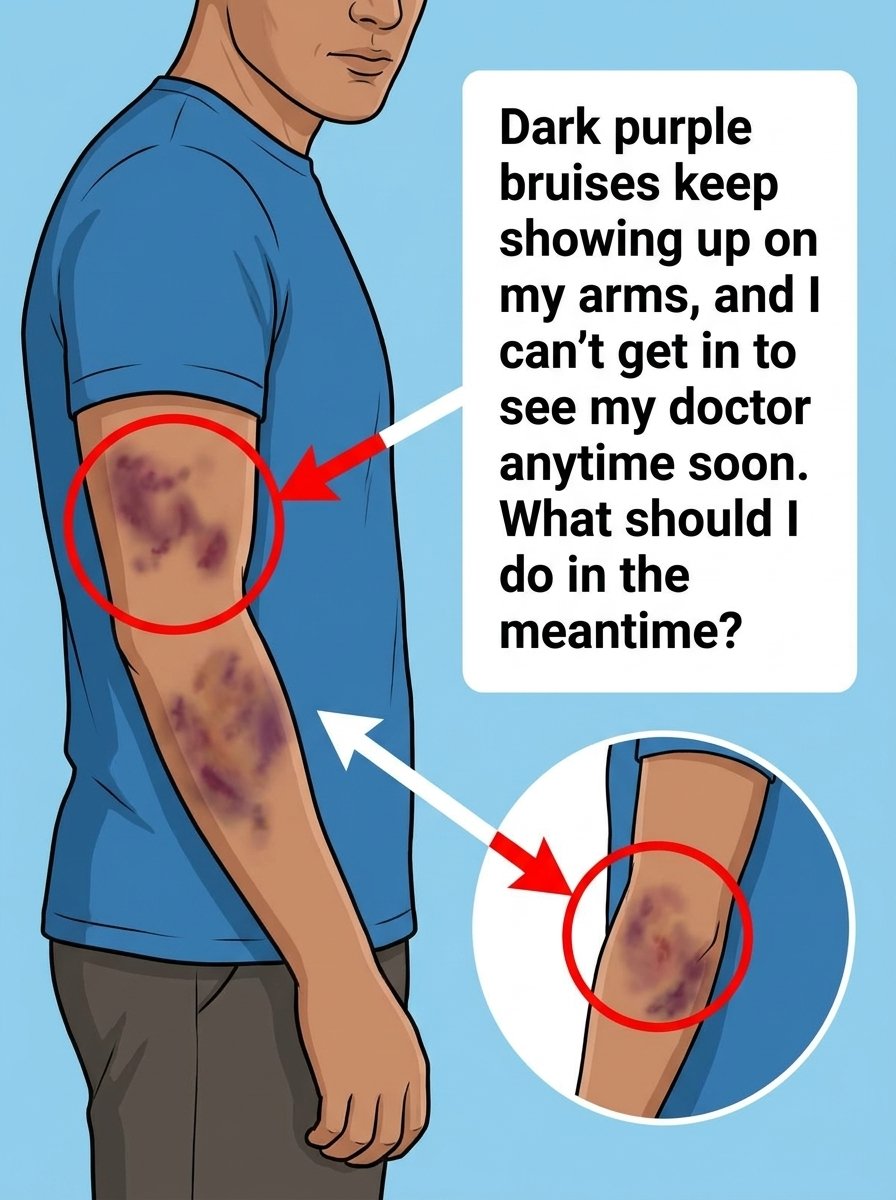
 Imagine waking up to dark, mysterious bruises splattered across your arms, with no memory of how they got there. It’s an alarming experience many people face, and if you’re struggling to secure a prompt doctor’s appointment, that anxiety can skyrocket. But don’t panic! While you await professional medical advice, equipping yourself with knowledge about potential causes and effective interim management strategies can offer significant peace of mind and help you meticulously track your symptoms.
While bruises are a routine part of life, typically forming after minor bumps rupture tiny blood vessels beneath the skin, their frequent or unexplained appearance can sometimes signal a deeper, underlying health concern. This comprehensive guide is designed to empower you with actionable steps to evaluate and care for your bruises, covering everything from recognizing conditions like senile purpura to essential skincare practices and detailed record-keeping.
1. Start By Asking: Could This Be Senile Purpura?
Ever heard of senile purpura, sometimes called actinic purpura? It’s an incredibly common culprit behind those dark purple marks on arms and hands, especially prevalent in older adults. This condition arises because our skin and its delicate blood vessels naturally thin and become more fragile with age, making them far more susceptible to bruising from even the slightest knock or brush.
These aren’t your average bruises; senile purpura often manifests as larger patches, frequently spanning 1 to 4 centimeters. They can emerge quite abruptly and often linger longer than typical bruises. If you suspect this might be your situation, meticulously record the dimensions and frequency of these marks—this data will be invaluable for your physician. While senile purpura itself is usually benign, it’s always crucial to ensure no other, more serious conditions are responsible for your bruising.
2. Take Clear Photos And Keep A Bruise Diary
Documentation is your secret weapon when dealing with unexplained bruises, providing crucial evidence for both you and your healthcare provider. Your first step should be to capture clear, well-lit photographs of each new bruise as soon as it appears. For accurate scale, always include a common object like a ruler or a coin right next to the bruise in your shot.
Beyond photographs, maintain a detailed diary. In it, carefully note the exact date each bruise surfaced, its precise location on your body, its measured size, and any accompanying sensations such as pain, tenderness, or swelling. This diligent record-keeping can reveal patterns or potential triggers and will be an indispensable resource for your doctor’s assessment.
3. Review Your Medications, Supplements, And Home Remedies
It might surprise you, but many common medications and supplements can significantly increase your propensity to bruise. Blood thinners, daily aspirin regimens, and even certain non-steroidal anti-inflammatory drugs (NSAIDs) can all interfere with your blood’s natural clotting mechanisms, leading to easier discoloration. Furthermore, popular supplements like fish oil, ginkgo biloba, and vitamin E are known for their blood-thinning properties.
Take a thorough inventory of every single medication—prescription or over-the-counter—and all supplements you are currently taking. If you identify any that could potentially be contributing to your bruising, absolutely do not discontinue them without first consulting your doctor. Instead, make a meticulous list of these items to discuss in detail during your upcoming appointment.
4. Check For Red-Flag Symptoms That Need Urgent Care
While the majority of bruises are benign and resolve on their own, certain accompanying symptoms demand immediate medical attention. Be vigilant for signs such as bruises that emerge suddenly and are unusually large, any bruising accompanied by bleeding from your gums or nose, or if you concurrently experience unexplained weight loss, persistent fatigue, or a fever.
Should you observe any of these