 By admin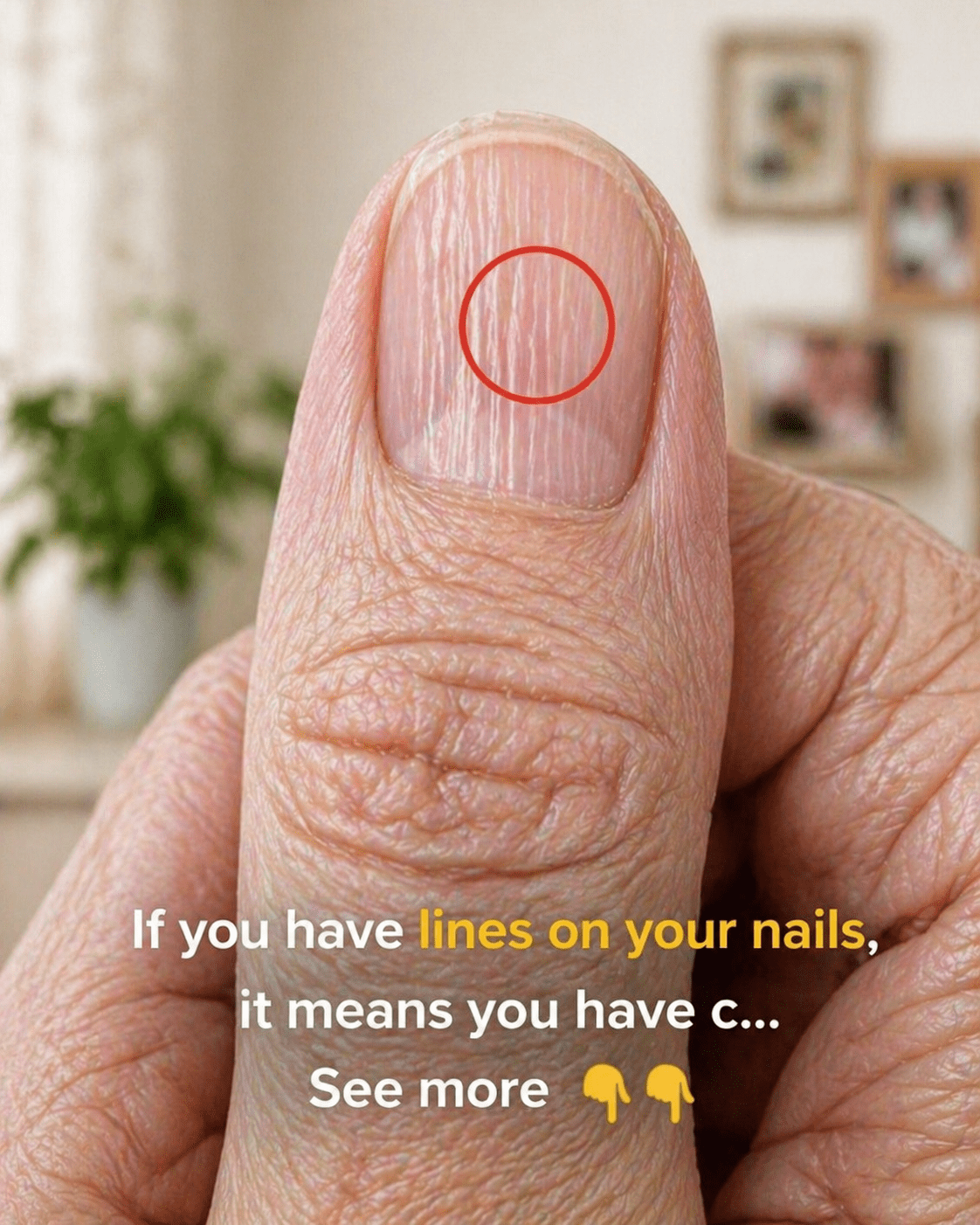
Vertical ridges running from your cuticle to the tip are a natural part of aging, much like the fine lines that eventually appear on our skin. While they might feel a bit rough to the touch, these lengthwise grooves are usually just a sign that your nail growth is slowing down as the years pass.
Below, you’ll discover why these ridges become more prominent, the specific nutrient gaps that often cause them, and the one “nightly oil” habit that can help smooth your nails from the base up. You will also learn how to spot a “Beau’s Line”—a different type of mark that serves as a physical timeline of your body’s recent history.

Your nails aren’t just a surface; they are a living record of your internal vitality.
The “Wrinkles” of the Hands
We spend plenty of time moisturizing our faces to manage aging, but we often forget that our nails undergo a similar transformation. As we cross into our 50s and 60s, the cell turnover in our nail matrix—the area tucked just under your cuticle—begins to shift.
These vertical ridges are often just “nail wrinkles.” They occur when the nail plate starts to thin slightly and the underlying structure becomes more visible. However, if you notice these lines becoming deep or brittle, your body might be signaling a need for more moisture or specific building blocks like biotin and zinc.
Why Your Nails Are Not “Growing Out” Smoothly
If you’ve noticed your nails feel like a washboard, it’s often a sign of environmental stress. Frequent hand washing, using harsh dish soaps without gloves, or living in a home with low humidity can sap the moisture from the nail plate.
When the nail dries out, it loses its flexibility. This makes the vertical ridges appear much sharper and makes the nail more prone to splitting at the ends. It isn’t just about what you put on them; it’s about how much water you’re drinking to keep those cells plump from the inside out.
The Horizontal “Timeline” Warning
While vertical lines are usually a sign of time passing, horizontal lines—known as Beau’s Lines—are a bit more dramatic. These look like deep dents or grooves running side-to-side across the nail.
Because fingernails grow at a steady pace of about 3 millimeters per month, a horizontal ridge acts like a timestamp. If you see one halfway up your nail, it suggests that about two months ago, your body went through a period of significant stress, such as a high fever, a severe infection, or a major nutritional dip. Your body essentially “paused” nail production to send energy elsewhere.
Check Your Kitchen for These 3 Smoothers
You can’t “sand down” ridges without thinning the nail, but you can support the new growth coming in. To see smoother results in about ninety days, focus on these three staples:

- The Protein Foundation: Nails are made of keratin. If you aren’t getting enough lean protein, your “construction crew” doesn’t have the materials they need.
- The Seed Secret: Pumpkin seeds are a powerhouse of zinc. Zinc is crucial for the healthy division of cells in the nail bed.
- The Healthy Fat Fix: Walnuts and flaxseeds provide the essential oils that keep the nail plate from becoming brittle and “ridge-heavy.”
The “Nightly Seal” Ritual
The most effective way to address the texture of your nails is to protect the cuticle area every single night before bed. This is the only time your hands get a 7-to-8-hour break from water and friction.
Using a simple drop of vitamin E oil or even high-quality olive oil on each cuticle can make a world of difference. By massaging the oil into the base of the nail, you are stimulating blood flow to the matrix and sealing in moisture where the new nail is being formed.

Consistency is the secret ingredient that turns a habit into a transformation.
When a Line Deserves a Doctor’s Look
Most ridges are a harmless part of the journey, but there is one exception to watch for. If you see a single, dark vertical stripe—usually brown, black, or deep blue—that looks like it was drawn on with a marker, it’s time to see a dermatologist. While often just a “nail freckle,” any new pigment that changes shape or widens needs a professional eye to ensure everything is okay.

As we age, our bodies find quiet ways to communicate with us. Taking a moment to look at your hands isn’t just about vanity; it’s a way to check in on your hydration, your nutrition, and your overall pace of life.
New nail growth, nutrient support, and daily hydration.
P.S. Remember that “nightly oil” trick? If you find oils too messy for bed, try a thick “slugging” method by applying a heavy petroleum-based balm over your hand cream. It creates an airtight seal that forces moisture into the nail plate overnight.
This article is for informational purposes only and does not replace professional medical advice. Please consult your healthcare provider for personalized guidance.