 By admin
 Imagine a world slowly dimming, colors fading, and familiar faces blurring into obscurity. This isn’t just a scary thought; for millions, vision loss is a devastating reality, often worsened by misleading ‘quick fixes’ found online. While countless articles promise miraculous natural remedies or simple cures, the stark truth is that safeguarding your precious eyesight hinges entirely on accurate medical diagnosis and professional treatment.
Crucially, some forms of vision impairment can be effectively managed or their progression slowed with timely intervention. However, many other conditions demand immediate medical attention to avert irreversible damage and preserve your sight.
The spectrum of vision loss is broad, manifesting in various ways:
- Partial (often referred to as low vision)
- Complete (total blindness)
- Sudden onset or a gradual decline
- Temporary or permanent in nature
It’s vital to understand that vision loss isn’t a standalone illness; rather, it’s a critical indicator, a symptom pointing to deeper underlying issues within your eyes or broader health system.
Unveiling the Root: Common Causes of Vision Loss
1. Refractive Errors – The Everyday Blurs
- Myopia, commonly known as nearsightedness
- Hyperopia, or farsightedness
- Astigmatism, causing distorted vision
Fortunately, these common vision challenges are typically easily remedied with prescription glasses, contact lenses, or, in some cases, corrective surgery.
2. Cataracts – The Clouding Lens
Cataracts involve a progressive clouding of the eye’s natural lens, leading to increasingly blurred vision, a condition particularly prevalent among older adults.
3. Glaucoma – The Silent Thief of Sight
Glaucoma is a serious condition characterized by damage to the delicate optic nerve, frequently linked to elevated pressure within the eye.
4. Diabetic Retinopathy – A Diabetes Complication
This condition involves damage to the fragile blood vessels located in the retina, a direct complication often seen in individuals with diabetes.
5. Age-Related Macular Degeneration (AMD) – Central Vision Loss
AMD is a prevalent condition among older adults that primarily impacts and degrades central vision, crucial for tasks like reading and recognizing faces.
6. Eye Infections or Traumatic Injuries
Beyond chronic conditions, direct eye trauma or severe infections can also precipitate significant and sudden vision problems.
Warning Signs: Don’t Miss These Common Symptoms
- Persistent blurred or hazy vision
- Significant difficulty seeing clearly at night
- Noticeable loss of peripheral (side) vision
- Unexplained eye pain or a feeling of pressure
- Any sudden or rapid changes in your vision quality
- Experiencing flashes of light or an increase in floaters
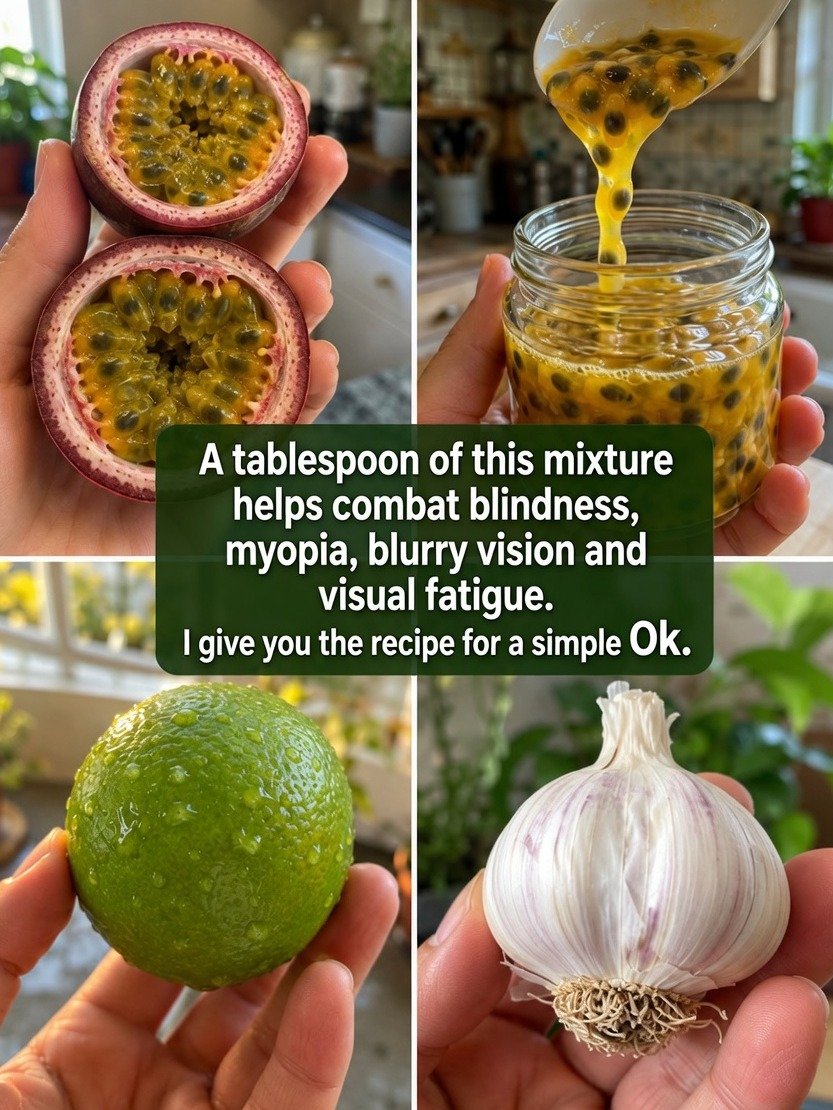
The Hard Truth: Can ‘Natural Remedies’ Really Restore Lost Vision?
❌ The Uncomfortable Reality: Zero Scientific Backing
Despite what some online sources might claim, robust scientific evidence unequivocally states that:
- Specific herbs or ‘miracle’ juices can miraculously restore vision once it’s lost.
- So-called ‘detox drinks’ possess the power to cure or significantly improve existing eye diseases.
- Any home remedy can effectively reverse serious conditions like glaucoma or cataracts.
When facing vision loss, the only responsible and effective path forward is a thorough medical evaluation by a qualified professional.
So, What *Actually* Works to Protect Your Eye Health?
Consistent, Regular Eye Exams
Proactive and early detection of potential issues through routine eye exams is absolutely critical for preserving your vision.
A Nutritious, Eye-Healthy Diet
Incorporating a balanced diet rich in specific nutrients can significantly bolster your overall eye health:
Carrots: Packed with Beta-Carotene
Spinach: A Leafy Green Powerhouse
Blueberries: Rich in Antioxidants
Oranges: Vitamin C for Eye Tissue
Proactive Eye Protection Strategies
- Always wear UV-protective sunglasses when outdoors.
- Practice the 20-20-20 rule to reduce digital screen strain.
- Completely avoid smoking, which severely impacts eye health.
- Actively manage underlying conditions like diabetes and high blood pressure.
URGENT: When You Must See an Eye Doctor IMMEDIATELY
Do not hesitate to seek immediate medical attention if you suddenly experience any of the following:
- A sudden and unexplained loss of vision in one or both eyes
- Intense or severe eye pain that doesn’t subside
- New or increased flashes of light in your field of vision
- The sensation of a dark, curtain-like shadow obscuring part of your vision
- Any form of significant eye injury or trauma
These critical symptoms often signal severe, sight-threatening conditions that demand immediate professional medical treatment to prevent permanent loss.
Effective Treatment Options (Tailored to the Underlying Cause)
- Prescription glasses or contact lenses for refractive errors
- Specialized eye drops, particularly for managing glaucoma
- Surgical procedures for conditions like cataracts or complex retinal issues
- Targeted laser treatment for certain specific eye conditions
- Systemic medication to address underlying health diseases impacting vision
Your Vision, Your Future: Key Takeaways
To reiterate, vision loss is a complex medical challenge demanding precise diagnosis and appropriate professional treatment. While a nutrient-rich diet and healthy lifestyle choices are undeniably beneficial for supporting overall eye health, it’s crucial to understand they cannot, by themselves, reverse or cure serious, established eye diseases.
Placing your trust solely in unverified “natural cures” or unproven home remedies can be incredibly dangerous. Such delays in seeking necessary, evidence-based medical treatment dramatically elevate the risk of irreversible and permanent vision damage, potentially costing you your sight.