 By admin
 What if the ‘normal’ period pain you’ve been told to endure is actually a sign of something much more significant? You’re not imagining it, and you’re certainly not alone. Millions of women globally grapple with endometriosis, a condition often misunderstood and quietly suffered. Greater awareness, earlier, open conversations, and a network of compassionate support can dramatically alter how we experience and manage this challenging condition.
Within this empathetic guide, you’ll gain clarity on what endometriosis truly entails, recognize the common indicators to watch for, explore its potential origins, and discover practical, nurturing strategies to bolster your overall well-being.
What Is Endometriosis?
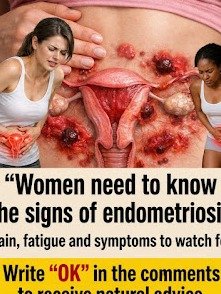
Imagine a chronic condition where tissue remarkably similar to the inner lining of your uterus – called the endometrium – decides to grow *outside* of it. This is the reality of endometriosis. These rogue growths frequently appear on organs like the ovaries, fallopian tubes, or the delicate lining of your pelvis, though they can surface in other unexpected parts of the body too.
Each month, in sync with your menstrual cycle, these misplaced patches of tissue react just like your uterine lining would: they thicken, break down, and attempt to bleed. The crucial difference? There’s no exit for this blood. This trapped internal bleeding can trigger a cascade of inflammation, severe irritation, and eventually, the formation of painful scar tissue.
While endometriosis is a persistent, long-term health challenge, gaining a clear understanding of its nature is the foundational step toward reclaiming agency over your well-being and finding effective ways to manage its impact.
Common Symptoms of Endometriosis
The manifestations of endometriosis are as diverse as the women who experience them, fluctuating greatly from barely noticeable discomfort to excruciating, debilitating pain. However, many individuals consistently report a constellation of symptoms including:
- Agonizing menstrual cramps that not only begin days before your period but also stubbornly persist throughout and beyond.
- Persistent, nagging pain in the pelvic region or lower back that isn’t tied to your cycle.
- Significant discomfort or sharp pain during or immediately following sexual intercourse.
- Unusually heavy menstrual bleeding (menorrhagia) or unexpected spotting that occurs between your regular cycles.
- Struggles with fertility or an unexplained inability to conceive.
- Troublesome digestive complaints, such as severe bloating, chronic constipation, or recurrent diarrhea, often worsening around the time of your period.
- Profound, unexplained fatigue that saps your energy, especially in the lead-up to menstruation.
It’s precisely because these symptoms can mimic those of numerous other prevalent conditions that a definitive diagnosis for endometriosis often remains elusive for years. This underscores the critical importance of truly tuning into your body’s signals and engaging in candid, detailed conversations with your healthcare provider.
What Causes Endometriosis?
While medical professionals continue to unravel the full complexities of endometriosis, current research points to several key contributing factors that appear to influence its development:
- Retrograde menstruation: This theory suggests that instead of exiting the body, menstrual blood containing endometrial cells flows backward through the fallopian tubes and into the pelvic cavity.
- Genetics: A family history significantly raises the risk; if your mother or a sister has been diagnosed with endometriosis, your chances may be higher.
- immune system factors: It’s believed that an impaired immune response might fail to recognize and eliminate endometrial-like tissue growing outside the uterus, allowing it to persist and spread.
- Hormonal influence: Estrogen, a key female hormone, is known to stimulate the growth and activity of endometrial-like tissue, playing a crucial role in the progression of the condition.
It’s absolutely vital to remember: Endometriosis is a complex medical condition and is not a result of anything you have done, nor is it linked to any personal lifestyle choices. You are not responsible, and you are certainly not to blame for this diagnosis.
How Is Endometriosis Diagnosed?
Pinpointing endometriosis typically involves a comprehensive diagnostic journey, which often includes:
- An in-depth discussion where your healthcare provider will meticulously review your symptoms, their patterns, and your complete medical history.
- A thorough physical pelvic examination conducted by a specialist.
- Advanced imaging techniques, such as an ultrasound or magnetic resonance imaging (MRI), which can help identify larger endometrial implants or cysts.
- In certain instances, a definitive diagnosis, and sometimes initial treatment, is achieved through laparoscopic surgery, a minimally invasive procedure allowing direct visualization and biopsy of the tissue.
The sooner this condition is accurately identified, the more effectively you and your dedicated healthcare team can collaborate to forge a personalized management plan that genuinely aligns with your individual needs and lifestyle.
Endometriosis and Fertility
Endometriosis stands as a significant, recognized factor contributing to fertility difficulties, impacting over 30% of women living with the condition. The presence of inflammation, adhesions, and scar tissue can unfortunately create an environment within the reproductive system that makes natural conception a greater challenge for some.
However, there’s a powerful message of hope: a substantial number of women with endometriosis successfully conceive, whether through natural means or with the aid of medical interventions, and go on to experience fulfilling, healthy pregnancies. Engaging with a highly knowledgeable fertility specialist can unlock a range of supportive options and pathways tailored to your journey.
Treatment and Gentle Management Options
While a definitive cure for endometriosis remains elusive at present, countless women discover profound and meaningful relief through meticulously personalized care strategies. The most common and effective approaches often encompass:
- A spectrum of pain relief solutions, ranging from readily available over-the-counter medications to targeted prescription pain management.
- Various hormonal therapies specifically designed to suppress or temporarily halt the menstrual cycle, thereby reducing the growth and activity of endometrial-like tissue.
- Surgical interventions, which become a vital option in more severe or extensive cases to remove implants and scar tissue.
- Holistic lifestyle practices that profoundly support overall well-being, including incorporating gentle, consistent movement, mastering effective stress reduction techniques, prioritizing restorative, quality sleep, and embracing a diet of nourishing, wholesome foods.
Crucially, your treatment plan should always be a bespoke reflection of your unique life circumstances and specific needs. Partnering with a compassionate and expert doctor or a dedicated specialist team can genuinely transform your experience and outcomes.
How Nutrition Can Support You
Although nutrition alone cannot cure endometriosis, the foods you consume hold significant power to influence inflammation levels and promote hormonal balance within your body. Many women report a noticeable improvement in their symptoms and overall well-being when they consciously prioritize:
- An abundance of vibrant, colorful vegetables and a generous intake of fiber-rich whole foods.
- Incorporating healthy fats, such as omega-3s, and making actively anti-inflammatory dietary choices.
- Minimizing or reducing the consumption of highly processed foods and excessive amounts of red meat.
- Consistently maintaining optimal hydration by drinking plenty of water throughout the day.
Remember, implementing small, incremental, and sustainable dietary adjustments typically proves far more manageable and ultimately more beneficial than attempting overly strict or restrictive diets. The key is to attentively observe and listen to how your unique body responds to these changes.
Living Well with Endometriosis
Endometriosis is a condition that can extend its reach into virtually every facet of life – from your professional endeavors and personal relationships to your daily energy reserves and profound emotional well-being. It is absolutely essential to recognize that you are deserving of comprehensive support across all these dimensions.
Actively seeking out and connecting with empathetic healthcare providers, engaging with supportive online or local communities of women who truly understand your journey, and allowing yourself to lean on trusted loved ones can significantly alleviate the immense burden. Let this truth resonate deeply: you are not navigating this path in isolation, and your individual experience holds immense validity and importance.
The more courageously and compassionately we engage in open dialogue about endometriosis, the more rapidly global awareness will expand, crucial support will become accessible sooner, and the pervasive sense of isolation experienced by women will diminish. Each and every conversation contributes powerfully to dismantling stigma and emboldening more women to confidently advocate for their own health and well-being.
💛 If the insights shared here resonate deeply with your own experience or that of someone dear to you, please consider sharing this guide. Disseminating accurate, empathetic information is truly one of the most profound acts of care we can offer.
Always remember, you are entitled to feel genuinely heard, robustly supported, and meticulously cared for throughout every stage of your health journey. For advice that is specifically tailored to your unique situation, always seek the expert guidance of a qualified healthcare professional.