 By admin
 What if that excruciating period pain you’ve been told is ‘normal’ is actually a cry for help from your body? You’re not imagining it. Millions of women globally are silently battling endometriosis, a condition often dismissed, but one that demands our attention and understanding. It’s time to break the silence and empower ourselves with knowledge.
This essential guide will demystify endometriosis, revealing its true nature, the critical signs you should never ignore, its potential origins, and compassionate, practical strategies to reclaim your well-being and live more comfortably. Don’t miss out on vital insights that could change your life.
What Is Endometriosis?
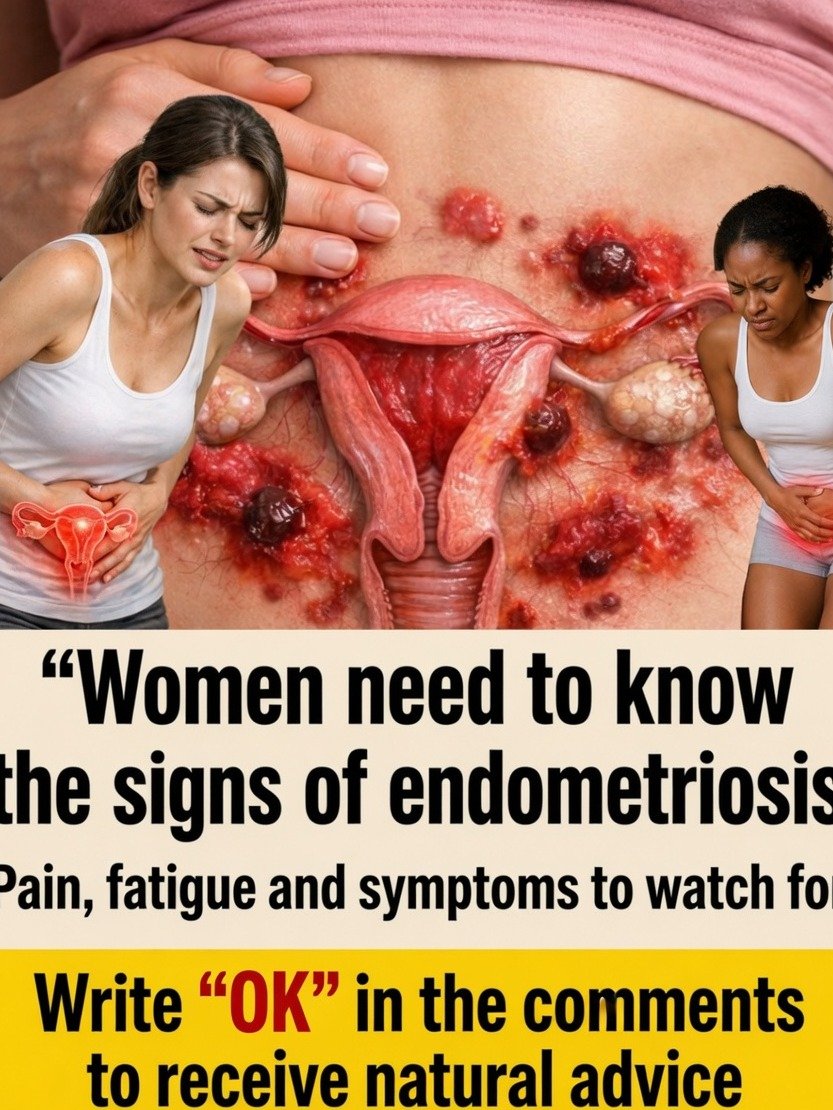
Endometriosis is a complex, chronic condition characterized by the growth of tissue strikingly similar to the uterine lining (known as the endometrium) in areas outside the uterus. These growths frequently appear on organs like the ovaries, fallopian tubes, and the pelvic lining, though they can sometimes be found in more distant parts of the body.
Each month, this misplaced tissue mimics the behavior of your uterine lining, responding to hormonal fluctuations by thickening, breaking down, and bleeding. The crucial difference is that, unlike menstrual blood that exits the body, this blood has no escape. This internal process can lead to significant inflammation, persistent irritation, and the gradual formation of scar tissue.
While it is a long-term journey, gaining a clear understanding of endometriosis is the powerful first step towards taking charge of your health and feeling a greater sense of control over your body.
Common Symptoms of Endometriosis
The manifestations of endometriosis can vary widely from one individual to another, presenting anywhere from mild discomfort to debilitating pain. Many women describe their symptoms as:
- Unbearably intense menstrual cramps that begin days before your period and persist throughout, often lasting for extended durations
- Persistent or recurrent pain in the pelvic region or lower back that isn’t exclusively tied to your menstrual cycle
- Significant discomfort or pain experienced during or immediately following sexual intercourse
- Abnormally heavy menstrual bleeding (menorrhagia) or unexpected spotting that occurs between your regular periods
- Struggles with conception or unexplained infertility
- Noticeable digestive disturbances, such as uncomfortable bloating, stubborn constipation, or sudden bouts of diarrhea, particularly coinciding with your menstrual cycle
- Profound and unexplained fatigue, especially prominent in the days leading up to your period, often described as an energy drain
Due to the fact that these symptoms can frequently mimic those of other common health issues, it is unfortunately common for women to endure years of discomfort before finally receiving an accurate diagnosis. Prioritizing self-awareness and maintaining open, honest communication with your healthcare provider is absolutely essential for timely recognition.
What Causes Endometriosis?
Medical researchers are continually advancing their understanding of endometriosis, but current knowledge points to several contributing factors that appear to influence its development:
- Retrograde menstruation: This theory suggests that instead of flowing out of the body, menstrual blood containing endometrial cells flows backward through the fallopian tubes and into the pelvic cavity.
- Genetic predisposition: A higher likelihood of developing endometriosis exists if close female relatives, such as your mother or sister, have also been diagnosed with the condition.
- Immune system dysfunction: It’s believed that an impaired immune system might fail to recognize and eliminate the endometrial-like tissue growing outside the uterus as effectively as it should.
- Hormonal influences: Estrogen, a key female hormone, is known to fuel the growth of endometrial-like tissue, playing a significant role in the progression of the condition.
It’s incredibly important to remember: Endometriosis is a complex medical condition and is absolutely not a consequence of anything you have done or any specific lifestyle choices. You are never to blame for experiencing this condition.
How Is Endometriosis Diagnosed?
The process of diagnosing endometriosis typically involves a comprehensive approach, which includes:
- An in-depth discussion with your doctor about your specific symptoms, their severity, and your complete medical history.
- A thorough pelvic examination performed by a healthcare professional.
- Advanced imaging techniques, such as ultrasound or Magnetic Resonance Imaging (MRI), to identify potential endometrial implants.
- In certain instances, a laparoscopic surgical procedure may be recommended. This minimally invasive surgery allows for direct visualization of the pelvic organs to confirm the diagnosis and, often, to remove existing endometrial tissue.
Recognizing the condition as early as possible is crucial. The sooner endometriosis is identified, the more effectively you and your dedicated healthcare team can collaborate to develop a personalized management plan that truly aligns with your life and needs.
Endometriosis and Fertility
Endometriosis is a well-recognized factor contributing to challenges with fertility, impacting over 30% of women living with the condition. The presence of inflammation and scar tissue can potentially obstruct fallopian tubes, distort pelvic anatomy, or interfere with egg quality and implantation, making natural conception more difficult for some.
However, there is significant hope! Many women with endometriosis successfully conceive, either naturally or with the aid of medical interventions, and go on to experience healthy, full-term pregnancies. Engaging with a fertility specialist who possesses deep knowledge of endometriosis can unveil a range of supportive options and pathways to parenthood.
Treatment and Gentle Management Options
While a definitive cure for endometriosis remains elusive at present, countless women discover substantial relief and improvement in their quality of life through individualized care plans. Common therapeutic strategies often include:
- A variety of pain relief solutions, ranging from readily available over-the-counter medications to stronger prescription-strength options, tailored to manage discomfort.
- Hormonal therapies specifically designed to regulate or suppress the menstrual cycle, thereby reducing the growth and activity of endometrial-like tissue.
- Surgical interventions, typically reserved for more advanced or severe cases, aimed at excising endometrial implants and scar tissue.
- Holistic lifestyle adjustments that actively promote overall well-being, such as incorporating regular gentle exercise, practicing effective stress reduction techniques, ensuring consistent quality sleep, and adopting a nourishing, balanced diet.
It is paramount that your treatment regimen is always personalized to your unique life circumstances and specific health requirements. Partnering with a compassionate and expert doctor or a specialized healthcare team can dramatically enhance your journey toward managing this condition effectively.
How Nutrition Can Support You
Although dietary choices are not a standalone cure for endometriosis, what you consume daily can significantly influence systemic inflammation and help balance hormones within your body. Many women report feeling considerably better when they prioritize:
- A generous intake of vibrant, colorful vegetables and a wide array of fiber-rich foods, which aid in digestion and detoxification.
- Incorporating healthy fats, such as those found in avocados and olive oil, and making anti-inflammatory food choices like turmeric and leafy greens.
- Consciously reducing the consumption of highly processed foods and limiting excessive red meat intake, which can sometimes exacerbate inflammation.
- Consistently maintaining optimal hydration by drinking plenty of water throughout the day.
Remember, making small, sustainable dietary modifications often feels far more achievable and beneficial than attempting overly strict or restrictive diets. The key is to pay close attention to how your individual body responds and adjust accordingly.
Living Well with Endometriosis
Endometriosis can undeniably impact numerous facets of a woman’s life – from professional productivity and personal relationships to fluctuating energy levels and overall emotional health. It is absolutely essential that you receive comprehensive support across all these dimensions.
Actively seeking out understanding healthcare providers, engaging with supportive communities of women who truly empathize with your experience, and leaning on the unwavering support of loved ones can significantly alleviate the burden. You are never alone in this journey, and your unique experience holds immense value.
The more we openly and empathetically discuss endometriosis, the faster public awareness will expand, the sooner crucial support will reach those in need, and the less isolated women will feel. Every single conversation contributes to dismantling stigma and empowers more women to confidently and proactively manage their health.
💛 If this vital information resonates with you or someone you care about, please don’t hesitate to share it widely. Spreading accurate, gentle information is one of the most profound acts of care we can offer.
You absolutely deserve to be heard, fully supported, and genuinely cared for throughout your health journey. Always seek advice from a qualified healthcare professional for personalized medical guidance and treatment plans.