 By admin
 Imagine your body’s engine suddenly revving out of control, burning fuel at an alarming rate. This isn’t just a metaphor; it’s the stark reality for millions experiencing hyperthyroidism, a condition where your thyroid gland goes into overdrive, causing all your internal systems to dangerously accelerate.
Pinpointing the crucial distinctions between a properly functioning thyroid and an overactive one is absolutely vital, empowering you to spot potential red flags early and access the essential medical attention you need.
What Does a Healthy Thyroid Do?
A healthy, well-functioning thyroid gland is responsible for releasing precisely the right quantities of essential thyroid hormones, primarily:
- Triiodothyronine (T3)
- Thyroxine (T4)
These powerful hormones act as the body’s master regulators, dictating how efficiently your cells convert food into energy. When their production is perfectly balanced, your entire metabolic system operates seamlessly, keeping you feeling your best.
Signs of a Healthy Thyroid
A thyroid that’s performing optimally typically underpins several key aspects of your well-being, including:
- A stable and efficient metabolism
- Steady and consistent energy levels throughout the day
- Maintenance of a healthy and appropriate body weight
- A balanced and positive mood
- A normal and regular heart rate
- Radiant skin and strong, healthy hair
- Precise regulation of your body’s internal temperature
Ultimately, a healthy thyroid is the silent orchestrator behind your body’s harmony, ensuring overall balance and promoting a profound sense of wellness.
What Is Hyperthyroidism?
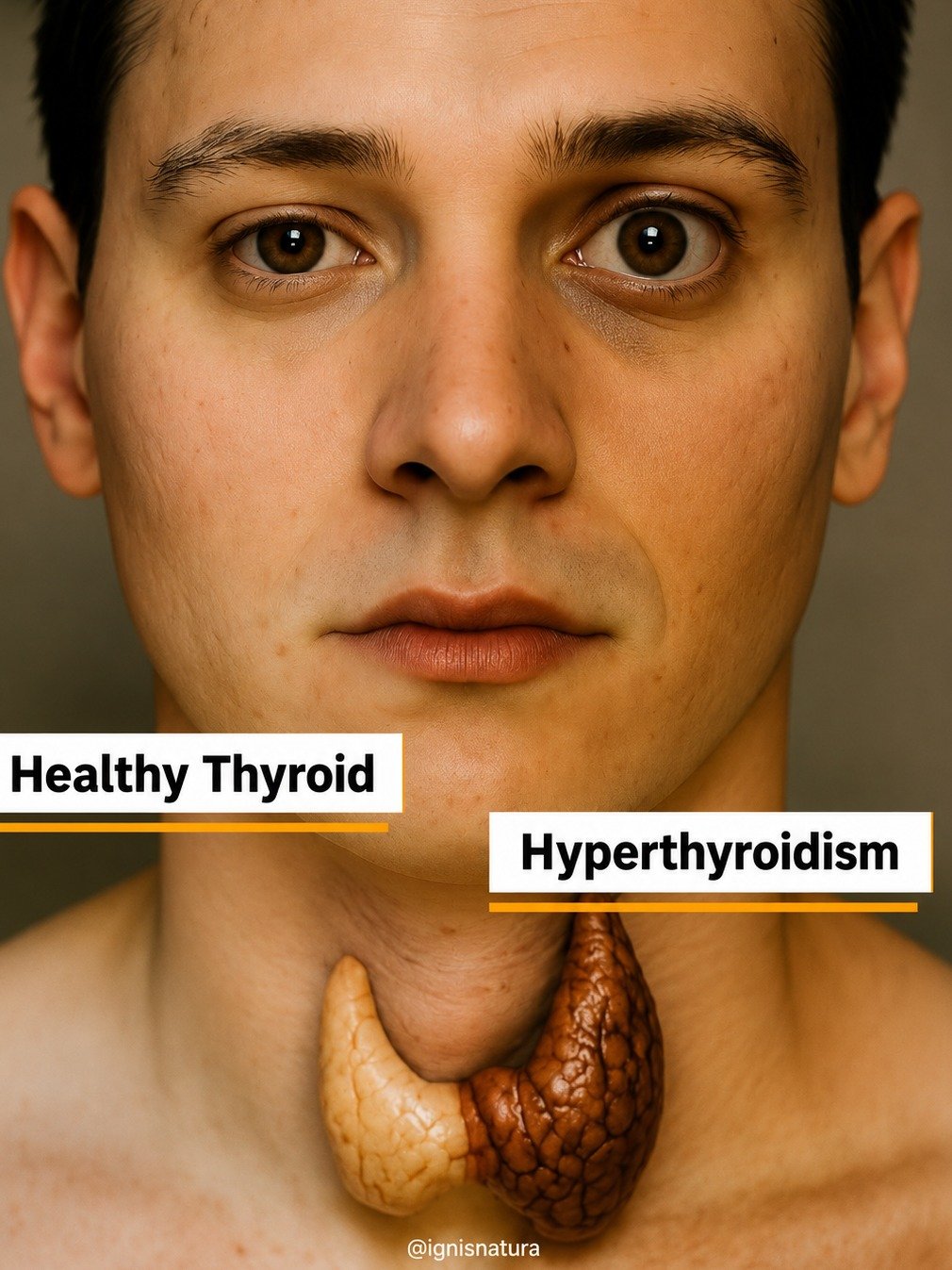
Hyperthyroidism is a medical condition that arises when your thyroid gland starts churning out an excessive amount of thyroid hormones. This overproduction causes your body’s metabolism to race at an abnormally high speed, impacting a wide array of vital organs and complex bodily systems.
This accelerated state can manifest either gradually over time or strike quite suddenly, with its severity varying significantly from a mild, barely noticeable issue to a profoundly debilitating condition.
Common Symptoms of Hyperthyroidism
Given that hyperthyroidism propels your metabolism into overdrive, the symptoms it presents are frequently characterized by this heightened activity, and often include:
- Unexplained and often rapid weight loss
- A rapid heartbeat (tachycardia) or noticeable heart palpitations
- Increased nervousness, jitteriness, or persistent anxiety
- Heightened irritability and frequent, unpredictable mood swings
- Excessive and often uncomfortable sweating
- An extreme intolerance to heat, feeling constantly hot
- Noticeable tremors or trembling in the hands
- Persistent fatigue despite increased activity, and general muscle weakness
- Significant difficulty falling or staying asleep (insomnia)
- More frequent bowel movements than usual
In certain instances, particularly when associated with Graves’ disease, individuals may also experience bulging eyes, a distinctive symptom medically referred to as exophthalmos.
Main Causes of Hyperthyroidism
An overactive thyroid can be set off by a variety of underlying conditions, each with its own specific mechanism.
1. Graves’ Disease
This autoimmune disorder stands as the most frequent culprit behind hyperthyroidism. In Graves’ disease, the body’s own immune system mistakenly targets the thyroid, prompting it to produce an uncontrolled excess of hormones.
2. Hyperactive Thyroid Nodules
Sometimes, small growths or lumps, known as nodules, can form within the thyroid gland. These nodules can become autonomously overactive, independently churning out extra thyroid hormones.
3. Excess Iodine Intake
For some sensitive individuals, an excessive intake of iodine, whether from dietary sources, certain medications, or supplements, can inadvertently overstimulate the thyroid gland, leading to hyperthyroidism.
4. Thyroiditis
This condition involves inflammation of the thyroid gland itself. During thyroiditis, the inflamed gland can temporarily leak large quantities of stored thyroid hormones directly into the bloodstream, causing a transient surge.
| Healthy Thyroid | Hyperthyroidism |
|---|---|
| Balanced hormone production | Excess hormone production |
| Stable metabolism | Accelerated metabolism |
| Normal heart rate | Rapid heartbeat |
| Healthy weight maintenance | Unexplained weight loss |
| Steady energy levels | Nervous energy followed by fatigue |
| Emotional balance | Anxiety and irritability |
How Hyperthyroidism Is Diagnosed
If you begin to notice symptoms that suggest a potential thyroid imbalance, your doctor or an endocrinologist will likely recommend specific blood tests to evaluate your thyroid function. These typically include measuring levels of:
- TSH (Thyroid-Stimulating Hormone)
- T3
- T4
A classic indicator of hyperthyroidism is a combination of low TSH levels coupled with elevated levels of both T3 and T4 hormones.
To further confirm the diagnosis and pinpoint the exact cause, additional diagnostic tests might be performed, such as:
- A thyroid ultrasound
- A radioactive iodine uptake test
- A thyroid scan
Why Early Diagnosis Matters
Ignoring or delaying treatment for hyperthyroidism can pave the way for a cascade of severe and potentially life-threatening complications, which include:
- Dangerous heart rhythm problems (arrhythmias)
- Persistently high blood pressure
- Significant bone loss, escalating the risk of osteoporosis
- Profound muscle weakness that can impair daily activities
- Thyroid storm, a rare but extremely dangerous medical emergency that requires immediate intervention
Crucially, receiving prompt diagnosis and initiating early treatment can effectively avert these serious complications and dramatically enhance your overall quality of life.
Treatment Options for Hyperthyroidism
The most suitable course of treatment for hyperthyroidism is highly individualized, depending heavily on the specific cause of the condition and its current level of severity.
Generally, common therapeutic approaches encompass:
- Prescription anti-thyroid medications to reduce hormone production
- Radioactive iodine therapy to shrink the overactive gland
- Beta-blockers to effectively manage and control acute symptoms
- Surgical intervention, such as thyroidectomy, in specific, warranted cases
Only a qualified healthcare professional can accurately assess your situation and formulate the most appropriate and effective treatment plan tailored to your needs.
Tips for Supporting Thyroid Health
While it’s true that not all thyroid conditions are entirely preventable, embracing certain healthy lifestyle habits can significantly contribute to supporting your overall thyroid function and general wellness:
- Maintain a balanced and nutritious diet
- Avoid taking excessive iodine supplements unless explicitly advised by a doctor
- Actively manage and reduce your stress levels
- Engage in regular physical exercise
- Attend routine medical checkups and screenings
- Always seek prompt medical attention for any unexplained or persistent symptoms you experience
Final Thoughts
At its core, the critical distinction between a healthy thyroid and hyperthyroidism lies in the delicate balance of hormones. A healthy thyroid ensures your body operates with seamless efficiency and harmony, while hyperthyroidism throws your metabolism into overdrive, potentially wreaking havoc on both your physical and emotional well-being.
Recognizing the signs early and proactively consulting a trusted healthcare professional can be the pivotal step that makes an immense difference in achieving timely diagnosis, effective treatment, and ultimately, a path toward long-term health and vitality.