 By admin
 What if the secret to boosting your health wasn’t a magic pill, but something as simple as a tiny seed? These miniature powerhouses have taken the wellness world by storm, showing up in everything from your morning smoothie to your evening salad, and are now a staple in nutritious diets globally.
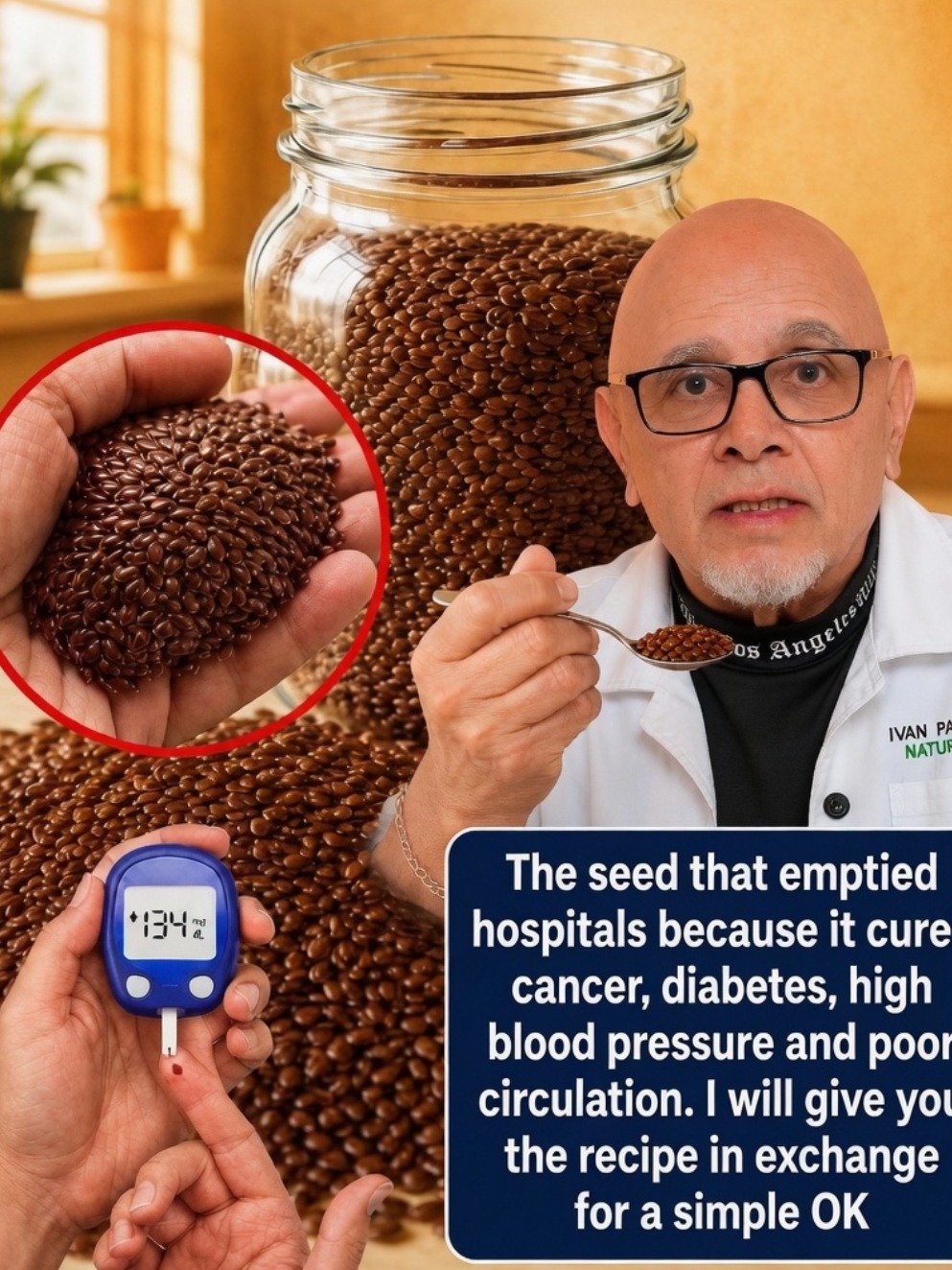
Yet, amidst the viral trends and lofty claims circulating online, it’s absolutely crucial to distinguish genuine scientific facts from mere myths. You might have encountered bold assertions that certain seeds can “kill cancer cells” or miraculously cure severe illnesses. Let’s be clear: current scientific evidence simply does not endorse these sweeping statements.
What research *does* unequivocally confirm, however, is that many seeds are densely packed with valuable nutrients capable of profoundly supporting digestion, fortifying heart health, optimizing metabolism, bolstering immunity, and enhancing your overall wellness. This article will delve into 5 truly powerful seeds, revealing their genuine, science-backed health advantages.
Chia seeds have undeniably become one of the most celebrated healthy seeds in the modern diet. Despite their remarkably tiny stature, they are incredibly dense with nutrients that offer a multitude of benefits to the human body.
Nutrients Found in Chia Seeds
Chia seeds generously provide:
- Essential plant-based omega-3 fatty acids
- Abundant soluble fiber
- Quality plant protein
- Powerful antioxidants
- Vital minerals like calcium and magnesium
Proven Health Benefits of Chia Seeds
Supports Digestive Health
Thanks to their extraordinary fiber content, chia seeds are excellent for improving digestion and effectively preventing constipation. When they come into contact with water, they form a unique gel-like texture that actively promotes healthy and regular bowel movements.
Helps Control Blood Sugar
Emerging studies indicate that incorporating chia seeds into your diet may play a significant role in stabilizing blood glucose levels, a benefit particularly notable for individuals grappling with insulin resistance or type 2 diabetes.
May Reduce LDL Cholesterol
The potent combination of omega-3 fats and dietary fiber present in chia seeds could contribute to a tangible reduction in LDL (often referred to as “bad”) cholesterol levels, thereby fostering superior heart health.
Provides Long-Lasting Energy
Given that chia seeds contain slowly digested carbohydrates alongside healthy fats, they are an excellent source for providing a steady, sustained release of energy that can power you through your entire day.
While chia seeds indeed offer an impressive array of health benefits, it is crucial to reiterate that there is no scientific evidence whatsoever to support claims that they can cure cancer or directly destroy cancer cells.
2. Flaxseed
Flaxseed boasts a rich history, having been revered and utilized for centuries as a natural health food. It is particularly renowned for its exceptionally high concentration of lignans, unique compounds that exhibit both potent antioxidant and beneficial phytoestrogen properties.
Nutrients in Flaxseed
Flaxseed is a treasure trove of:
- Valuable Omega-3 fatty acids
- Dietary fiber
- Powerful lignans
- Essential protein
- A spectrum of vitamins and minerals
Proven Benefits of Flaxseed
Improves Intestinal Health
The remarkably high fiber content inherent in flaxseed is instrumental in promoting robust digestion and ensuring consistent, healthy bowel function.
Supports Hormonal Balance
Certain research initiatives suggest that flaxseed may offer support in regulating hormonal balance, particularly during specific life stages, with observed benefits often highlighted in women.
Helps Reduce Chronic Inflammation
Flaxseed is packed with natural anti-inflammatory compounds that could be effective in mitigating long-term inflammation, which is frequently implicated in the development of various chronic diseases.
Promotes Cardiovascular Health
Extensive research indicates that regular consumption of flaxseed may contribute to lowering blood pressure and enhancing cholesterol profiles, thereby significantly supporting overall heart health.
Flaxseed and Cancer Research
Scientists are actively engaged in studying flaxseed to explore its potential role in the prevention of breast and prostate cancer. However, it is important to note that these studies remain in preliminary stages, and no established medical organization currently endorses flaxseed as a standalone cancer treatment.
3. Pumpkin Seeds
Pumpkin seeds, cherished for their versatility, are a culinary staple, especially prominent in traditional Mexican cuisine where they enhance dishes like mole and pipián. Beyond their delicious flavor, they are remarkably nutritious and brimming with vital minerals.
Nutrients Found in Pumpkin Seeds
Pumpkin seeds are a fantastic source of:
- Immune-boosting Zinc
- Beneficial healthy fats
- Protective antioxidants
- Sleep-promoting Tryptophan
- Essential Magnesium
Health Benefits of Pumpkin Seeds
Supports the Immune System
Thanks to their considerable zinc content, pumpkin seeds can play a significant role in bolstering and strengthening your immune function, helping your body defend against illness.
Promotes Prostate Health
A growing body of research suggests that incorporating pumpkin seeds into the diet may offer valuable support for prostate health, a benefit particularly relevant for aging men.
Improves Sleep and Mood
Pumpkin seeds contain tryptophan, an amino acid recognized for its role as a precursor to serotonin, which in turn is linked to improved sleep quality and enhanced emotional well-being.
Helps Manage Cholesterol
The combination of healthy fats and powerful antioxidants found within pumpkin seeds may contribute positively to achieving and maintaining healthier cholesterol levels.
Once again, while pumpkin seeds offer undeniable benefits for general health and wellness, it is crucial to understand that they are not medicines and cannot provide a cure for serious diseases.
4. Poppy Seeds
Poppy seeds, though minuscule in size, are surprisingly nutrient-dense ingredients commonly utilized to add flavor and texture to a wide array of breads, desserts, and cherished traditional recipes.
Nutritional Value of Poppy Seeds
Poppy seeds are particularly rich in:
- Bone-strengthening Calcium
- Vital Iron
- Essential B vitamins
- Beneficial healthy unsaturated fats
Health Benefits of Poppy Seeds
Helps Strengthen Bones
Their impressive calcium content is fundamental in supporting the development and maintenance of strong bones and healthy teeth throughout life.
Supports Cardiovascular Health
The healthy fats found abundantly in poppy seeds can contribute positively to supporting robust heart health and efficient circulation throughout the body.
Supports Energy Production
The B vitamins present in poppy seeds play an indispensable role in the body’s energy metabolism processes and contribute significantly to overall bodily function and vitality.
5. Sesame Seeds
Sesame seeds have been revered and highly valued for their nutritional and medicinal properties in traditional cuisines and natural wellness practices for literally thousands of years across various cultures.
Nutrients in Sesame Seeds
Sesame seeds are packed with:
- Abundant Calcium
- Crucial Iron
- Essential Magnesium
- Important B vitamins
- Healthy fats
- Potent antioxidants
Health Benefits of Sesame Seeds
Promotes Bone Health
As an excellent plant-based source of calcium, sesame seeds are vital for maintaining strong, dense bones and preventing conditions like osteoporosis.
Supports Heart Health
The combination of healthy fats and powerful antioxidants present in sesame seeds may actively help in reducing various cardiovascular risk factors, promoting a healthier heart.
Helps Maintain Efficient Metabolism
The diverse array of nutrients found within sesame seeds contributes significantly to healthy metabolic function, ensuring your body processes energy efficiently and maintains sustained vitality.
What Does Science Say About Seeds and Cancer?
It’s vital to address a critical point with absolute clarity and honesty:
No Seed Can Cure Cancer
Despite popular belief or wishful thinking, there is currently no credible scientific evidence whatsoever to suggest that chia seeds, flaxseed, pumpkin seeds, poppy seeds, sesame seeds, or indeed any other seed, possess the ability to cure, reverse, or completely eliminate cancer. These claims are unfounded.
Nevertheless, extensive research consistently demonstrates that adopting healthy dietary patterns, which can certainly include seeds, may significantly contribute to reducing the risk of developing certain types of cancer.
Healthy Eating Habits Linked to Lower Cancer Risk
Scientific evidence strongly supports the following practices:
- Diets rich in fiber, which are associated with a reduced risk of colon cancer
- Adequate intake of antioxidants to effectively combat oxidative stress
- Reduced consumption of ultra-processed foods and harmful trans fats
- A balanced intake of healthy, plant-based fats
Seeds can certainly contribute positively to these healthy habits, but they must never be considered substitutes for professional medical treatment.
Cancer Treatments Supported by Science
When faced with a cancer diagnosis, professional medical treatment is not just important, it is absolutely essential. Approved and scientifically validated cancer treatments include:
- Chemotherapy
- Radiation therapy
- Surgery
- Immunotherapy
- Other evidence-based oncology treatments tailored to individual needs
The most effective approach, widely accepted and supported by medical science, involves combining expert professional medical care with proper, nourishing nutrition to help strengthen the body during the demanding processes of treatment and subsequent recovery.
Final Thoughts
To conclude, chia, flaxseed, pumpkin, poppy, and sesame seeds stand out as exceptionally nutritious superfoods that can genuinely bolster your overall health when thoughtfully integrated into a well-balanced diet. They deliver an impressive array of fiber, potent antioxidants, beneficial healthy fats, essential vitamins, and crucial minerals, all contributing positively to digestion, cardiovascular vitality, immune strength, and metabolic efficiency.
While these tiny powerhouses are undeniably valuable additions to any healthy eating regimen, it is imperative to understand that they are not, and should never be considered, miracle cures or substitutes for professional medical treatment.
The true, enduring power of seeds resides in their capacity to support long-term wellness and enhance health as a foundational component of a holistic lifestyle — one that is firmly rooted in scientific understanding, balanced nutrition, and comprehensive care.