 By admin
 What if a drug could make cancer disappear completely, without chemotherapy or surgery? Early clinical trials for an experimental cancer treatment called dostarlimab are delivering results so remarkable, they’re grabbing headlines worldwide and offering a glimpse into a future many thought impossible. While these findings are undeniably promising, medical experts are quick to emphasize that more extensive, large-scale studies are crucial before we can truly understand its full potential and applicability beyond a specific patient group.
Known commercially as Jemperli, this innovative therapy functions as an immunotherapy, actively empowering the body’s own immune system to identify and eliminate malignant cancer cells with greater precision. Groundbreaking data unveiled at prominent oncology conferences has recently confirmed that a subset of patients undergoing this treatment experienced an astonishing outcome: the complete eradication of all detectable tumors.
What Is Dostarlimab?
At its core, dostarlimab operates as a PD-1 inhibitor immunotherapy. Its mechanism involves disabling a specific protein that cancerous cells frequently exploit to evade detection by the body’s immune system. By effectively dismantling this ‘shield,’ the drug allows the body’s inherent defense mechanisms to recognize and launch a more potent assault against the tumor.
This powerful medication has already secured vital regulatory approvals for treating particular cancer types, notably certain variations of endometrial cancer. Currently, an intense focus of research is exploring its promising application in colorectal and rectal cancers that exhibit distinct genetic markers.
Why Are Scientists Excited?
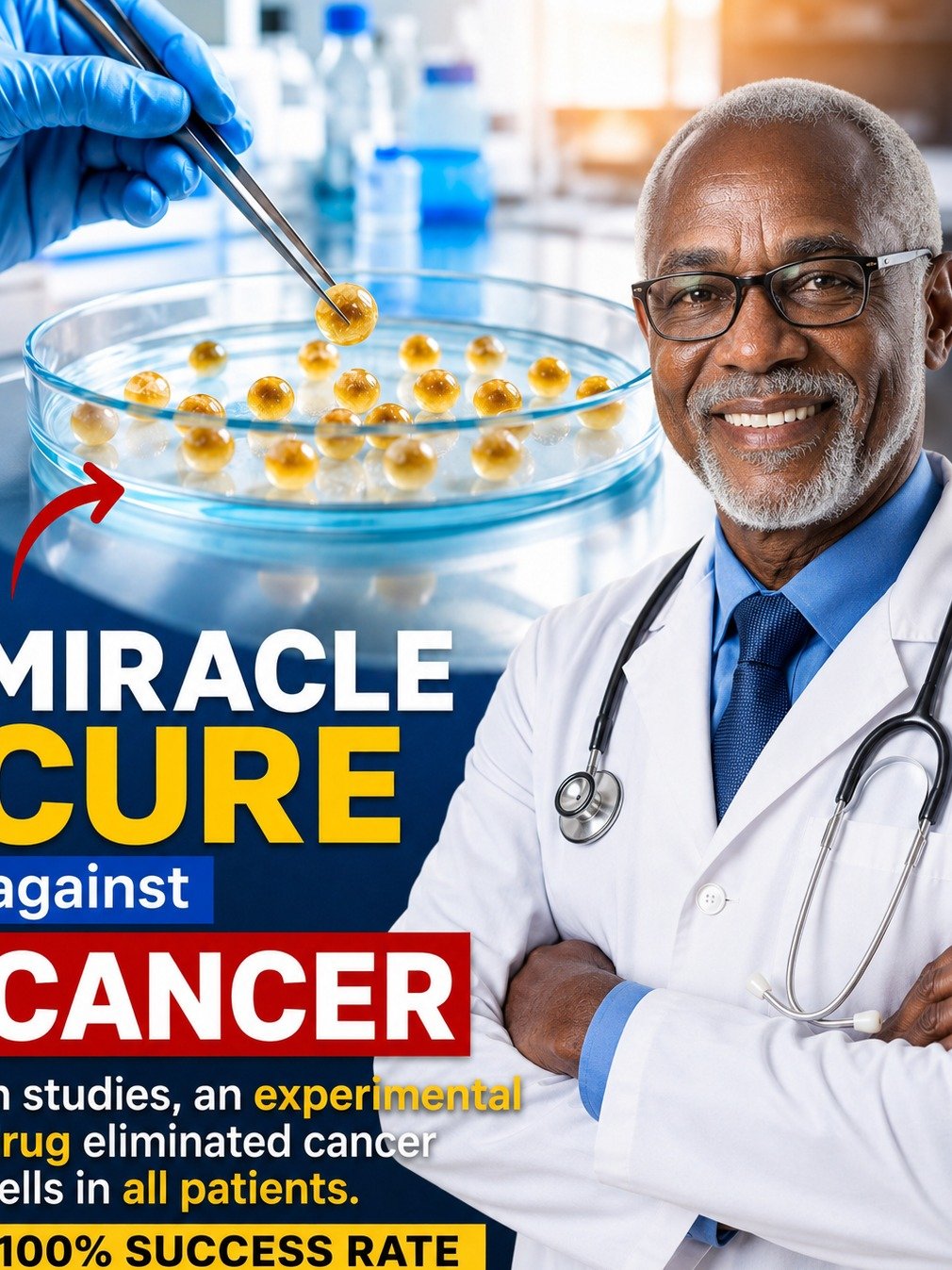
The profound enthusiasm stems from a pivotal Phase II clinical trial focusing on individuals diagnosed with locally advanced mismatch repair deficient (dMMR) rectal cancer. As per updated results unveiled in 2024, an astounding 100% of the 42 patients who completed the full treatment regimen achieved a clinical complete response. This means that, through comprehensive scans, endoscopic procedures, and physical examinations, medical professionals were unable to detect any remaining signs of cancer.
Crucially, many participants in the study were able to bypass the arduous and often debilitating conventional treatments like chemotherapy, radiation, and invasive surgery – procedures infamous for their significant long-term side effects impacting vital bowel, urinary, and sexual functions. Researchers are hailing this as a potential paradigm shift, envisioning a future where the treatment landscape for specific cancers is fundamentally transformed.
Important Context: This Is Not a Cure for All Cancers
While online headlines have certainly been dramatic, scientists are issuing a vital caution: this treatment, as it stands, demonstrates its most profound efficacy exclusively in cancers possessing a distinct genetic mutation, specifically designated as dMMR/MSI-H. It’s imperative to understand that these particular cancers represent only a fraction of all colorectal and rectal cancer diagnoses.
Medical experts also emphasize that:
- The current trial size remains quite limited.
- Patients are still undergoing crucial long-term monitoring.
- These remarkable outcomes might not translate to all forms of cancer.
- Extensive Phase III studies are essential before broad clinical integration.
Furthermore, various online platforms have seen lively discussions addressing the concern of sensationalized, often misleading, headlines proclaiming a ‘100% cure for cancer.’ Experts and informed community members alike have been diligent in clarifying that these groundbreaking results are specifically applicable to a highly defined subset of patients.
Could This Change Cancer Treatment Forever?
A significant number of oncologists are already hailing this study as one of the most impactful recent breakthroughs within the realm of precision immunotherapy. Should subsequent trials consistently replicate these robust outcomes, dostarlimab holds the immense potential to spare countless patients from the burdens of invasive surgeries and highly toxic traditional cancer treatments.
Experts at the renowned Memorial Sloan Kettering Cancer Center have articulated a clear vision: the ultimate objective extends beyond merely eradicating tumors; it is equally vital to safeguard and enhance patients’ overall quality of life throughout their treatment journey.
In a testament to its potential, the U.S. FDA has already bestowed Breakthrough Therapy Designation upon this innovative therapy for specific rectal cancer instances. This designation is a crucial accelerant, designed to fast-track both the development and regulatory review processes, bringing promising treatments to patients sooner.
Potential Side Effects and Risks
As with many immunotherapy medications, dostarlimab carries the possibility of side effects stemming from its potent activation of the immune system. Among the commonly reported adverse reactions are:
- Fatigue
- Skin reactions
- Thyroid problems
- Fever
- Liver inflammation
While a significant number of patients generally tolerate immunotherapy quite well, medical professionals consistently underscore that all treatment decisions must be meticulously individualized and conducted under the strict supervision of highly specialized oncology teams.
The Bottom Line
The initial findings concerning dostarlimab are nothing short of extraordinary, igniting a powerful new beacon of hope for certain cancer patients. Yet, in the face of such groundbreaking data, scientists maintain a stance of cautious optimism, refraining from proclaiming a universal cure at this stage.
The true significance of this breakthrough extends far beyond mere tumor response rates; it lies in the revolutionary prospect of treating particular cancers without the need for invasive surgery, debilitating chemotherapy, or damaging radiation. As more extensive clinical trials progress, the global medical community will be intently observing whether these truly remarkable outcomes can be successfully replicated on a much wider scale.
For the present moment, one consensus stands firm among experts: this experimental therapy undeniably stands as one of the most profoundly promising advancements to emerge in contemporary cancer immunotherapy research.
Sources
- GSK – Official Clinical Trial Update on Dostarlimab (Jemperli)
https://www.gsk.com/en-gb/media/press-releases/jemperli-dostarlimab-trial-continues-to-show-unprecedented-results/ - GSK – FDA Breakthrough Therapy Designation
https://www.gsk.com/en-gb/media/press-releases/jemperli-dostarlimab-receives-us-fda-breakthrough-therapy-designation-for-locally-advanced-dmmrmsi-h-rectal-cancer/ - ScienceDirect – Research on Dostarlimab and Cancer Immunotherapy
https://www.sciencedirect.com/science/article/pii/S1040842824001173 - Euronews – Coverage of the Clinical Trial Results
https://www.euronews.com/health/2024/06/12/rectal-cancer-disappears-in-patients-treated-with-new-drug-in-promising-clinical-trial - The Guardian – NHS and Cancer Drug Developments
https://www.theguardian.com/society/2024/mar/05/drug-that-could-slow-womb-cancer-to-be-rolled-out-by-nhs-in-england - Memorial Sloan Kettering Cancer Center – Cancer Immunotherapy Research
https://www.mskcc.org/ - Reddit Community Discussion About the Trial
https://www.reddit.com/r/EverythingScience/comments/1d8pyhn/100_of_cancers_cured_longterm_in_remarkable_human/