 By admin
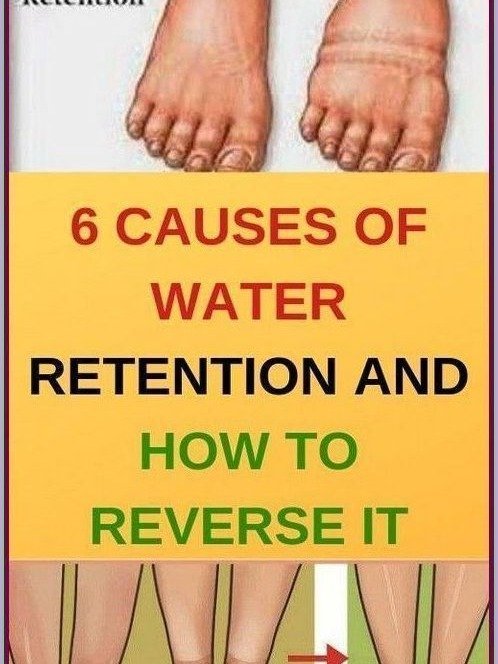
 Ever feel like your rings are too tight, your shoes are pinching, or your legs just look… puffy? You’re not alone. This common and uncomfortable condition, officially known as edema, is caused by excess fluid building up within your body’s tissues, often manifesting as visible swelling in your feet, ankles, legs, hands, or face. It’s a sensation many people recognize after prolonged standing or indulging in less-than-healthy meals.
The truly exciting news is that for many individuals, simply implementing a few straightforward lifestyle adjustments can significantly help in naturally reversing water retention and regaining comfort.
What Is Water Retention?
At its core, water retention is a physiological response where your body accumulates and stores an excessive amount of fluid beyond what is necessary for optimal function. This surplus liquid frequently gravitates towards the legs, feet, and ankles, but can appear elsewhere, resulting in noticeable swelling and an uncomfortable sensation of fullness.
If you’re wondering whether you’re experiencing water retention, keep an eye out for these common symptoms:
- Visibly swollen feet or ankles
- Skin that feels taut or appears unusually puffy
- A persistent sensation of being heavy or bloated
- Jewelry, particularly rings, or footwear feeling uncomfortably snug
- Indentations remaining on your skin after gentle pressure (known as pitting edema)
1. Your Diet is Packed with Excess Sodium
Consuming a diet rich in sodium is a primary driver for your body to retain additional water. Common offenders that are often loaded with hidden salt include ultra-processed foods, fast food meals, crispy chips, many canned soups, and almost all types of salty snacks.
Your Action Plan:
- Significantly cut back on highly processed foods
- Increase your daily water intake
- Prioritize incorporating fresh fruits and vegetables into your meals
2. Insufficient Physical Movement
Prolonged periods of inactivity, whether sitting at a desk or standing for hours, can severely impede your body’s circulation. This sluggish blood flow often leads to fluid pooling in the lower extremities, specifically the legs and feet, resulting in swelling.
How to Combat It:
- Incorporate a brisk walk into your daily routine
- Perform regular stretching exercises to encourage blood flow
- Elevate your legs above your heart whenever you are resting
3. Inadequate Water Intake
It might seem counterintuitive, but failing to consume sufficient amounts of water can actually trigger your body to hold onto more fluid. When dehydrated, your system enters a ‘survival mode,’ attempting to conserve every drop of water it can, which directly contributes to swelling.
The Solution:
- Consistently drink ample amounts of water throughout your entire day
- Incorporate hydrating, water-rich foods such as crisp cucumber and juicy watermelon into your diet
4. Natural Hormonal Fluctuations
The body’s natural hormonal shifts, particularly those experienced during menstrual cycles, pregnancy, or the transition through menopause, can often trigger temporary periods of swelling and a bloated sensation due to fluid retention.
Strategies to Help:
- Minimize your sodium consumption
- Maintain a consistently active lifestyle
- Ensure you are getting adequate, restorative sleep each night
5. Side Effects from Specific Medications
It’s important to be aware that various pharmaceutical drugs can have fluid retention as a known side effect. Medications commonly implicated in contributing to swelling include:
- Prescriptions for managing high blood pressure
- Corticosteroids
- Various hormonal replacement therapies or contraceptives
- Certain types of antidepressant medications
Important Advice:
It is absolutely crucial to never discontinue any prescribed medication without first consulting with a qualified medical professional. If you experience significant or bothersome swelling, it’s essential to discuss these concerns with your healthcare provider for personalized guidance.
6. Potential Underlying Health Issues
While often benign, ongoing or unexplained water retention can occasionally be a symptom of more serious health conditions. It may be indicative of underlying issues such as:
- Impaired kidney function
- Various heart-related conditions
- Liver disease
- Compromised circulatory system issues
When to See a Doctor:
It is crucial to promptly seek professional medical attention if you experience swelling that appears suddenly, is accompanied by pain, or persists despite lifestyle adjustments.
Simple, Natural Strategies to Help Reverse Water Retention
Boost Your Intake of Potassium-Rich Foods
Potassium plays a vital role in maintaining a healthy fluid balance by counteracting the effects of sodium within your body.
Some of the best natural sources of potassium include:
- Delicious bananas
- Creamy avocados
- Nutrient-dense spinach
- Wholesome sweet potatoes
Engage in Regular Physical Activity
Consistent physical movement is incredibly effective at boosting your circulation and actively assisting your body’s lymphatic system in naturally flushing out any accumulated excess fluid.
Excellent low-impact activities to consider include:
- Brisk walking
- Refreshing swimming
- Enjoyable cycling
- Gentle, invigorating stretching routines
Minimize Your Consumption of Processed Foods
A significant amount of processed foods are notorious for containing surprisingly high levels of hidden sodium, a key ingredient that directly contributes to uncomfortable bloating and unwanted swelling throughout the body.
Instead, make an effort to emphasize and prioritize:
- Plenty of fresh, vibrant vegetables
- Wholesome lean proteins
- Nutritious whole grains
Incorporate Natural Diuretic Foods
Certain natural foods possess diuretic properties, meaning they can gently encourage your body to excrete excess water, helping to reduce fluid retention:
- Crisp cucumber
- Zesty lemon
- Fresh parsley
- Hydrating watermelon
- Soothing ginger tea
Prioritize Quality Sleep
Inadequate or restless sleep can significantly impact your body’s hormonal balance and circulatory efficiency, both of which are crucial factors that can contribute directly to increased fluid retention.
To support a healthy fluid balance, strive for:
- A consistent 7–9 hours of high-quality, uninterrupted sleep every night
When Is It Time to Consult a Doctor?
While many cases of water retention are manageable with lifestyle changes, it’s vital to contact a healthcare provider without delay if you notice any of the following concerning symptoms:
- The sudden onset of swelling
- Experiencing shortness of breath
- Any sensation of chest pain
- Extremely severe or rapidly worsening leg swelling
- Swelling that is localized to only one leg
These specific symptoms could potentially indicate a more serious or urgent underlying medical condition that requires immediate professional evaluation.
Key Takeaways
Ultimately, water retention is a prevalent issue that is frequently tied to dietary choices, lack of physical movement, or general lifestyle patterns. By consciously cutting down on sodium intake, consistently staying active, ensuring adequate hydration, and embracing a diet rich in whole, healthy foods, a significant number of individuals can experience a noticeable reduction in swelling and a marked improvement in their overall physical comfort.
Remember, even seemingly small, consistent daily habits possess immense power in assisting your body to naturally regulate and maintain a healthy, optimal fluid balance.