 By admin
 Do your rings feel tighter than usual? Are your ankles looking a bit puffy, or do your favorite shoes suddenly feel snug? If you’ve ever experienced that uncomfortable sensation of being ‘bloated’ or ‘swollen,’ you’re not alone – and your body might be holding onto excess fluid, a condition known as edema.
The excellent news is that for many individuals, these uncomfortable symptoms of fluid retention can often be significantly alleviated through straightforward, natural lifestyle adjustments.
What Is Water Retention?
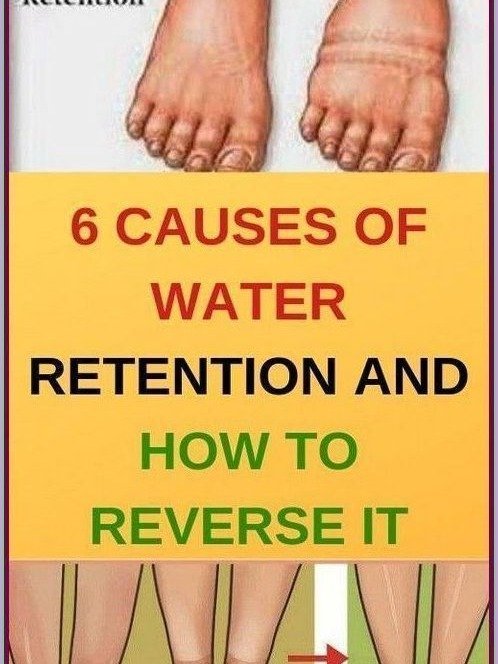
At its core, water retention is simply your body accumulating and storing excess fluid within its tissues, rather than properly flushing it out. This surplus fluid often gravitates to areas like the legs, feet, ankles, or even the face and hands, resulting in noticeable swelling and an overall feeling of discomfort.
You might recognize water retention by these common indicators:
- Swollen feet or ankles
- Puffy skin
- Feeling heavy or bloated
- Tight rings or shoes
- Skin indentations after pressing
1. Your Diet is Packed with Excess Sodium
Consuming an abundance of sodium-rich foods is a primary driver of your body holding onto additional water. Think beyond the salt shaker – highly processed foods, convenience meals, fast food, crispy snacks, and even many canned soups are notorious for their hidden, high sodium content, making them significant contributors to fluid retention.
What to Do:
- Reduce processed foods
- Drink more water
- Choose fresh fruits and vegetables
2. You’re Not Moving Enough (Sedentary Lifestyle)
Prolonged periods of inactivity, whether from sitting at a desk all day or standing for extended hours, significantly impede proper circulation. This sluggish blood flow allows fluid to pool and accumulate in the lower extremities, particularly in the legs and feet.
What to Do:
- Walk daily
- Stretch regularly
- Elevate your legs when resting
3. You’re Not Drinking Enough Water
This might sound counterintuitive, but a surprising cause of water retention is actually *under-hydration*. When your body perceives a lack of incoming fluids, it goes into “survival mode,” clinging desperately to every drop of water it has, leading to unwanted swelling.
What to Do:
- Drink enough water throughout the day
- Eat water-rich foods like cucumber and watermelon
4. Fluctuating Hormones
The intricate dance of hormones within your body can significantly influence fluid balance. Major hormonal shifts, such as those experienced during a woman’s menstrual cycle, pregnancy, or the transition into menopause, are common culprits behind temporary swelling and that familiar bloated feeling.
What to Do:
- Reduce sodium intake
- Stay active
- Get enough sleep
5. Side Effects from Medications
It’s important to be aware that some prescription and over-the-counter medications can have fluid retention as an unwelcome side effect. These may include:
- Blood pressure medications
- Steroids
- Hormonal treatments
- Some antidepressants
What to Do:
Under no circumstances should you ever discontinue any prescribed medications without first consulting your doctor. If you suspect your medication is causing significant or severe swelling, it’s crucial to discuss this concern with a healthcare professional for guidance and potential adjustments.
6. More Serious Underlying Health Issues
While often benign, persistent or severe water retention can occasionally be a warning sign of more serious underlying health concerns, such as:
- Kidney problems
- Heart conditions
- Liver disease
- Circulation issues
What to Do:
It is imperative to seek prompt medical attention if you experience swelling that is sudden in onset, accompanied by pain, or remains persistent despite lifestyle changes. These symptoms warrant immediate professional evaluation.
Empowering Natural Strategies to Combat Water Retention
Boost Your Intake of Potassium-Rich Foods
Potassium plays a crucial role in maintaining your body’s delicate fluid balance by counteracting and helping to regulate excessive sodium levels.
Incorporate these excellent sources into your diet:
- Bananas
- Avocados
- Spinach
- Sweet potatoes
Make Regular Exercise a Priority
Engaging in consistent physical activity is a powerful tool against water retention. Movement not only significantly enhances your overall circulation but also actively assists your body in efficiently flushing out any accumulated excess fluid.
Consider these effective activities:
- Walking
- Swimming
- Cycling
- Light stretching
Drastically Cut Down on Processed Foods
A significant amount of processed foods are insidious sources of hidden sodium, a major contributor to uncomfortable bloating and visible swelling. Minimizing these foods is key to managing fluid balance.
Instead, prioritize:
- Fresh vegetables
- Lean proteins
- Whole grains
Incorporate Natural Diuretic Foods
Certain natural foods possess diuretic properties, meaning they can gently encourage your body to expel excess water and reduce swelling:
- Cucumber
- Lemon
- Parsley
- Watermelon
- Ginger tea
Prioritize Quality Sleep
The quality of your sleep plays a far greater role than you might imagine in your body’s fluid regulation. Insufficient or poor-quality sleep can disrupt hormone balance and impair circulation, both of which are significant factors contributing to unwanted fluid retention.
Aim for:
- 7–9 hours of quality sleep nightly
When to Consult a Healthcare Professional
While many cases of water retention are manageable at home, it’s crucial to seek immediate medical advice if you encounter any of the following symptoms:
- Sudden swelling
- Shortness of breath
- Chest pain
- Severe leg swelling
- Swelling in only one leg
Ignoring these particular symptoms could be dangerous, as they might indicate a more serious underlying medical condition requiring urgent attention.
Key Takeaways
Ultimately, experiencing water retention is a widespread issue, frequently stemming from dietary choices, insufficient physical activity, or other daily lifestyle patterns. The good news is that by consciously reducing sodium intake, committing to regular physical activity, ensuring adequate hydration, and opting for a diet rich in whole, healthy foods, a significant number of individuals can achieve noticeable reductions in swelling and enjoy a much-improved sense of comfort and well-being.
Remember, even minor, consistent adjustments to your daily routine can yield profound benefits, empowering your body to naturally maintain its optimal fluid balance and leave you feeling lighter and more energetic.