 By admin
Ever wonder what’s truly behind that persistent bad breath or annoying scratch in your throat? You might be harboring tiny, calcified secrets known as tonsil stones, or tonsilloliths – and they’re far more common than you think! While generally not dangerous, these hardened deposits can lead to embarrassing bad breath, uncomfortable throat irritation, difficulty swallowing, and a frustrating sense of something being ‘off’ in your mouth.
Often developing without much fanfare, many individuals remain unaware of their presence until noticeable symptoms emerge, or they spot those tell-tale white or yellowish specks nestled in the back of their throat.
This comprehensive guide will illuminate exactly what tonsil stones are, explore the reasons they form, outline their common symptoms, present safe and effective removal techniques, and highlight crucial precautions to protect your delicate tonsil tissue.
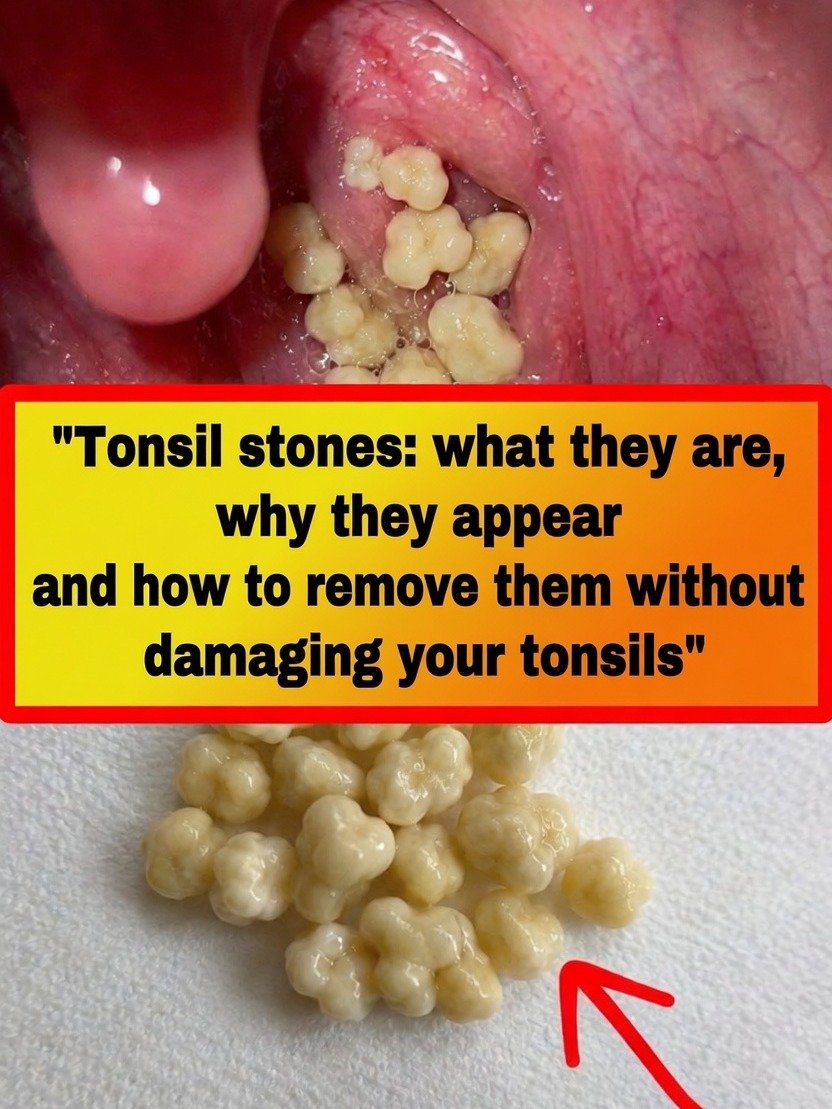
Tonsil stones are essentially tiny, calcified accumulations that develop within the small pockets or indentations found on your tonsils, known as tonsil crypts. These deposits are a mixture of various trapped materials, which can include:
- Food particles
- Dead cells
- Mucus
- Bacteria
- Saliva minerals
Over time, this collected organic matter undergoes a hardening process, transforming into the distinct small white or yellowish stones you might observe. (my.clevelandclinic.org)
Why Do Tonsil Stones Form?
Tonsil stones primarily arise when various debris gets lodged within the intricate tonsil crypts and isn’t naturally flushed away by saliva or swallowing.
Several contributing factors can elevate your susceptibility to developing these formations, such as:
- Chronic tonsillitis
- Suboptimal oral hygiene practices
- Naturally large or deep tonsil crypts
- Excessive mucus production
- Recurring throat infections
- Persistent postnasal drip (healthline.com)
It’s worth noting that bacteria can thrive within this trapped material, often leading to localized inflammation and the distinctive, unpleasant odor associated with tonsil stones.
Recognizing the Common Symptoms of Tonsil Stones
Interestingly, some individuals might have tonsil stones without experiencing any noticeable symptoms, particularly when the stones are very small or few in number.
However, as these stones grow larger or become more numerous, they frequently trigger a range of uncomfortable signs.
Typical Symptoms Often Include:
- Persistent and often severe bad breath (halitosis)
- Throat soreness or irritation
- Perceived difficulty or discomfort when swallowing
- A sensation of something being lodged or stuck in the throat
- Referred ear pain
- Visible white or yellow spots directly on the tonsils
- A metallic or generally unpleasant taste lingering in the mouth (medicalnewstoday.com)
One of the most frequently reported and distressing symptoms is undeniably bad breath. This occurs because the bacteria within the tonsil stones produce volatile sulfur compounds, which are responsible for creating powerful, offensive odors. (healthline.com)
Are Tonsil Stones Dangerous to Your Health?
For the vast majority of individuals, tonsil stones pose no significant health danger. Nevertheless, their presence can certainly lead to considerable discomfort and, in some instances, may contribute to recurring throat irritation or even repeated infections. (my.clevelandclinic.org)
It’s important to note that particularly large or deeply embedded stones might necessitate a professional removal procedure performed by a qualified healthcare provider.
Your Guide to Safely Removing Tonsil Stones
1. The Power of Gargling With Salt Water
A simple warm saltwater gargle can be incredibly effective in helping to dislodge smaller tonsil stones while simultaneously soothing any associated throat irritation.
Crafting Your Simple Saltwater Gargle:
- Combine 1 cup of warm water
- With 1/2 teaspoon of salt
Gently gargle this solution several times throughout your day.
Beyond physical dislodgement, saltwater also possesses properties that can help reduce bacterial presence and noticeably improve breath odor. (healthline.com)
2. Employing Gentle Coughing Techniques
Surprisingly, small tonsil stones can sometimes become naturally dislodged through the simple act of coughing or intentionally clearing your throat.
However, it’s crucial to avoid any aggressive or forceful coughing that could potentially irritate your throat further.
3. Cautious Oral Irrigation
Some individuals find success using a low-pressure oral irrigator or water flosser. When used with extreme care, these devices can help gently dislodge tonsil stones.
Crucial Important Safety Notes:
- Always use the absolute lowest pressure setting available.
- Exercise extreme caution to avoid directly injuring the delicate tonsil tissue.
- Discontinue use immediately if you experience any pain or observe bleeding.
Remember, high-pressure devices carry a significant risk of damaging the sensitive tissues in your throat, so gentle application is paramount. (medicalnewstoday.com)
4. Cotton Swab Removal – Proceed With Extreme Caution
While some people successfully and gently remove visible tonsil stones using a cotton swab, this method requires utmost care.
Healthcare professionals specifically advise against pushing too deeply or aggressively, as such actions can potentially lead to:
- Unwanted bleeding
- Triggering an infection
- Causing damage to the tonsil tissue
- Inadvertently pushing the stones further into the crypts (my.clevelandclinic.org)
Should you choose to attempt this method, ensure you use only the gentlest pressure possible and utilize excellent lighting to clearly see what you’re doing.
5. Seeking Professional Medical Removal
If your tonsil stones are particularly large, causing significant pain, or are a persistent, recurring issue, it is highly recommended to consult an ear, nose, and throat (ENT) specialist. These experts can safely remove the stones using specialized instruments or procedures tailored to your specific situation. (medicalnewstoday.com)
Strategies to Help Prevent Tonsil Stones
Adopting excellent oral hygiene habits and consistent throat care can significantly reduce the likelihood of tonsil stone formation in the first place.
Helpful Prevention Tips Include:
- Brushing your teeth thoroughly twice a day
- Flossing your teeth on a regular basis
- Regularly cleaning your tongue to remove bacteria
- Gargling with water or mouthwash after meals
- Maintaining good hydration throughout the day
- Actively treating any underlying sinus issues or postnasal drip
- Completely avoiding smoking and tobacco products (healthline.com)
By minimizing bacteria and preventing debris from getting trapped, you can significantly lower your chances of experiencing recurrent tonsil stones.
When Is It Time to See a Doctor?
It is crucial to seek prompt medical attention if you begin to experience any of the following symptoms:
- Severe or escalating pain
- Noticeable swelling in the throat area
- Fever
- Difficulty breathing or persistent choking sensation
- Frequent or recurrent throat infections
- Any unexplained bleeding from the throat
- The presence of large, painful, or persistent tonsil stones
These particular symptoms could be indicative of a more serious underlying throat condition that definitely requires a professional medical evaluation and appropriate treatment.
Can Tonsil Stones Really Come Back?
Unfortunately, yes, tonsil stones can and often do recur. Some individuals are particularly prone to experiencing repeat occurrences, especially if they possess naturally deep tonsil crypts or suffer from chronic throat inflammation.
In more severe or persistent recurrent cases, healthcare providers might discuss advanced treatment options, which could include procedures like tonsil crypt reduction or, in certain situations, tonsil removal surgery (tonsillectomy).
Final Thoughts
Tonsil stones are incredibly common calcified deposits that form when various debris becomes trapped within the tonsils. While usually benign, their presence can significantly impact daily life by causing embarrassing bad breath, persistent throat irritation, and general discomfort.
For mild cases, implementing gentle oral hygiene practices, regular saltwater gargles, staying well-hydrated, and carefully attempting removal methods can be effective and safe. However, it’s paramount to remember that aggressive or forceful removal attempts should always be avoided, as they carry a high risk of damaging the delicate tonsil tissues.
If tonsil stones become painful, prove to be persistent, or recur frequently, seeking a professional medical evaluation is undoubtedly the safest and most reliable path to securing proper treatment and achieving long-term relief.