 By admin
 Creatinine is more than a lab result—it is an important warning signal.
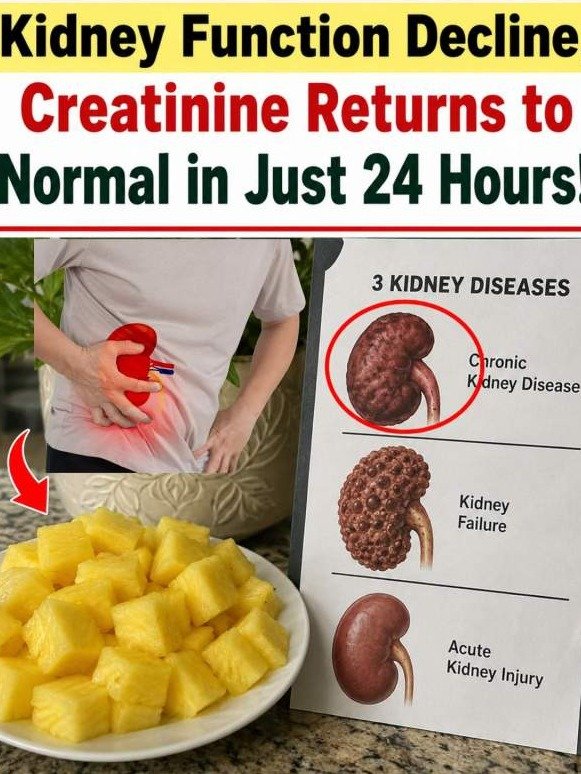
That bright yellow pineapple in the screenshot is not simply a decorative food image. It is often connected online with kidney function decline and elevated creatinine, but the reality is more nuanced: pineapple may contribute fluids, vitamin C, and plant compounds to the diet, yet there is no reliable evidence that it can directly “flush out” creatinine or restore impaired kidney function.
The sharp, sweet taste of pineapple can certainly make a meal feel refreshing. Inside the body, however, it does not act like a pressure washer for the kidneys or unclog a damaged filtration system. Kidney filtration depends on the underlying cause of disease, blood pressure, hydration, medications, and overall health—not on one fruit alone.
That distinction matters when the kidneys are already under strain. Creatinine is a waste product measured in the blood, and a rising level can signal reduced filtration, although hydration, muscle mass, medications, and other factors can also affect the result. Understanding what pineapple can realistically contribute—and what requires medical evaluation—is where the meaningful conversation begins.
Why the body can feel heavy when kidney function declines
When kidney function decreases, the body may have more difficulty balancing fluid, electrolytes, and waste products. Some people experience swelling, fatigue, changes in urination, nausea, or shortness of breath, while others have few noticeable symptoms at all.
That is why morning puffiness, ankle swelling, or unusual tiredness should not automatically be blamed on a poor diet or a single food. These symptoms can have many causes, including heart or liver conditions, medication effects, high sodium intake, poor sleep, and kidney disease. A blood test and urine test are far more informative than appearance alone.
The important truth is that someone can look completely well while kidney disease is developing quietly. Pineapple can be part of a balanced eating pattern for many people, but it should not be presented as a treatment for kidney disease, high creatinine, or fluid retention. Anyone with abnormal kidney results needs individualized advice from a qualified healthcare professional.
The mechanism that deserves a more accurate explanation
Rather than calling pineapple a “Drainage Reset,” it is more accurate to view it as one possible source of nutrients within a kidney-conscious diet. Pineapple does not repair damaged kidney tissue or force creatinine back to normal. Kidney health is supported by addressing the cause of reduced filtration and following a treatment plan tailored to the individual.
Think of the kidneys less like a household drain and more like a highly regulated filtration and balance system. If that system is affected by diabetes, high blood pressure, infection, obstruction, autoimmune disease, or medication toxicity, adding more fluid or fruit cannot remove the underlying problem. The right response may involve medication changes, blood pressure control, nutrition guidance, or urgent treatment.
Pineapple contains water, fiber, vitamin C, and natural plant compounds, so it may fit comfortably into some meal plans. However, people with chronic kidney disease may need to monitor potassium, phosphorus, fluid, and sugar intake depending on their test results and stage of disease. The same food that suits one person may not suit another.
Simple produce often receives less attention than expensive supplements because it cannot be marketed as a dramatic cure. But that does not mean a pineapple spear is a hidden treatment for kidney disease. The most useful dietary changes are usually the sustainable ones: reducing excess sodium, limiting heavily processed foods when advised, controlling blood sugar, and following a clinician’s recommendations.
When fluid balance and blood pressure improve, some people may feel less swollen or fatigued—but those changes should not be used to judge kidney filtration. Only appropriate laboratory testing, including creatinine and estimated glomerular filtration rate, can show whether kidney function has changed.
Why swelling or fatigue may be noticed first
Some people first notice changes such as tighter shoes, rings that feel uncomfortable, or a face that appears puffier in the morning. Others notice reduced energy, changes in appetite, or altered urination. These signs are not specific to kidney disease, but persistent or worsening symptoms deserve medical attention.
That is not merely a cosmetic issue. Swelling can indicate that the body is retaining fluid, but it can also result from venous problems, heart disease, hormonal changes, inflammation, or certain medicines. Replacing medical evaluation with pineapple, juice, or a “kidney cleanse” can delay diagnosis.
Waking up with heavy legs or unusual exhaustion does not prove that waste is trapped in the body. It may reflect poor sleep, anemia, dehydration, infection, medication effects, or a range of other conditions. If these symptoms continue, a healthcare provider can determine which tests and treatments are appropriate.
The meaningful goal is not simply a better-looking number or a temporary feeling of lightness; it is identifying why the result changed and protecting kidney function over time. Pineapple may be included in a suitable meal plan, but it is not a substitute for diagnosis, monitoring, or prescribed treatment.
Why inflammation and underlying disease matter
Inflammation can affect many organs, including the kidneys, but the cause matters. Infection, autoimmune disease, uncontrolled diabetes, high blood pressure, and some medications can injure kidney tissue or reduce filtration. A food with anti-inflammatory nutrients cannot reliably reverse those conditions by itself.
Pineapple contains bromelain and other plant compounds that have been studied for various biological effects. Most research does not establish that eating ordinary portions of pineapple treats chronic kidney disease or lowers creatinine. Laboratory findings and supplement claims should not be confused with proven clinical outcomes.
Some people may feel better after eating more whole fruit because they are replacing salty, ultra-processed foods with a lighter option. That benefit comes from the overall dietary pattern, not from pineapple acting as a cleanser. Anyone with kidney disease should ask whether the portion, potassium content, carbohydrates, and total fluid fit their personal plan.
There is also an important safety issue: supplements and concentrated pineapple products may interact with medicines or provide ingredients in amounts that are inappropriate for people with reduced kidney function. A clinician or renal dietitian can help separate reasonable food choices from risky “detox” products.
Why symptoms may differ from person to person
For many women, the warning sign may be persistent swelling, fatigue, or changes that are initially attributed to hormonal shifts, stress, or bloating. Those explanations may be correct, but they should not automatically rule out kidney, heart, thyroid, or medication-related problems.
Pineapple can add flavor, fiber, and vitamin C to a meal, which may support a generally balanced diet when it fits a person’s nutritional needs. It cannot guarantee a “cleaner internal flush,” and increased urination is not proof that kidney filtration has improved.
If puffiness, breathlessness, sudden weight gain, or reduced urination develops, waiting for fruit to solve the problem is unsafe. Sudden swelling or difficulty breathing can require prompt medical assessment, especially in someone with known kidney disease or heart problems.
Why reduced stamina may be the first concern for some men
For many men, the first noticeable change may be lower stamina, reduced concentration, or persistent tiredness rather than pain. Kidney disease can contribute to fatigue, but so can anemia, sleep disorders, depression, infection, thyroid disease, medication effects, and many other conditions.
When creatinine is elevated, the priority is to confirm the result, review the estimated filtration rate, examine urine findings, and investigate possible causes. Eating pineapple may be acceptable for some people, but it should not be promoted as a way to clear waste efficiently or restore energy.
Think of the body as a complex system rather than an engine that can be fixed by rinsing out one clogged filter. Improving blood pressure, managing diabetes, avoiding unnecessary anti-inflammatory pain medicines, staying appropriately hydrated, and following a personalized care plan can do far more for kidney protection than a single fruit.
The most effective support is not always the most dramatic claim; it is the evidence-based habit that addresses the actual source of kidney stress.
The breakfast habit that can undermine a kidney-conscious diet
Turning pineapple into a sugar-heavy drink, eating large portions, or pairing it with a salty processed breakfast may make the meal less suitable for someone managing diabetes, blood pressure, or chronic kidney disease. Juice also removes much of the fruit’s fiber and can make it easier to consume more sugar quickly.
Keep the serving practical and the overall meal balanced. If you have kidney disease, diabetes, or a fluid or potassium restriction, ask your healthcare professional how pineapple fits into your plan instead of assuming that more is better.
There is no special mineral pairing proven to transform pineapple into a kidney treatment. Claims about combining foods, minerals, or supplements to create an “internal reset” should be approached cautiously, particularly because excessive minerals and herbal products can be dangerous when kidney function is reduced.
This article is for informational purposes only and does not replace professional medical advice. Please consult your healthcare provider for personalized guidance.