 By admin
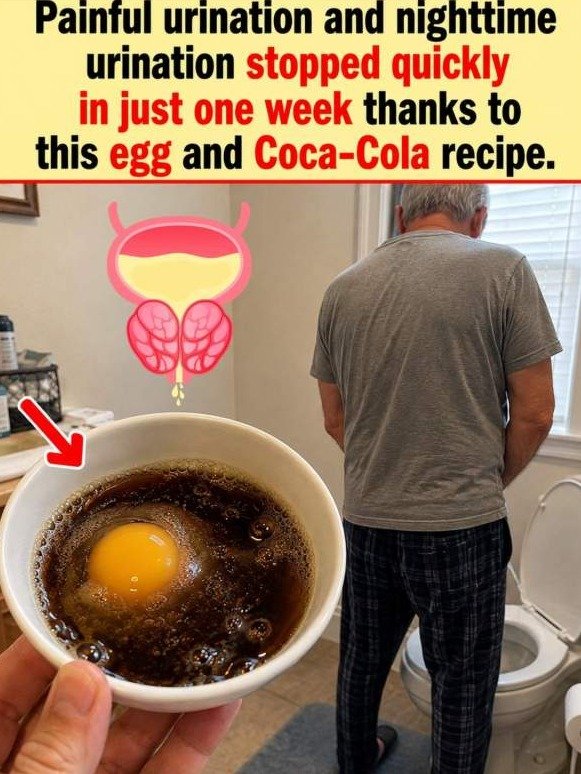
 Eggs and Coca-Cola may seem like an unusual combination, but there is no reliable evidence that mixing them triggers a sudden urinary “shock.” Still, a meal containing protein alongside a sugary, acidic, and often caffeinated drink may feel uncomfortable for some people, particularly if the bladder or urinary tract is already irritated.
The discussion often promises relief from painful urination and the frustrating need to visit the bathroom repeatedly at night. Those symptoms can be linked to many different issues, including bladder irritation, urinary tract infection, an enlarged prostate, medication effects, diabetes, or simply drinking large amounts of fluid late in the day. A weak, interrupted, or burning urinary stream should not automatically be blamed on one food or beverage pairing.
When these symptoms appear, the body may feel anything but normal. It can seem as though the urinary system is working against itself, with urgency, pressure, or discomfort interrupting everyday activities. That is why the egg-and-soda claim attracts attention—but the explanation is more nuanced than a dramatic headline suggests.
What you feel is unlikely to be a mysterious reaction; it may involve bladder sensitivity, fluid intake, caffeine, existing inflammation, or an unrelated medical condition.
The Hidden Factors Behind Urinary Discomfort
Rather than calling it a “Bladder Pressure Reset,” it is more accurate to look at how individual ingredients can affect the body. Eggs provide protein, fats, vitamins, and minerals, while Coca-Cola typically contains sugar, acidity, carbonation, and—depending on the product—caffeine. None of these ingredients has been proven to create a special urinary reaction when mixed with eggs.
For some people, a highly sweetened or caffeinated drink can make bladder symptoms feel worse. Caffeine may increase alertness and urine production in sensitive individuals, while acidic or carbonated drinks may aggravate discomfort for people who already experience bladder irritation. These effects vary considerably and should not be treated as a diagnosis.
Focusing only on the drink can also distract from more important possibilities. Urinary symptoms may involve the bladder, kidneys, urethra, pelvic floor, prostate, hormones, or blood-sugar regulation. If symptoms are persistent, severe, or worsening, a healthcare professional can help identify the actual cause.
In men, the prostate sits around part of the urethra, much like a ring surrounding a hose. When the prostate enlarges, it can narrow the passage and contribute to a weaker stream, hesitation, dribbling, or a feeling that the bladder has not fully emptied.
Nighttime urination can also have several explanations. Lying down may redistribute fluid, while evening beverages, caffeine, sleep disorders, diabetes, or prostate and bladder conditions may increase the need to urinate. Repeatedly waking to use the bathroom deserves attention rather than being dismissed as a simple food reaction.
It is reasonable to question exaggerated health claims that present ordinary foods as miracle solutions or hidden threats. Eggs can be part of a balanced diet for many people, but they are not a proven treatment for urinary problems. Likewise, avoiding Coca-Cola may help someone who notices that caffeine, carbonation, or sugar worsens symptoms, but it cannot replace medical evaluation.
Simple dietary changes are often inexpensive and practical, yet they should be presented honestly. Tracking beverages, limiting caffeine later in the day, avoiding known personal triggers, and maintaining sensible hydration may be useful steps—but they do not explain every case of painful or frequent urination.
The most important clue is often not the food itself but the pattern of symptoms, because urgency, burning, weak flow, blood in the urine, fever, or pain can point to very different conditions.
Why Men May Notice the Change First
Men may recognize urinary changes through a familiar but uncomfortable pattern: needing to go again soon after urinating, waiting for the stream to begin, experiencing reduced flow, or noticing dribbling afterward. These symptoms can occur with benign prostate enlargement, infection, inflammation, or other conditions and should not be attributed automatically to eggs and soda.
Eggs provide useful nutrients and protein, but there is no established evidence that they repair the prostate or reset bladder signals. A sugary or caffeinated drink may make certain symptoms more noticeable in some people, particularly when consumed in large quantities or close to bedtime. Individual responses matter more than dramatic claims about a specific combination.
Imagine waking without pelvic heaviness, urgency, or the exhaustion caused by repeated trips to the bathroom. That improvement is possible when the underlying cause is identified and managed appropriately. For some people, it may involve changing beverages; for others, it may require testing, medication, treatment for infection, or evaluation of prostate and bladder health.
Relief is not simply about changing one meal—it is about understanding what is driving the symptoms.
Women can experience urinary discomfort as well, although the contributing factors and symptom patterns may differ. The next layer of the discussion involves why bladder irritation can feel especially disruptive for them.
Why Women May Experience It Differently
Women may notice urinary irritation as burning, urgency, frequent trips to the bathroom, disrupted sleep, or a persistent feeling that the bladder is unsettled. These symptoms may be caused by a urinary tract infection, bladder sensitivity, hormonal changes, pelvic-floor problems, or other medical issues—not necessarily by a particular meal.
Eggs can supply protein and other nutrients, but describing them as “cellular ammunition” or a treatment for urinary symptoms overstates what the evidence supports. If a person feels better after eating a balanced meal and reducing sugary drinks, the benefit may come from improved overall intake or the removal of a personal trigger rather than a special egg-and-Coca-Cola mechanism.
Fewer nighttime interruptions can make a major difference in energy and mood. However, ongoing urgency, pain, or waking several times each night should be discussed with a healthcare provider, especially when symptoms are new, recurrent, or affecting daily life.
The relevant question is not whether a food sounds “natural” or clever, but how the body responds and whether a medical condition is present. Food choices can support general health, yet they cannot reliably diagnose or cure urinary tract problems.
It may help to think of the bladder as a system that can become more sensitive under certain circumstances. Caffeine, carbonated drinks, acidic beverages, constipation, infection, stress, and concentrated urine may all influence symptoms in different people. A trigger diary can sometimes reveal patterns, but it should complement—not replace—professional care.
That is why one person may feel no effect from Coca-Cola while another notices greater urgency or discomfort after drinking it. The response is personal, and the same symptom can have more than one cause.
Over time, paying attention to beverage timing, hydration, caffeine intake, and symptom patterns may reduce avoidable irritation. Nevertheless, blood in the urine, fever, severe pain, vomiting, inability to urinate, or sudden worsening requires prompt medical attention.
The One Preparation That May Undermine Your Comfort
If someone already notices urinary discomfort after sugary, acidic, caffeinated, or carbonated beverages, pairing eggs with a large serving of Coca-Cola may make the meal feel less comfortable. The issue is not a proven chemical reaction between the two foods; it is more likely the individual’s response to the drink, the total fluid intake, or an underlying condition.
That is the important distinction: the body responds to actual ingredients and physiological factors, not to the marketing story attached to a food combination. A meal cannot be labeled therapeutic simply because it contains protein, and a drink should not be portrayed as causing a urinary emergency without credible evidence.
If urinary symptoms continue, consider recording what you drink, when symptoms appear, how often you urinate, and whether there is pain or a change in urine color. Share that information with a qualified healthcare professional, who can determine whether further testing is needed.
This article is for informational purposes only and does not replace professional medical advice. Please consult your healthcare provider for personalized guidance.