 By admin
 Did you know that viral headlines are trying to trick you into believing plain water is harmful? Claims like “Stop drinking plain water” or “Add this mineral for perfect circulation” are spreading like wildfire, but they’re dangerously misleading. For the vast majority of adults, especially those in their golden years, simple, unadulterated water isn’t just safe – it’s absolutely vital for maintaining your health and vitality.
Why Water Is Essential
Water
This fundamental liquid plays a crucial role in supporting numerous bodily functions, including:
- Smooth blood circulation throughout your system
- Optimal kidney function and waste removal
- Precise regulation of your body temperature
- Efficient digestion and nutrient absorption
- Peak brain function and cognitive clarity
Ignoring your hydration needs, especially as you age, can lead to serious consequences. Dehydration in older adults can manifest as:
- Mental confusion and disorientation
- Persistent fatigue and low energy levels
- Sudden bouts of dizziness or lightheadedness
- Potentially dangerous low blood pressure
- A significantly increased risk of debilitating falls
Do Older Adults Need “Special Water”?
When it comes to daily hydration for most seniors, the answer is clear:
❌ Absolutely no robust scientific evidence exists to suggest that you need to replace plain, regular water with expensive “special mineral mixes” for general health.
That being said, certain minerals are undeniably crucial components of a healthy diet, and their importance should not be overlooked:
Electrolyte
Electrolytes, such as sodium, potassium, and magnesium, play a vital role in nerve and muscle function, as well as maintaining fluid balance. However, the good news is that most individuals typically acquire sufficient electrolytes through their regular, balanced diet.
When Electrolytes Are Actually Needed
While not a daily necessity for everyone, electrolyte-enhanced beverages can indeed prove beneficial in very particular circumstances:
- After severe bouts of vomiting or diarrhea, which can rapidly deplete essential minerals.
- During periods of heavy sweating, such as intense physical exercise or prolonged exposure to extreme heat.
- For individuals with certain medical conditions, but ONLY when advised and supervised by a healthcare professional.
Beyond these specific scenarios, rest assured that humble plain water remains the most effective and entirely sufficient choice for maintaining proper hydration.
The Problem With Viral Claims
❌ Claim: “Plain water is harmful and should be avoided.”
This is unequivocally false. Quite the opposite, pure water stands as the safest, most natural, and absolutely essential beverage for the vast majority of individuals, supporting every bodily process.
❌ Claim: “You absolutely must add special minerals to your water.”
Again, this is a misconception designed to sell products. The reality is that most individuals obtain all the necessary minerals through a balanced and varied diet, making extra additives largely redundant.
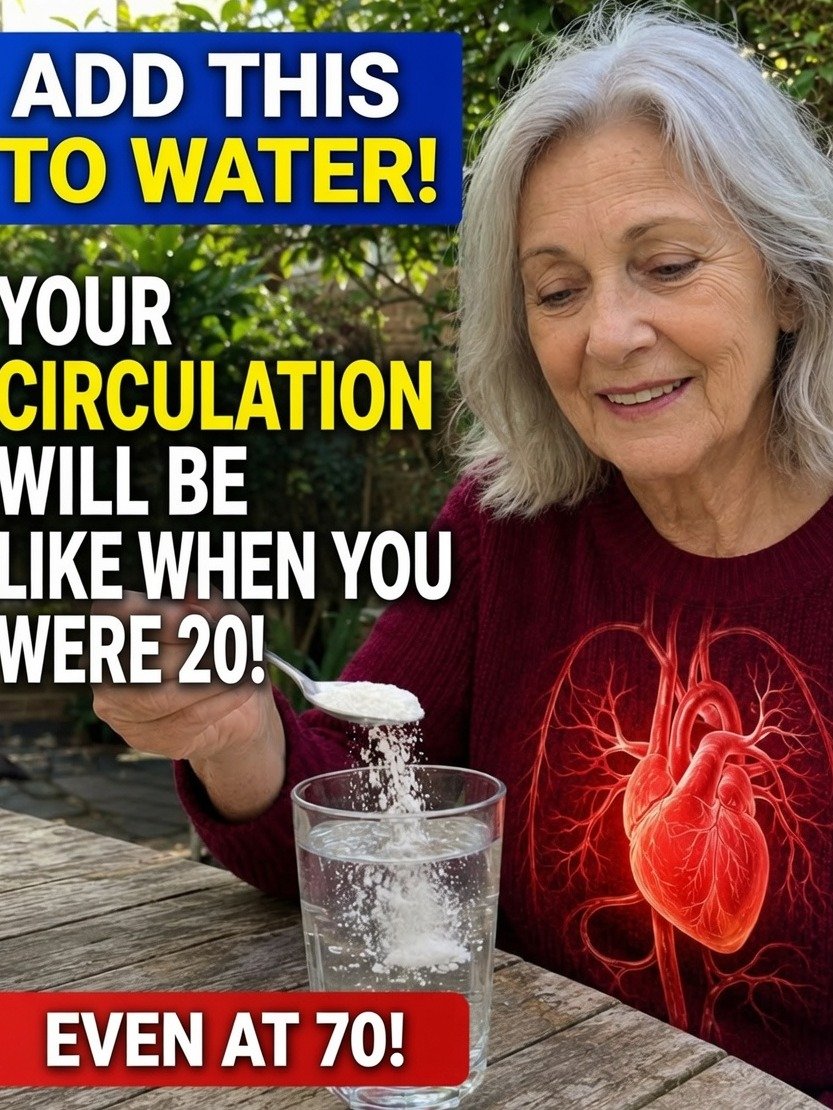
❌ Claim: “Just one special drink can instantly supercharge your circulation.”
Be wary of such overly simplistic promises. Healthy circulation is a complex physiological process influenced by a multitude of factors, including the overall health of your heart, your consistent activity levels, and the management of any chronic medical conditions you may have.
Better Ways to Support Circulation
Rather than getting sidetracked by unnecessary changes to your water intake or falling for quick fixes, direct your energy towards proven strategies for robust circulation:
Consistent Regular Movement
Engaging in activities like daily walking, gentle stretching, and other forms of light, consistent exercise is incredibly effective at boosting overall blood flow and cardiovascular health.
A Nutrient-Rich, Balanced Diet
Ensure your daily meals are packed with essential nutrients. Prioritize incorporating:
Vegetable
Fruit
Fish
Sufficient and Consistent Hydration
Make a conscious effort to sip plain water regularly and consistently throughout every single day, rather than trying to chug it all at once.
Warning Signs of Dehydration
It’s critical for older adults and their caregivers to be vigilant and recognize the early warning signs that indicate potential dehydration:
- A persistently dry mouth or sticky feeling in the mouth.
- Urine that appears darker than usual, indicating concentration.
- Feelings of dizziness or lightheadedness, especially when standing.
- Sudden onset of confusion or cognitive fogginess.
- Unexplained muscle weakness or general lethargy.
Common Myths
❌ Myth: “Plain water is simply insufficient for optimal health.”
Fact: Our bodies have evolved over millennia, and they are exquisitely designed to thrive on plain, unadulterated water as their primary and most effective source of hydration.
❌ Myth: “Adding minerals to your water will magically prevent all circulation problems.”
Fact: This is a dangerous oversimplification. Circulatory issues are incredibly complex, stemming from various underlying health conditions, and almost always necessitate a thorough medical evaluation and personalized treatment plan from a healthcare professional.
❌ Myth: “A single miraculous habit can solve all the challenges of aging.”
Fact: Healthy and graceful aging is a holistic journey, influenced by a synergistic combination of diverse lifestyle factors – including diet, exercise, mental stimulation, and quality sleep – not by relying on one specific drink or a solitary habit.
Final Thoughts
In conclusion, let’s cut through the noise and remember this vital truth: simple, plain water stands as the undisputed champion and most crucial source of hydration for older adults. While electrolyte-fortified drinks certainly have their place in very specific medical or intense physical exertion scenarios, they are unequivocally not a daily requirement for the majority of people. For truly healthy and vibrant aging, your focus should remain firmly on the foundational pillars: a well-balanced and nutritious diet, consistent engagement in regular physical activity, and proactive, appropriate medical care – these are far more impactful than chasing after faddish “special water” concoctions.