 By admin
 What if your body was trying to tell you something vital, but you weren’t listening? Lung cancer stands as one of the globe’s most prevalent and lethal malignancies, often striking silently.
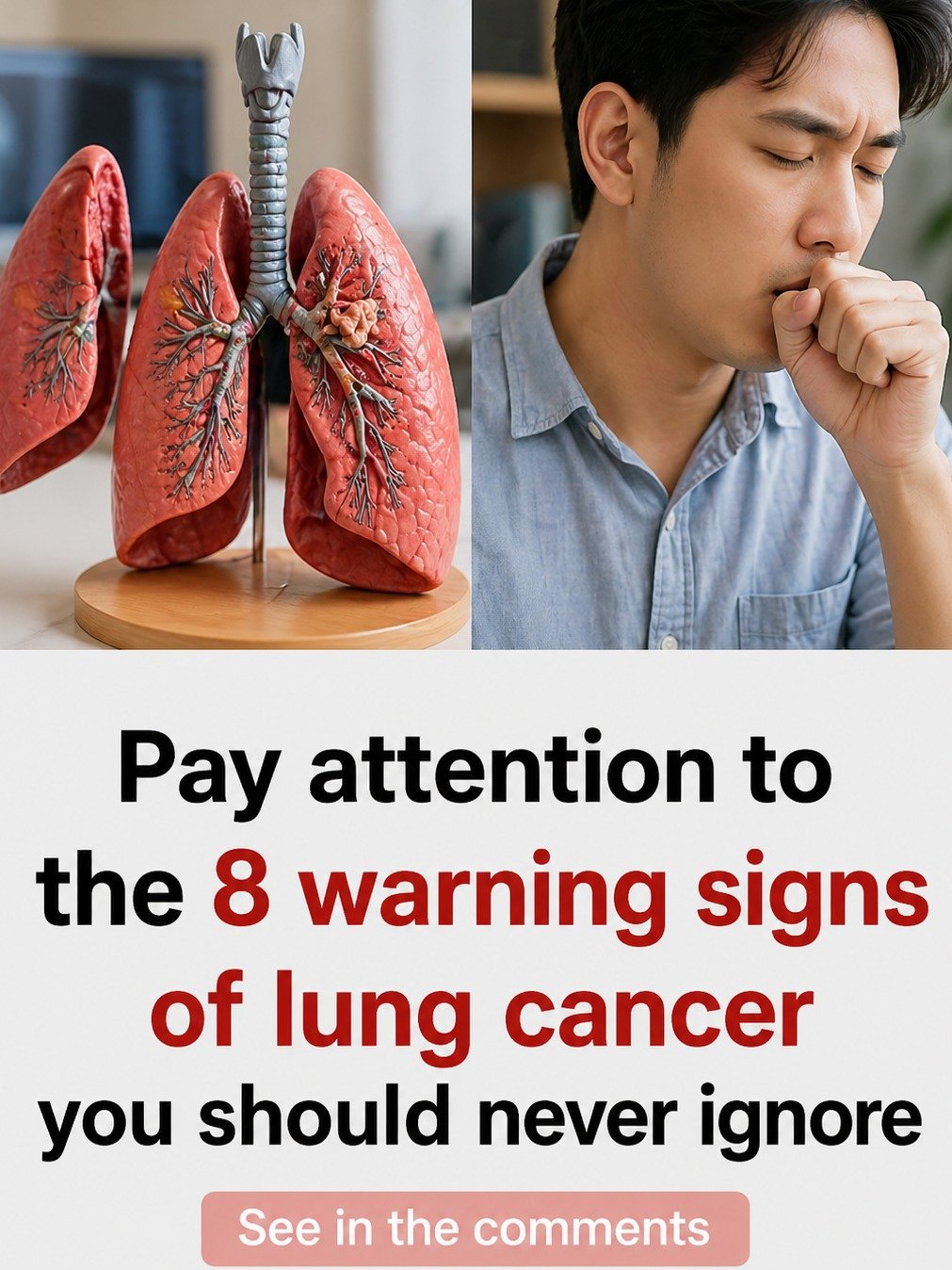
Its formidable danger largely stems from the fact that symptoms frequently emerge only once the disease has already advanced significantly. However, being able to pinpoint these early warning signs could literally be the difference between life and death. Below, we reveal 8 crucial symptoms of lung cancer that demand your immediate attention and absolutely cannot be overlooked.
1. Persistent Cough That Won’t Go Away
That nagging cough you just can’t shake? It might be more than just a cold. A cough that stubbornly persists for weeks or intensifies over time is frequently among the first red flags.
If you start to notice:
- A brand new cough that lasts beyond 2 to 3 weeks
- An existing chronic cough that suddenly changes its familiar sound or becomes more severe
It’s absolutely imperative to seek medical advice without delay. A persistent, unexplained cough remains one of the most frequently reported initial indicators of lung cancer.
2. Shortness of Breath
Are routine tasks suddenly leaving you gasping for air? Experiencing breathlessness during everyday activities, even minor ones, could signal a serious underlying issue within your lungs.
This unsettling symptom can manifest when:
- Your crucial airways become obstructed
- An abnormal accumulation of fluid begins to build up within your chest cavity
As lung function is compromised, shortness of breath frequently emerges as a noticeable and concerning indicator.
3. Coughing Up Blood
Seeing even the slightest trace of blood when you cough is an urgent sign that must never, ever be dismissed.
This alarming symptom might present itself as:
- Mucus that is noticeably streaked with blood
- Phlegm that takes on a distinctive rust-colored hue
Any instance of coughing up blood is unequivocally deemed a critical red flag, demanding prompt and immediate medical evaluation.
4. Chest Pain That Gets Worse
Are you experiencing persistent discomfort in your chest, shoulders, or even your back? This type of pain could potentially be a troubling indicator connected to lung cancer.
This discomfort often:
- Intensifies noticeably when you cough or take deep breaths
- Manifests as a persistent, dull ache that doesn’t subside
As lung cancer advances, chest pain is a commonly reported and concerning symptom that warrants investigation.
5. Unexplained Weight Loss
Have you noticed the numbers on the scale dropping without any effort on your part? Shedding pounds without making any changes to your diet or exercise routine can be a significant red flag for cancer.
Malignancies, including lung cancer, have the ability to disrupt your body’s metabolism and suppress your appetite, often resulting in:
- Unexpected and rapid weight loss
- A noticeable reduction in your desire to eat
This phenomenon of unexplained weight loss is a common companion to lung cancer and numerous other serious health conditions.
6. Constant Fatigue
Are you battling an overwhelming sense of exhaustion that never seems to lift, even after a full night’s sleep? Experiencing perpetual, extreme tiredness could be a critical signal of deeper, underlying health problems.
Fatigue linked to cancer is typically characterized by being:
- Relentless and persistent
- Unrelieved by periods of rest or sleep
This debilitating symptom can profoundly impact your daily life and is certainly not something to simply brush aside.
7. Hoarseness or Voice Changes
Has your voice taken on a new, unfamiliar quality, perhaps a persistent hoarseness? A distinct alteration in your vocal tone could potentially be associated with lung cancer.
This change often occurs when:
- Tumors begin to impact the delicate nerves responsible for controlling your vocal cords
If you find your voice remaining hoarse for a prolonged duration, it is vital to consult a healthcare professional for guidance.
8. Loss of Appetite
Suddenly finding food unappealing, or feeling completely full after just a few bites, can also serve as a crucial warning sign.
This significant shift in appetite might stem from:
- Alterations in your body’s metabolism triggered by cancer
- The overarching effects of general illness and the pervasive fatigue it causes
In individuals with lung cancer, a noticeable loss of appetite frequently appears alongside unexplained weight loss and persistent tiredness.
Why Early Detection Matters
Understanding these symptoms is paramount because lung cancer frequently presents without obvious signs during its initial phases, leading to delayed diagnoses in far too many instances.
However, catching this disease early can dramatically:
- Boost the effectiveness and success rates of available treatments
- Significantly enhance your overall survival prospects
- Minimize potential complications associated with advanced disease
When Should You See a Doctor?
So, when is it time to pick up the phone and call your doctor? You absolutely should seek immediate medical attention if you are experiencing:
- A cough that simply won’t go away
- Unexplained difficulties with your breathing
- Persistent or worsening chest pain
- Any combination of the concerning symptoms listed above
Remember, even if these signs appear subtle or mild, prioritizing an early check-up is always the wisest and safest course of action.
Final Thoughts
It’s easy to dismiss early lung cancer symptoms, mistaking them for benign conditions like a common cold, bronchitis, or other minor infections. Yet, overlooking these vital indicators can tragically postpone a critical diagnosis and delay life-saving treatment.
The message is clear: Pay close attention to your body, trust your instincts, and act promptly. This proactive approach to your health could genuinely be the difference between life and death.