 By admin
 What if everything you thought you knew about a common kitchen ingredient was completely wrong? For decades, lard was demonized, painted as a villain responsible for heart attacks, strokes, and a host of other cardiovascular nightmares, leading millions to banish it from their pantries.
Yet, a quiet revolution is happening in the world of nutrition. Modern research and leading health experts are now challenging these long-held beliefs, revealing a surprising truth: cooking with lard might actually be a far healthier choice than many of the vegetable oils we’ve embraced.
Could it be time to welcome this traditional fat back into your kitchen? Get ready to uncover the compelling facts that are changing minds and kitchens worldwide.
Why Are People Returning to Lard?
Historically, cooking with pork lard held a prominent place in kitchens around the globe, a staple for generations. Its widespread use, however, began to decline as highly processed alternatives like vegetable oils and margarine surged in popularity, fueled by health warnings that are now under intense scrutiny.
Today, those very assumptions are being thoroughly re-evaluated, prompting a significant shift in dietary perspectives.
A key differentiator? Unlike many common vegetable oils that undergo extensive chemical processing to reach your shelf, lard stands out as a natural animal fat, boasting remarkable stability even when stored at room temperature.
Study: Are Vegetable Oils Really Safe?
The safety of vegetable oils has become a major point of contention, with a significant report highlighted by Men’s Health shedding light on potential dangers. Researchers at De Montfort University conducted a groundbreaking study, revealing concerning findings about what happens when certain vegetable oils are exposed to heat.
Key findings:
- When heated to high temperatures, popular oils like sunflower, corn, soybean, and canola were observed to release a startling array of toxic compounds
- These released compounds are not benign; they carry the potential to significantly increase the risk of cancer and contribute to various other serious health issues
- Strikingly, the study found that traditional fats like lard and butter generated substantially fewer harmful substances under the same high-heat conditions
These findings undeniably raise serious questions about the widespread use of everyday cooking oils, particularly when it comes to high-temperature applications like frying.
Nutritional Benefits of Lard
Beyond its stability, lard boasts a surprising array of nutritional benefits that have been largely overlooked by modern diets, making it a powerful addition to your culinary repertoire:
1. No Trans Fats
One of lard’s most compelling attributes is its natural absence of trans fats, those notorious culprits directly implicated in the development of heart disease.
2. Rich in Vitamins and Minerals
It contains:
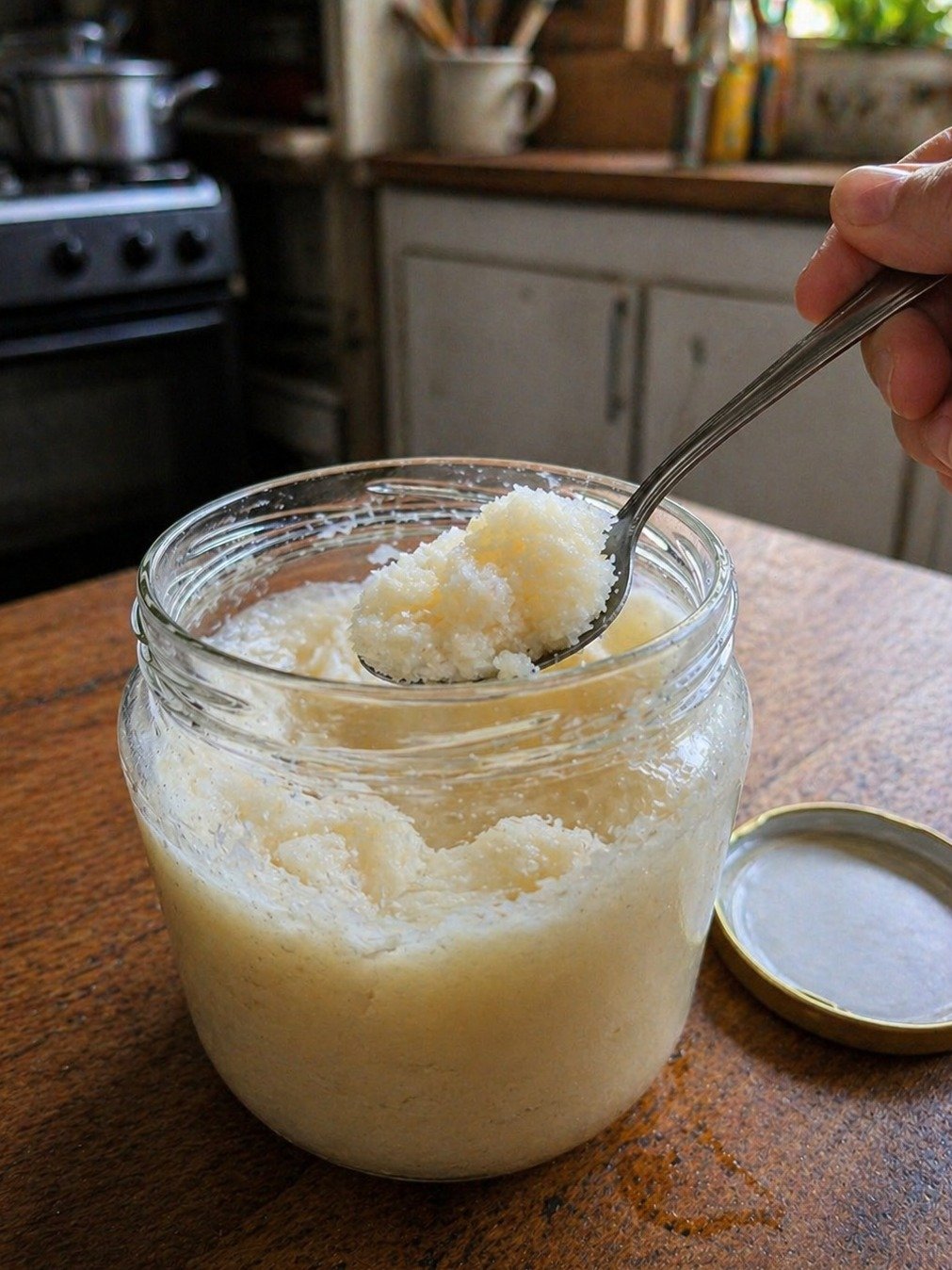
- Essential Vitamins B and C
- Crucial minerals including iron, phosphorus, and calcium
3. Low in Sodium and Carbohydrates
Lard contains:
- Absolutely no sugar
- Zero carbohydrates
- Remarkably low in sodium
These characteristics position it as an especially favorable cooking fat for people with diabetes.
Health Benefits of Lard
✔ Helps Control Cholesterol
Lard contains monounsaturated fats, which:
- Actively work to lower ‘bad’ cholesterol (LDL)
- Simultaneously boost levels of ‘good’ cholesterol (HDL)
Incorporating lard into your diet, when consumed in thoughtful moderation, can significantly contribute to improved cardiovascular well-being.
✔ Antioxidant Properties
Lard has compounds that help fight free radicals, which can:
- Potentially slow down the visible signs of aging
- Contribute to improved skin health
- Enhance the strength and vitality of your hair
✔ Excellent Source of Vitamin D
Lard is naturally rich in vitamin D, which:
- Is crucial for strengthening bones and maintaining skeletal integrity
- Plays a vital role in supporting healthy hormone production
- Is a powerful ally in boosting the immune system’s defenses
✔ May Help Reduce Depression Risk
Lard contains oleic acid and omega-3 fatty acids, which are associated with:
- Aiding in improved cognitive function and overall brain health
- Potentially lowering the risk and alleviating symptoms of depression
Culinary Uses of Lard
Its subtle, neutral flavor profile combined with remarkable versatility makes lard an exceptional and highly sought-after fat for a wide range of culinary applications across diverse cuisines:
- In baking, it creates incredibly flaky pastries, tender breads, and moist cakes, cookies, and pies.
- For frying, it imparts a golden crispness to meats, potatoes, and various snacks, without imparting a heavy taste.
- It remains a cornerstone in countless traditional recipes, cherished for its unique properties.
Beyond its functional uses, lard consistently bestows a luxurious, rich texture and a distinctly enhanced depth of flavor to any dish it graces.
Final Thoughts: Is Lard Healthy or Not?
The journey of lard from kitchen staple to dietary villain and back again is a testament to evolving scientific understanding. While it faced unfair demonization for decades, contemporary research strongly indicates that lard, especially when incorporated thoughtfully, presents itself as a significantly healthier alternative to many highly processed vegetable oils.
It’s crucial to remember, however, that the principle of moderation remains paramount. Just like any dietary fat, consuming lard in excessive quantities can still lead to undesirable health outcomes.
👉 The undeniable takeaway from this scientific re-evaluation is clear:
Opting for natural fats like lard could be a superior choice over processed oils, particularly when it comes to cooking methods involving high heat.